
School Acoustic Insulation: K-13 Spray-Applied Performance for K-12 Gyms, Cafeterias, and Classrooms
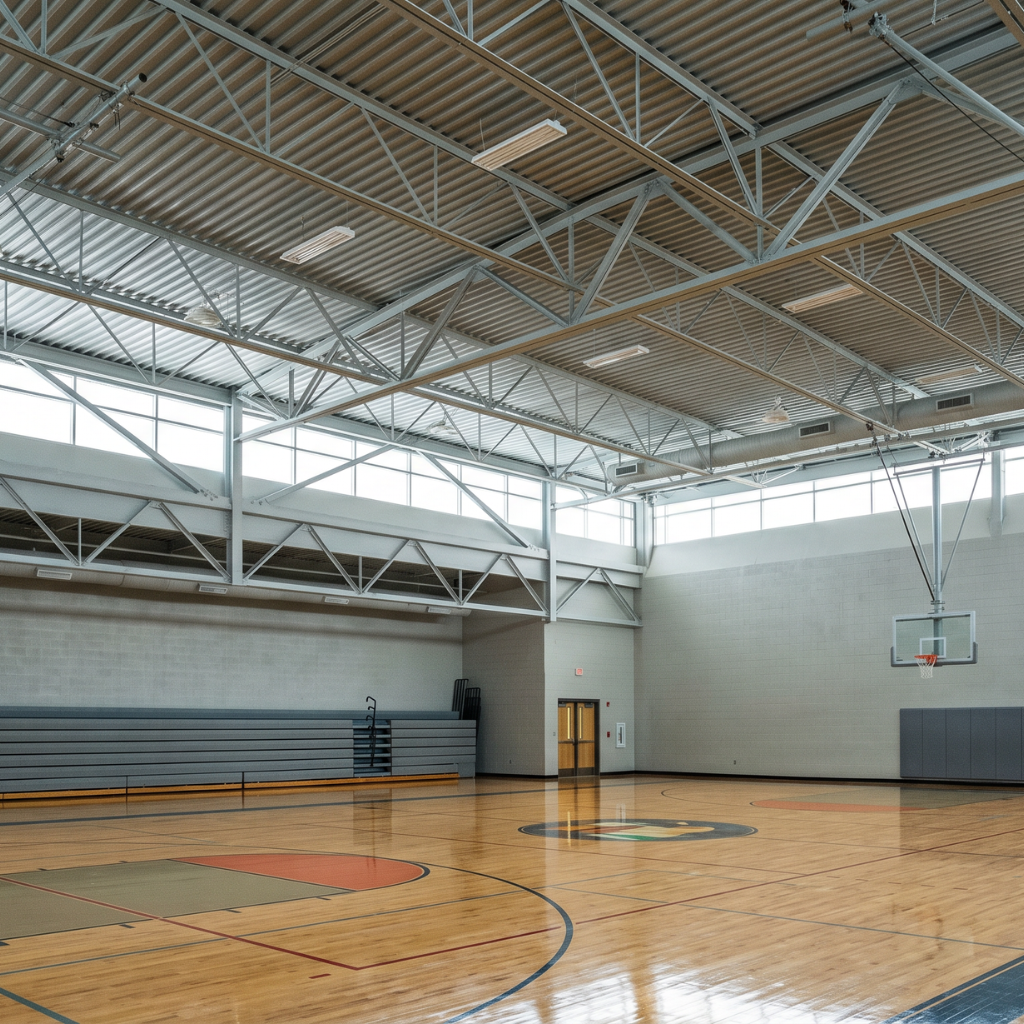
School acoustic insulation is a quieter conversation than school fireproofing, but it determines whether a teacher can hold a fourth-grade class together in a gymnasium that doubles as the cafeteria, or whether a high school PE coach loses her voice by Thursday because the room is bouncing every word back at her three times. K-13 […]
School Fireproofing: K-12 Code Compliance and Steel Protection for Educational Buildings
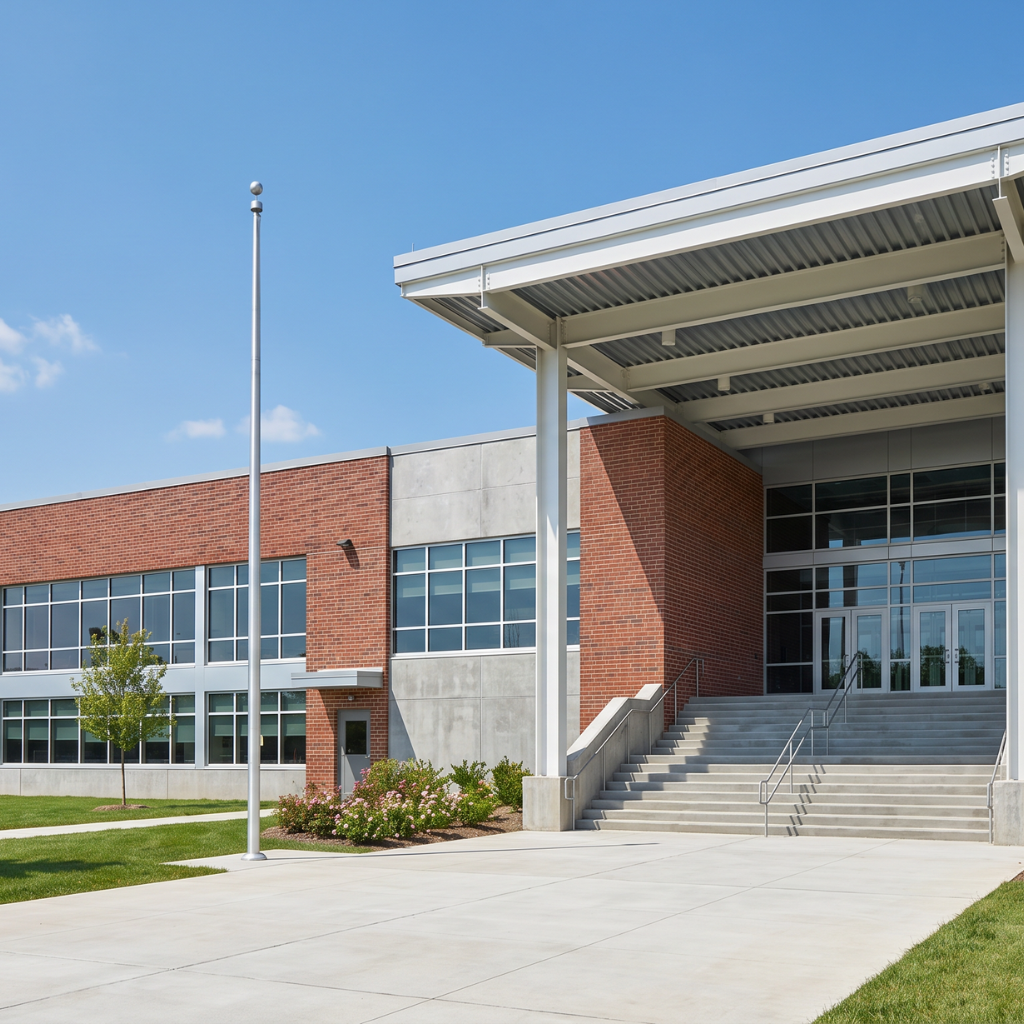
School fireproofing sits at the intersection of two pressures that don’t show up on most other commercial projects: a code section that treats the gym, the cafeteria, and the auditorium differently from how the rest of the world treats assembly spaces, and an occupancy schedule where the building is full of students nine months a […]
Intumescent Fireproofing for Parking Garage Steel: Weather-Resistant Fire Protection
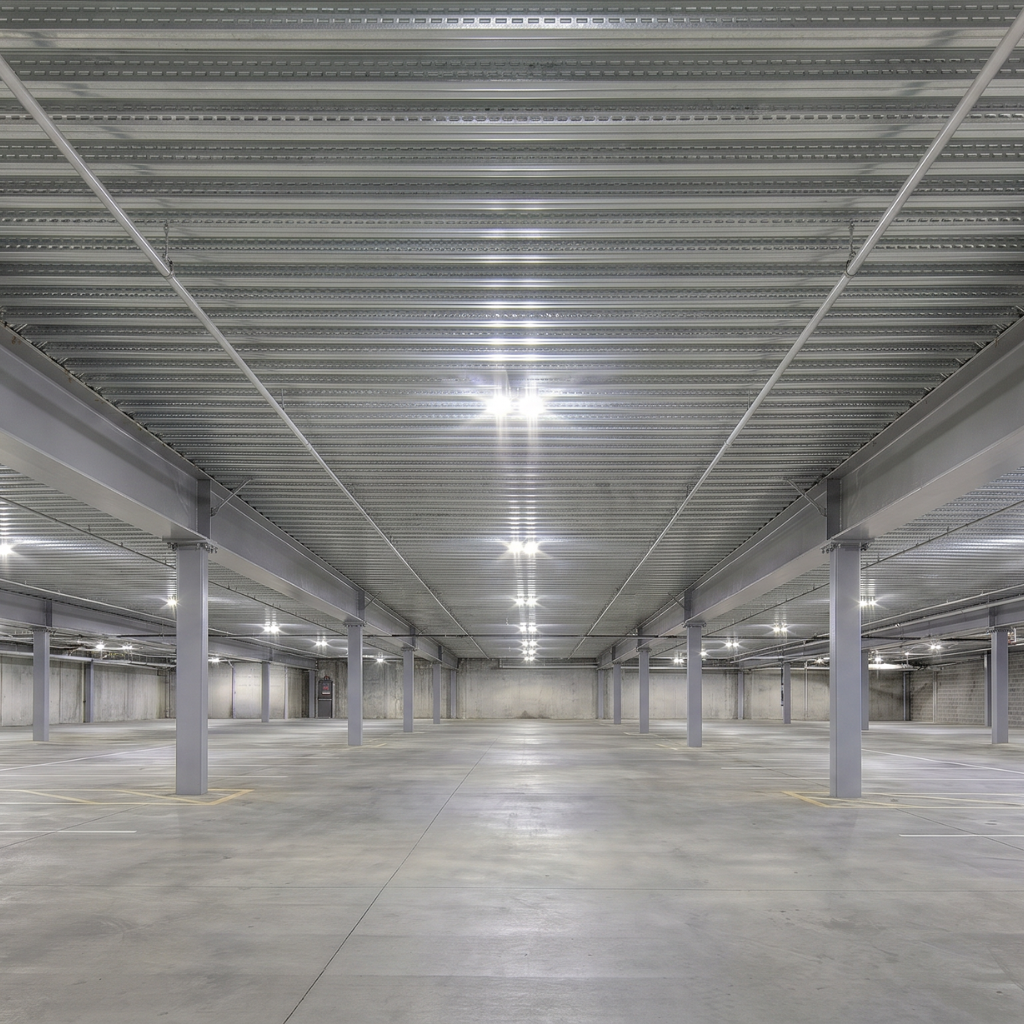
When a project specifies intumescent fireproofing on parking garage steel, the assumption that any commercial intumescent coating will work in that environment is the single most expensive mistake I see on bid documents. A coating that performs beautifully on the exposed columns of a Class A office lobby can fail in eighteen months on the […]
Spray Foam Insulation for Parking Structures: Thermal Protection for Adjacent Spaces
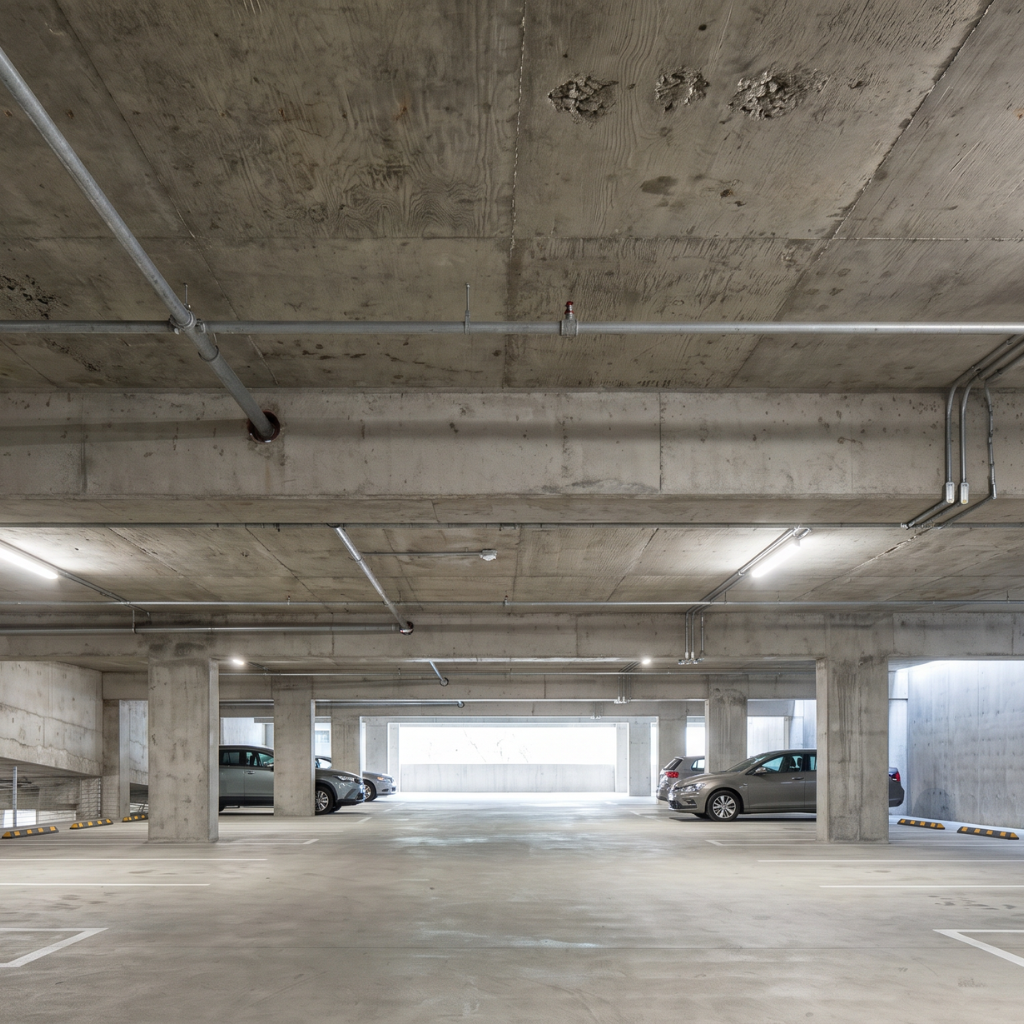
Spray foam insulation in a parking structure is a thermal-control choice, not a fire-protection one. This guide walks general contractors, architects, developers, and facility owners through what closed-cell spray polyurethane foam actually does on a podium deck, what the 2021 International Building Code requires of the assembly around it, and how we approach parking structure […]
How Spray-Applied Fireproofing Is Applied: A Practical Process Guide for GCs
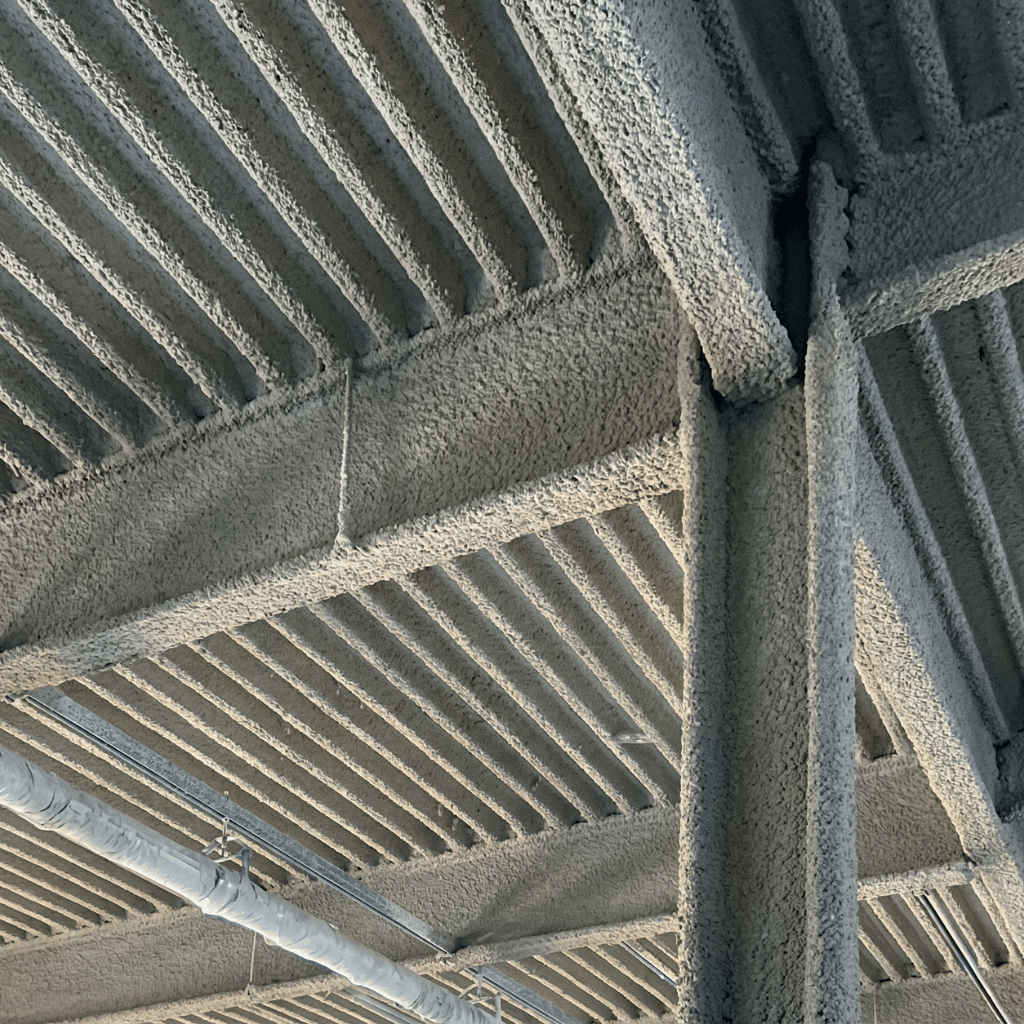
Spray-applied fireproofing looks simple from the outside: mix it, spray it, move on. But every GC who has managed a commercial steel project knows the reality is more complicated. The application sequence, environmental controls, pass thickness limits, and trade coordination behind SFRM determine whether your project passes inspection on the first try or gets shut […]
Closed-Cell vs. Open-Cell Spray Foam for Commercial Buildings: Which One Does Your Project Actually Need?
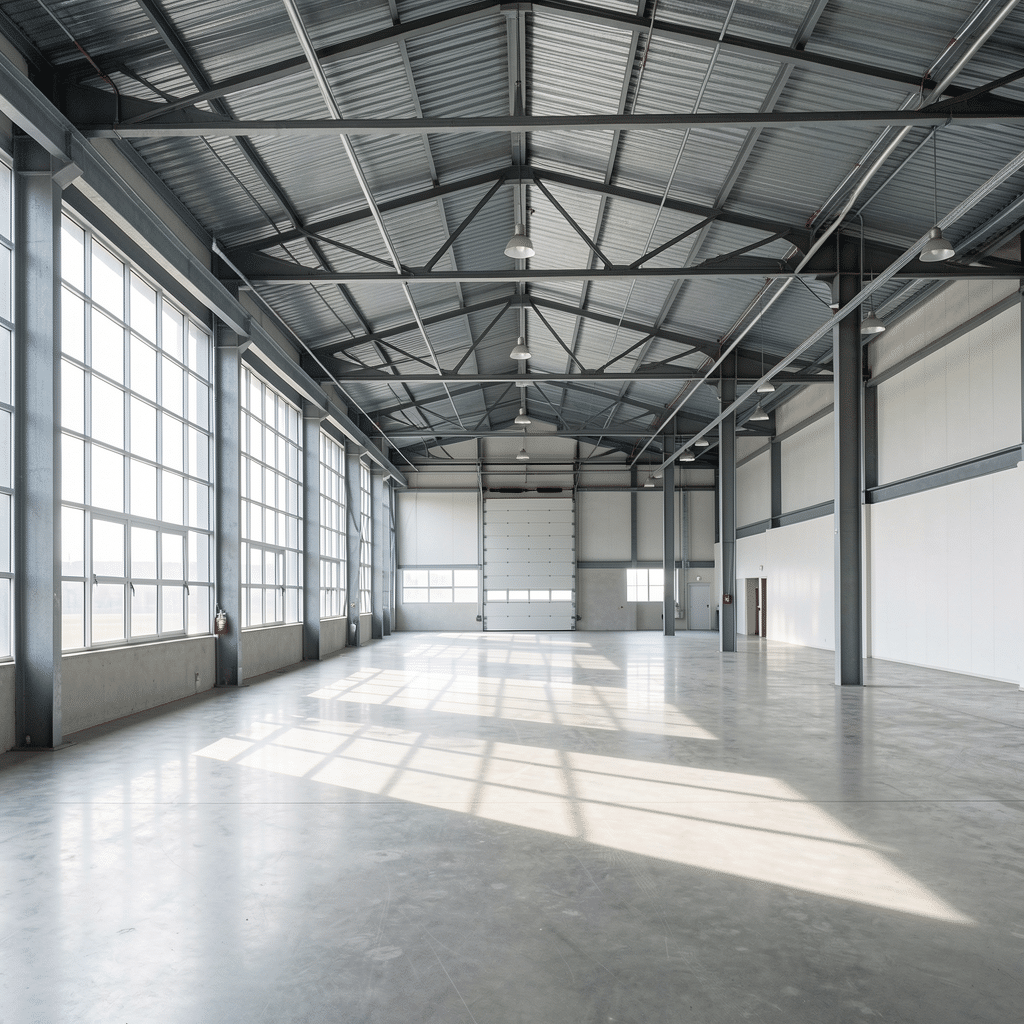
Choosing the wrong spray foam for a commercial building does not just waste money. It creates moisture problems, code compliance failures, and insulation that underperforms for the life of the structure. This guide breaks down exactly where closed-cell and open-cell spray foam belong in commercial construction, what the building code actually requires, and how to […]
Fire Ratings for Structural Steel: 1-Hour to 4-Hour Explained
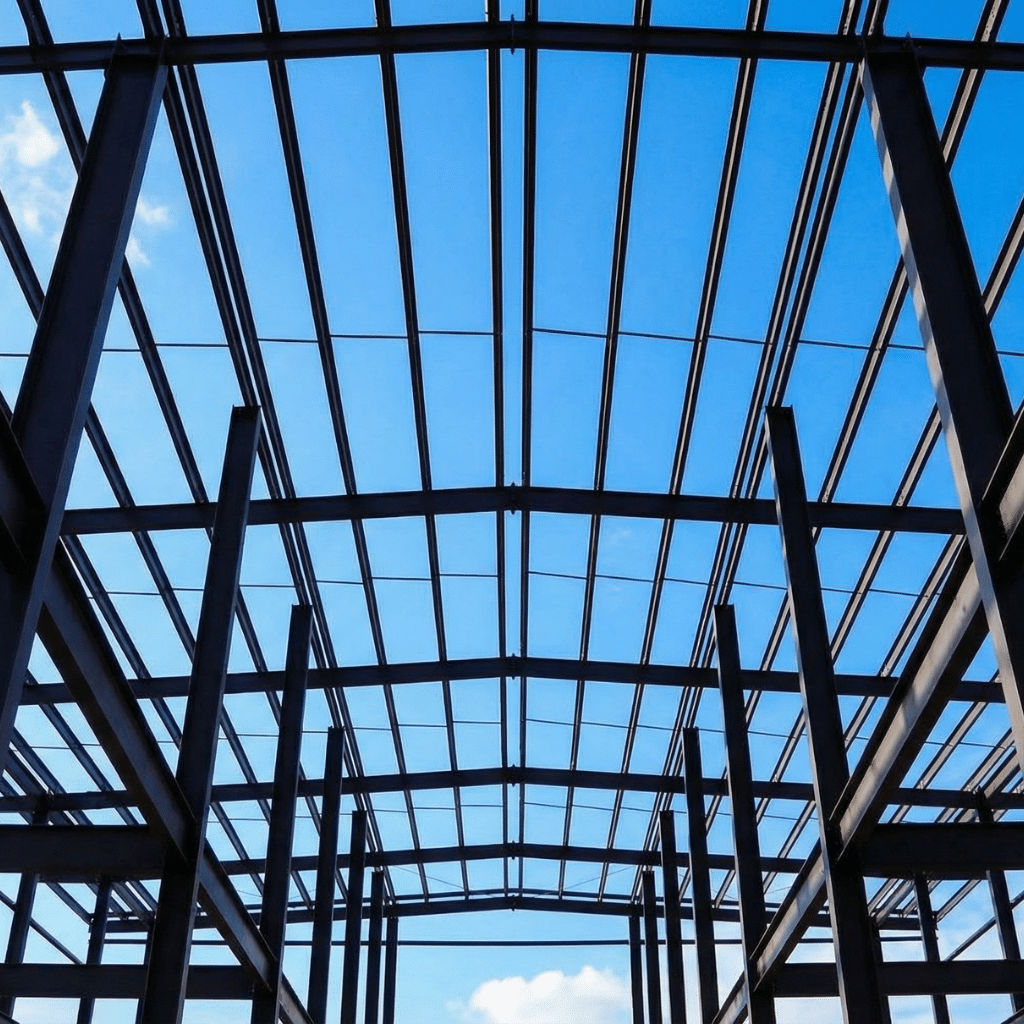
Fire ratings on structural steel is not a guarantee that the steel will survive a fire indefinitely. It is a time-defined performance standard: the number of hours a protected steel assembly maintained structural integrity under standardized furnace conditions per ASTM E119. If you are a general contractor, architect, specifier, or building owner trying to understand […]
Cementitious vs. Intumescent Fireproofing: How to Choose the Right System
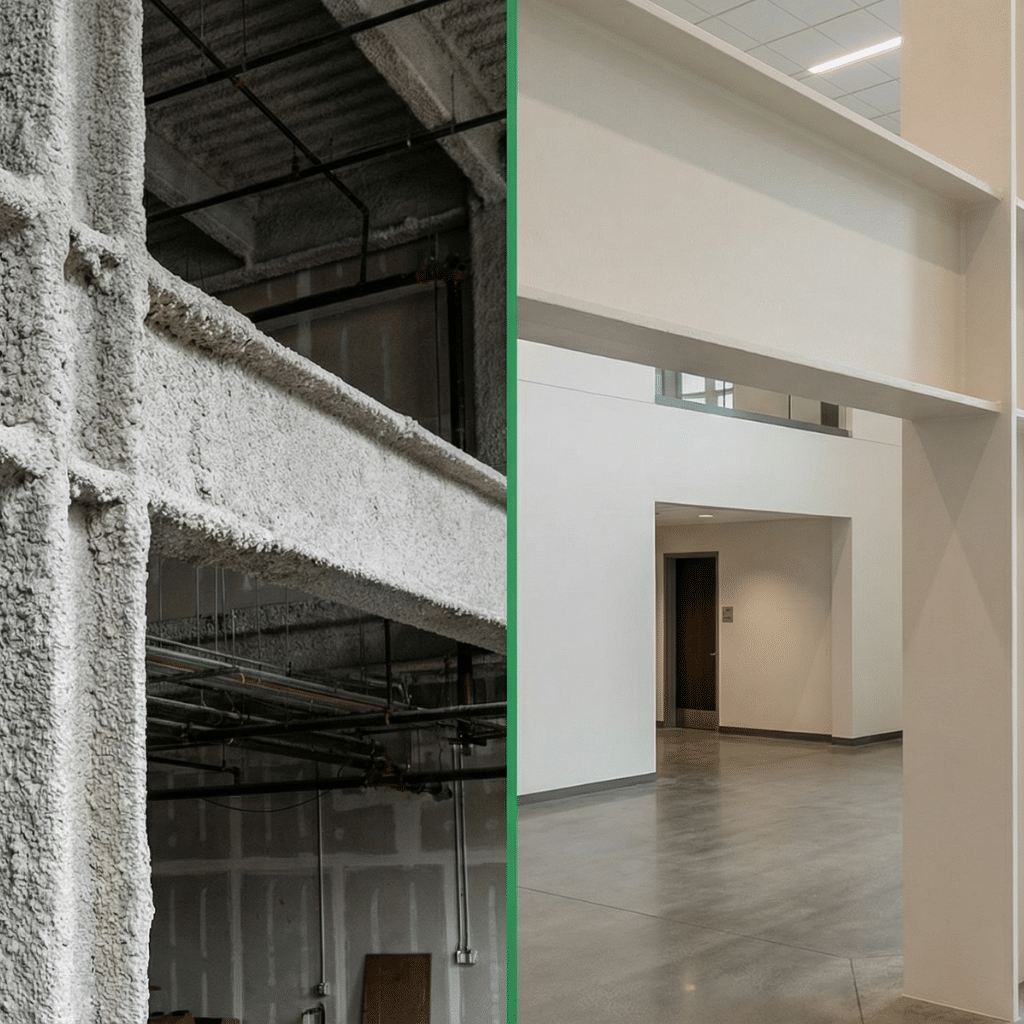
Cementitious fireproofing (SFRM) and intumescent coatings are the two primary methods of protecting structural steel from fire. They use completely different mechanisms, carry different inspection requirements, and serve different project conditions. If you are a general contractor, architect, specifier, or building owner deciding which system belongs on your project, this guide explains how each one […]
Wichita Fireproofing Contractor: Commercial Fire Protection in the Air Capital
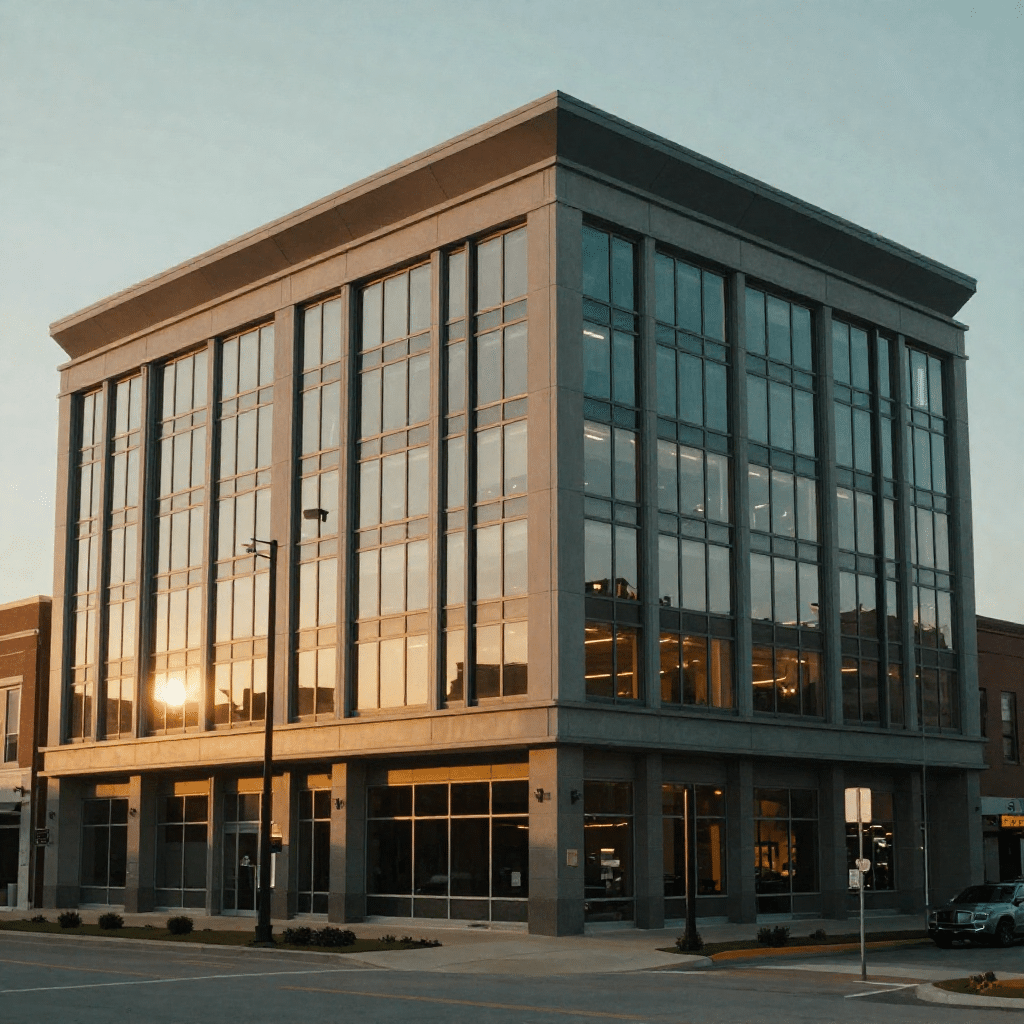
Wichita’s commercial construction market runs on aviation manufacturing, military modernization, and a growing healthcare and logistics sector. If you are a general contractor, facility manager, or building owner searching for a fireproofing contractor in Wichita KS, this guide covers why structural fireproofing matters here, what makes this market different from anywhere else in our service […]