
Intumescent
Fireproofing
Rated protection for exposed steel that has to stay looking like steel. Thin-film and epoxy intumescent systems applied to the listed dry film thickness, verified gauge by gauge.
A rated finish for steel that
the architect wants to see.
Bahl Fireproofing provides expert intumescent fireproofing services designed to protect structural steel and maintain the architectural integrity of your building. Our advanced intumescent coatings react to extreme heat by expanding into a thick, insulating layer, delaying structural failure and providing crucial time for safe evacuation during a fire.
Ideal for commercial and industrial applications, intumescent fireproofing delivers a clean, smooth finish, compared to other fireproofing materials, that meets strict fire safety codes without compromising design aesthetics. Whether you're working on new construction or a retrofit project, our team delivers precise application, documented film thickness, and long-lasting protection.
Enhance fire resistance, preserve design integrity, and meet building safety standards with Bahl's intumescent fireproofing solutions.
How intumescent fireproofing works and where it belongs
Under fire exposure the coating swells into an insulating char many times its applied thickness. The rating comes from the listed design: product, dry film thickness, and the steel section it protects, tested to ASTM E119 and UL 263.
Intumescent fire-resistive material is a paint-like coating applied in measured coats to a specified dry film thickness. At rest it is a finish; in a fire it is the fireproofing. Because the char is the protection, the thickness on the steel is the whole job.
Three product classes, three different jobs
| Class | Where it goes | What to know |
|---|---|---|
| Water-based thin film | Interior, conditioned spaces, lobbies, atriums, open ceilings | Cellulosic fire exposure; topcoat for color and cleanability; lowest odor during application |
| Solvent-based thin film | Interior and semi-exposed steel, canopies, parking | Wider application temperature window; DFT ranges roughly 30 to 340 mils depending on rating and section |
| Epoxy intumescent | Exterior, hydrocarbon exposure, petrochemical, high-impact areas | Expansion about 5x; the only class carrying UL 1709 listings; UL 1709 and ASTM E1529 are not equivalent |
Expansion ratios and DFT ranges are from manufacturer data and vary by product and listing; the listed design governs. IBC (2021) Section 1705.16 covers special inspection of IFRM; in the 2015 and 2018 editions the same subject sat at 1705.15.
Where intumescent goes
- Architecturally exposed structural steel (AESS): trusses, columns, moment frames left visible by design.
- Open ceilings in retail, hospitality and office fit-outs where SFRM would be seen.
- Retrofits and existing buildings where thin-film protection fits behind finishes SFRM cannot.
- Exterior and canopy steel, with the product class chosen for the exposure.
Pricing a scope?
Send the drawings and the spec section. We return a number, not a range.
The char is the fireproofing.
The paint is just how it gets there.
Every mil of dry film thickness below the listed design is rating the building does not have. We measure DFT per coat with calibrated gauges, log it by member, and hand the log to the special inspector before the topcoat goes on.
How we apply intumescent
Submittals
Listed design per member, DFT schedule, primer and topcoat compatibility letters.
Surface prep
Blast profile or compatible primer confirmed; contamination and temperature checked.
Coats to DFT
Applied in the coats the manufacturer specifies, wet film checked as we go.
DFT verification
Dry film gauged per member and logged; low readings recoated before topcoat.
Topcoat and handover
Topcoat per listing, DFT log and product records delivered.
Contact Us
Call, email, or send the drawings through the form. All three land in the same place, and Ross reads them.
Request an intumescent bid
Intumescent fireproofing by state
Austin, Dallas-Fort Worth, Houston, San Antonio, Lubbock
Intumescent fireproofing in Texas →Oklahoma City, Tulsa
Intumescent fireproofing in Oklahoma →Wichita, Kansas City metro, Hays
Intumescent fireproofing in Kansas →Phoenix, Tucson
Intumescent fireproofing in Arizona →Minneapolis, St. Paul, Rochester, Duluth, Brainerd, Walker, Bemidji
Intumescent fireproofing in Minnesota →Milwaukee, Madison, Green Bay, Superior
Intumescent fireproofing in Wisconsin →Intumescent FAQ
How long does intumescent fireproofing last?
Manufacturer service life and real-world performance are different numbers. Interior thin-film under a maintained topcoat is a long-life finish; exterior and unprotected coatings depend on the topcoat and inspection. Our maintenance guide covers both.
Can you paint over intumescent coating?
Only with a topcoat the manufacturer lists as compatible, at a thickness that does not compromise the char. Unlisted paint over intumescent voids the rating.
Thin film or epoxy?
Interior cellulosic exposure is thin film. Exterior, hydrocarbon or high-impact exposure is epoxy. The spec and the exposure decide, not preference.
Who inspects it?
The owner-engaged special inspector under IBC (2021) Section 1704.2, working from Section 1705.16. We supply the DFT logs.
What kinds of buildings get intumescent coatings?
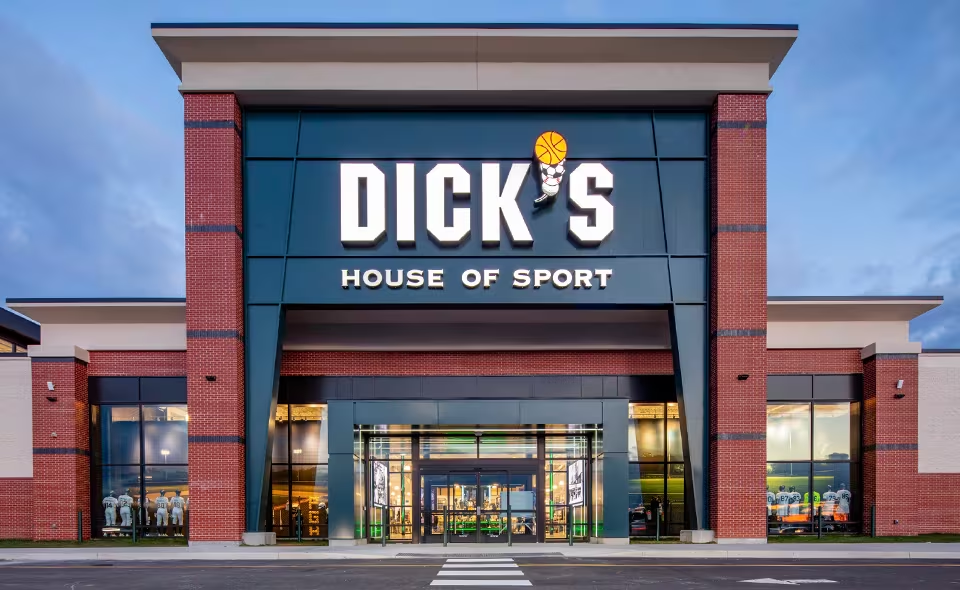
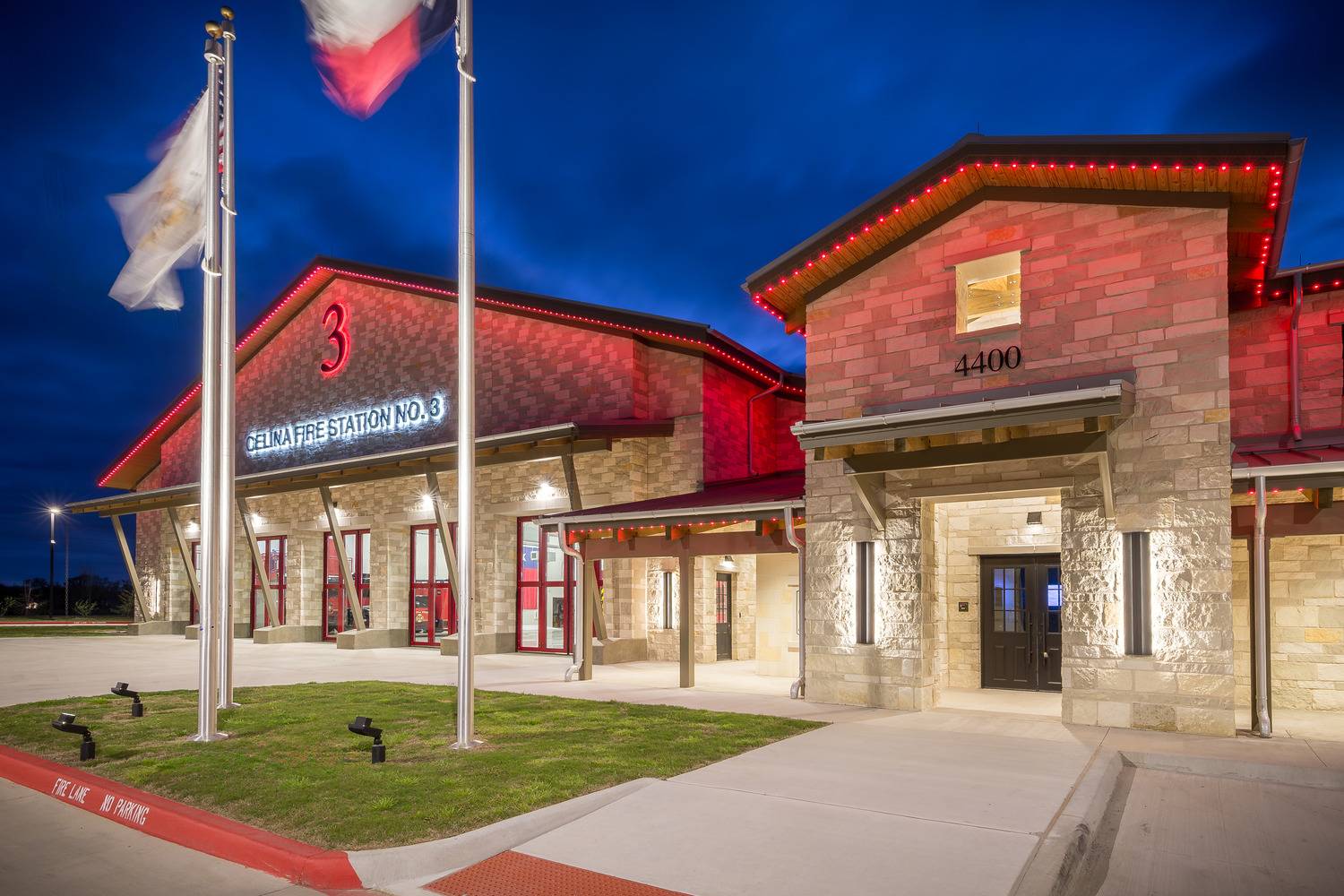
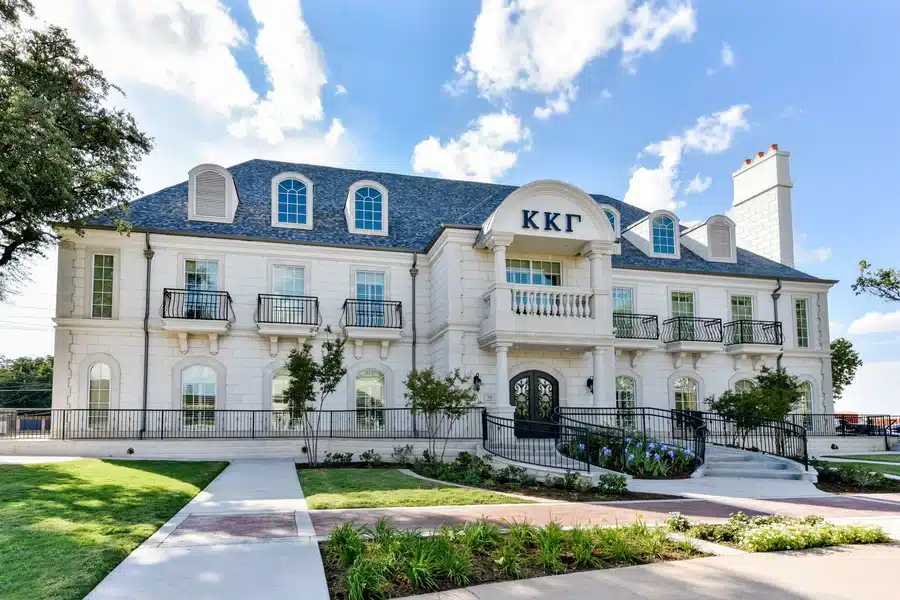
Buildings where the steel is part of the architecture and still has to be rated. Lobbies and atriums, stadium and arena concourses, airport terminals, university student centers, transit stations, restaurant and retail interiors, exposed canopies and entry structures. If the architect wants to see the steel, this is the system.
How is the thickness measured?
In mils of dry film thickness, taken off the listed design for that member size and rating. We gauge each coat with calibrated equipment, log it by member, and stop the topcoat until the readings are where the listing says they should be.
Can any of it be done off site?
Primer and basecoat are often shop-applied, which takes work off the critical path. Field work then covers connections, damage from erection, and the finish coat. We coordinate the split with the fabricator so the listing stays intact.
How does the cost compare to spray-applied fireproofing?
Intumescent runs materially higher per square foot of steel, because the material costs more and the application is slower and more controlled. Our cost guide walks through the drivers. Send drawings and we will price the actual scope rather than quoting a range.
From the Bahl library
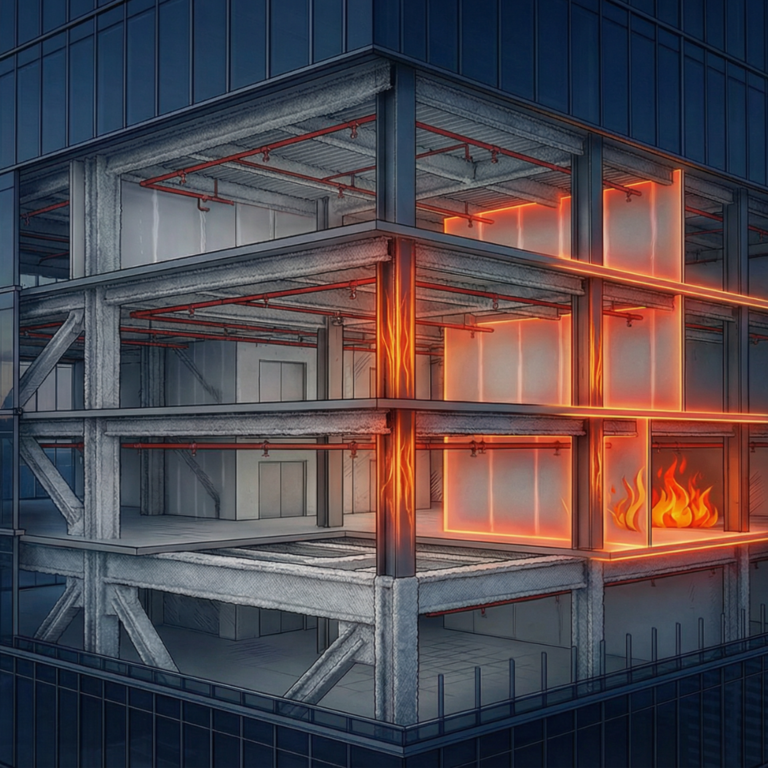
Intumescent fireproofing: the complete guide
Read the guide →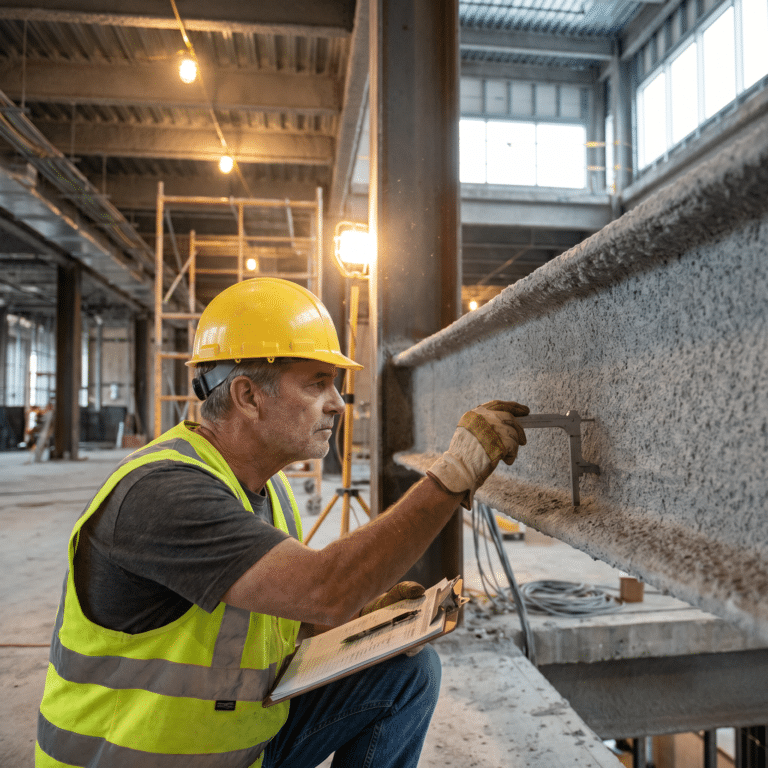
How to specify intumescent fireproofing, for architects
Read the guide →
Intumescent coating maintenance and inspection
Read the guide →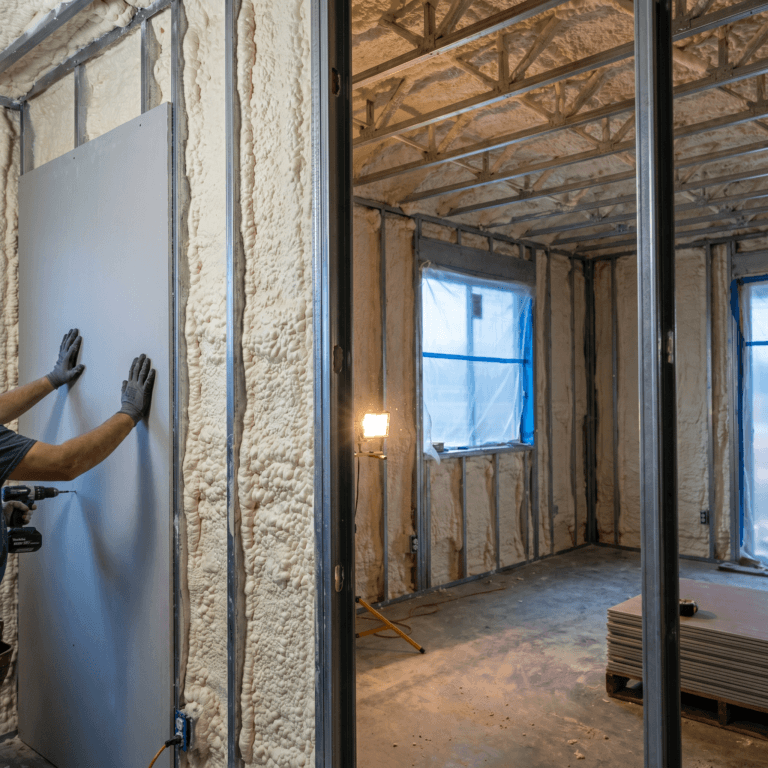
Types of intumescent fireproofing: which coating fits your project
Read the guide →This page describes Bahl Fireproofing's scope of work and general code context. Requirements, adopted code editions and inspection procedures vary by jurisdiction and project; confirm them with your licensed architect or engineer and the authority having jurisdiction. Nothing here is a warranty of a building's compliance or a substitute for the approved construction documents.