
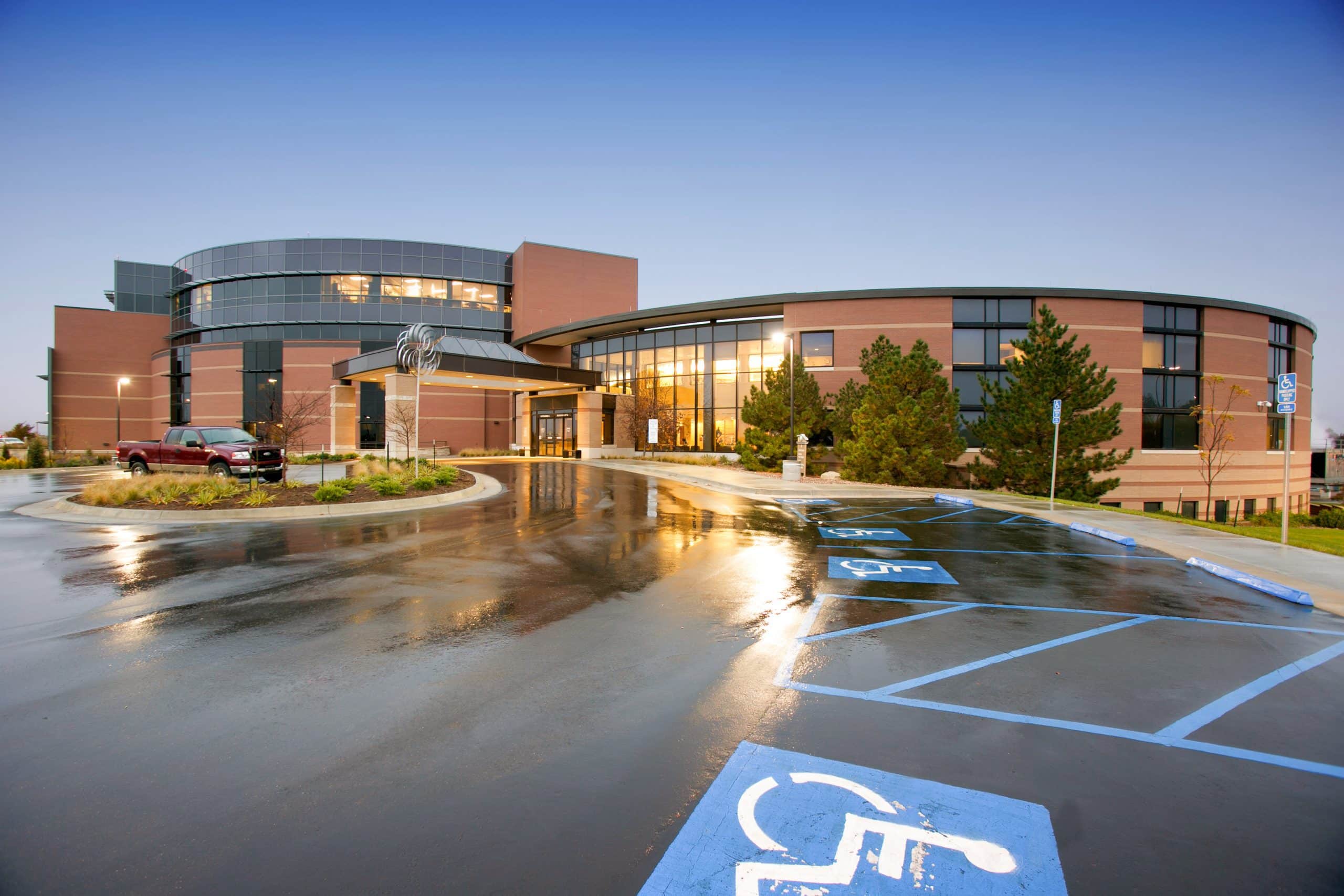
Fireproofing.
Installed to the listed design, at the specified thickness, and documented before the inspector arrives. Cementitious and gypsum-based SFRM on structural steel for commercial, institutional and industrial construction.
 NFCA memberMember of the National Fireproofing Contractors Association, the trade body for the contractors who actually install this work. Verify our listing.
Proven fireproofing that protects
your structure, your investment, and your timeline.
At Bahl Fireproofing, we install tested, listed fireproofing systems that protect what matters: your structure, your investment, and your timeline.
Our experienced team applies fire-resistive materials to structural steel beams, columns, and floor and roof assemblies, installed at the thickness the listed design requires so the assembly performs as rated under fire exposure.
From high-rises to industrial facilities, we bring nearly fifty years of expertise to every project: precise thicknesses, durable installations, and a paper trail that matches what's on the steel.
Our fireproofing systems are engineered to increase structural integrity during a fire event, minimizing risk, reducing liability, and keeping your project on track. Built for safety. Backed by experience. Trusted by contractors across the region.
What spray-applied fireproofing is and where it goes
The rating belongs to the assembly, not the product. A given SFRM at a given thickness on a given member, tested to ASTM E119 and UL 263 and listed in a published design, is what produces a 1-, 2-, 3- or 4-hour assembly.
Spray-applied fire-resistive material is a cementitious or gypsum-based product sprayed directly onto structural steel so that a beam, column, joist or deck assembly holds its rating for the period the building code requires.
Density classes and where each one belongs
| SFRM class | Dry density | Typical use | Minimum bond strength |
|---|---|---|---|
| Low density | 15 to 21 pcf | Concealed steel in conditioned interiors: beams, deck, joists | 150 psf, IBC (2021) Section 1705.15.6 |
| Medium density | 22 to 39 pcf | Exposed or unconditioned interiors, parking, mechanical rooms | 430 psf on buildings to 420 ft, IBC (2021) Section 403.2.3 |
| High density | 40 pcf and up | Exterior exposure, impact and abrasion, petrochemical | 1,000 psf above 420 ft, IBC (2021) Section 403.2.3 |
Bond-strength minimums are set by building height, not by density class; the table shows where each requirement usually lands. Adopted editions vary by jurisdiction across our six states; confirm section numbers with the authority having jurisdiction.
Where SFRM goes on a typical commercial job
- Primary structural frame: columns, girders, and the beams that carry them (IBC (2021) Section 202).
- Floor and roof assemblies: beams, joists and the underside of fluted or cellular deck where the listed design requires it.
- Secondary members and bracing where the construction type calls for a rating (IBC (2021) Table 601).
- Patches after MEP trades, at the same product, thickness and density as the original listing.
Pricing a scope?
Send the drawings and the spec section. We return a number, not a range.
Nothing makes a building fireproof.
A rating buys time.
ASTM E119 describes its own result as a relative measure of performance under a standard fire exposure. A 2-hour assembly held for two hours under that test fire, which is time for occupants to get out and the fire department to get in. That is the honest claim, and it is the one we install to.
Five steps, in this order, on every job
Submittals
Product data, the listed design per member type, and a thickness schedule matched to the approved drawings.
Substrate prep
Steel checked for primer compatibility, contamination and temperature before a hose is charged.
Application
Sprayed to the listed thickness in the passes the manufacturer's application guide calls for.
Thickness and density
Readings per ASTM E605, logged daily, so the special inspector is confirming, not discovering.
Documentation
Batch records, thickness logs and bond samples per IBC (2021) Section 1705.15, handed over before we leave.
Contact Us
Call, email, or send the drawings through the form. All three land in the same place, and Ross reads them.
Request a Bid
Spray-applied fireproofing by state
Austin, Dallas-Fort Worth, Houston, San Antonio, Lubbock
Spray-applied fireproofing in Texas →Oklahoma City, Tulsa
Spray-applied fireproofing in Oklahoma →Wichita, Kansas City metro, Hays
Spray-applied fireproofing in Kansas →Phoenix, Tucson
Spray-applied fireproofing in Arizona →Minneapolis, St. Paul, Rochester, Duluth, Brainerd, Walker, Bemidji
Spray-applied fireproofing in Minnesota →Milwaukee, Madison, Green Bay, Superior
Spray-applied fireproofing in Wisconsin →Fireproofing FAQ
What fireproofing does my commercial building need?
That comes off your approved drawings. Construction type and occupancy set the required fire-resistance ratings under IBC (2021) Table 601, and the licensed architect or engineer specifies the assembly. What we do is read that spec, price it accurately, and install the listed system at the required thickness.
Is K-13 fireproofing?
No. K-13 carries a Class A surface burning classification under ASTM E84 (UL 723). That is not a fire-resistance rating under ASTM E119 (UL 263). When an assembly needs a rating, that is a fireproofing scope, and we do both, including K-13 over SFRM as a combined system.
Who does the special inspection?
The owner engages the special inspector under IBC (2021) Section 1704.2. Our part is having thickness readings, density samples and bond tests ready per Section 1705.15 so the inspection confirms what we logged.
What does spray-applied fireproofing cost per square foot?
It depends on the density class, the rating, the steel size and access. Our cost guide walks through the drivers and the ranges we see on bids; send drawings for a real number.
Can you patch fireproofing after the MEP trades?
Yes. Patches use the same product, thickness and density as the original listing, and we document them the same way.
What kinds of jobs actually need spray-applied fireproofing?
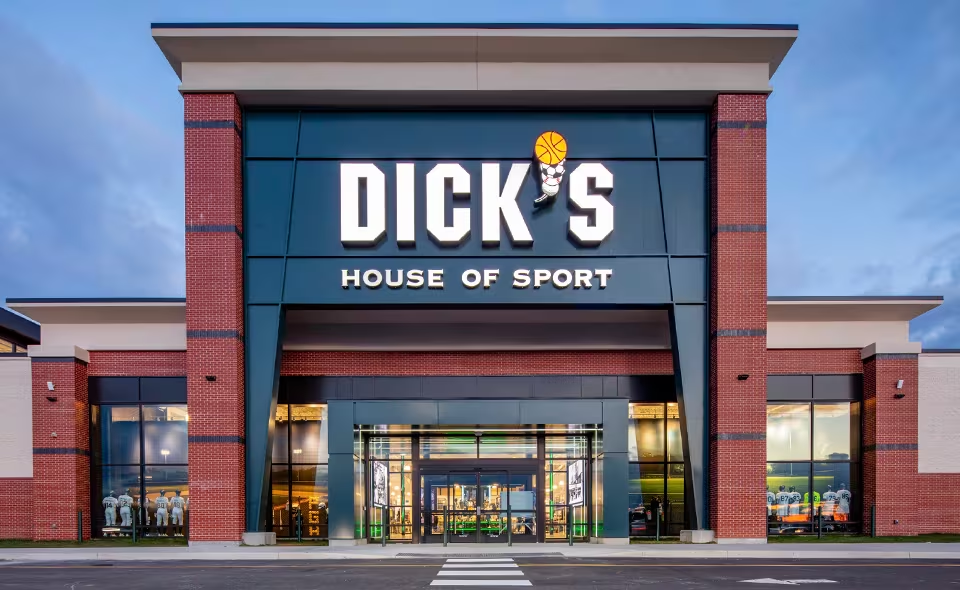
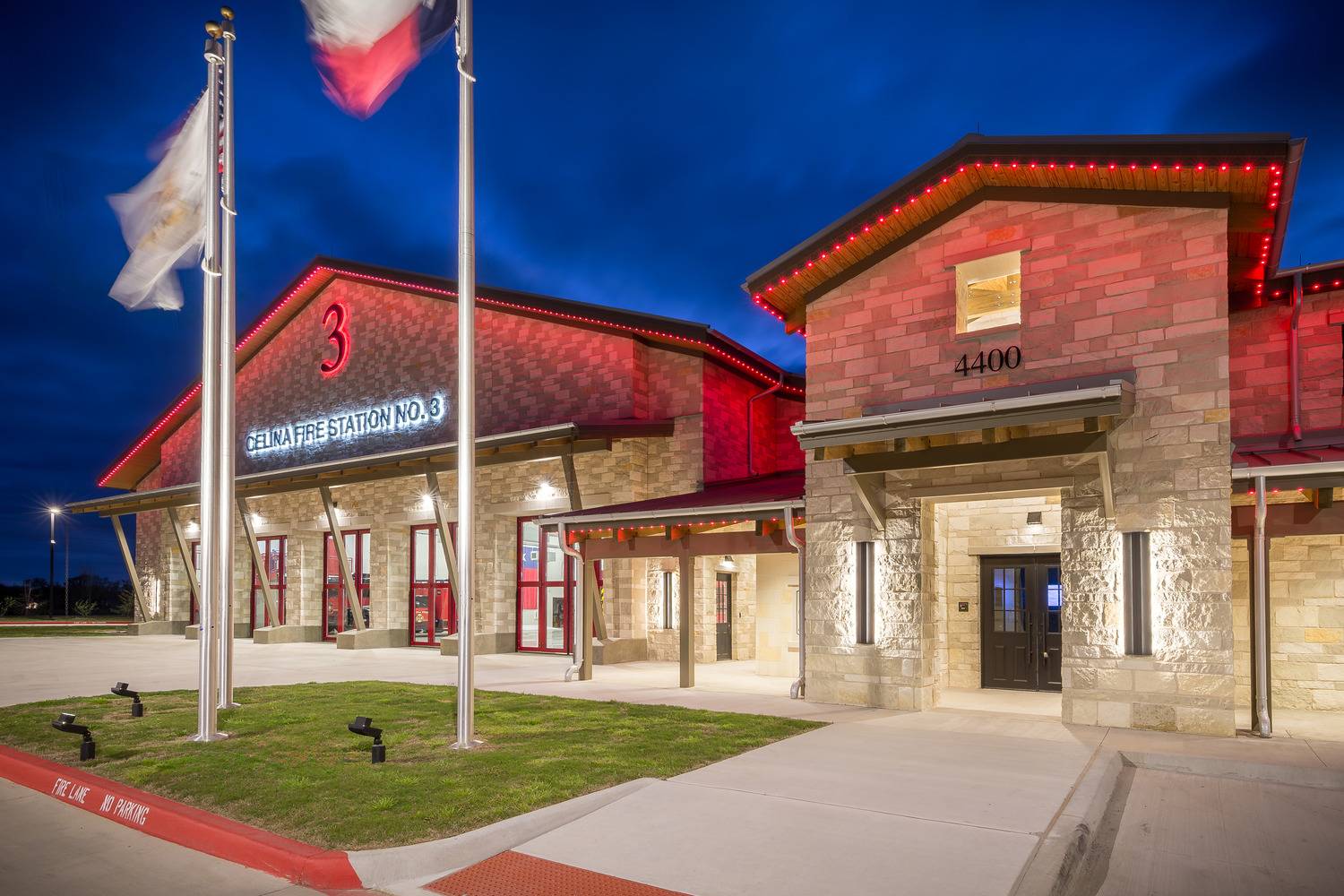
Steel-framed buildings where the structure has to carry a fire-resistance rating. In practice that is schools and university buildings, hospitals and medical office buildings, data centers, distribution centers and cold storage, parking structures, mid-rise offices, hotels and big-box retail. If the drawings show a rated floor or roof assembly over structural steel, the scope is ours.
How thick does it have to be?
The listed design decides, not a rule of thumb. Thickness is a function of the member size, the required rating and the specific listed assembly, so the same product goes on a W14x22 at one thickness and a W36x150 at another. We take the thickness off the listing, log it per member, and hand the map to the special inspector.
Can you spray in an occupied or partially finished building?
Yes. Containment, masking and protection of finished work are part of the scope, and we sequence around the other trades so overspray and access do not become somebody else's problem. Renovations and additions on live campuses are a regular part of the work.
From the Bahl library
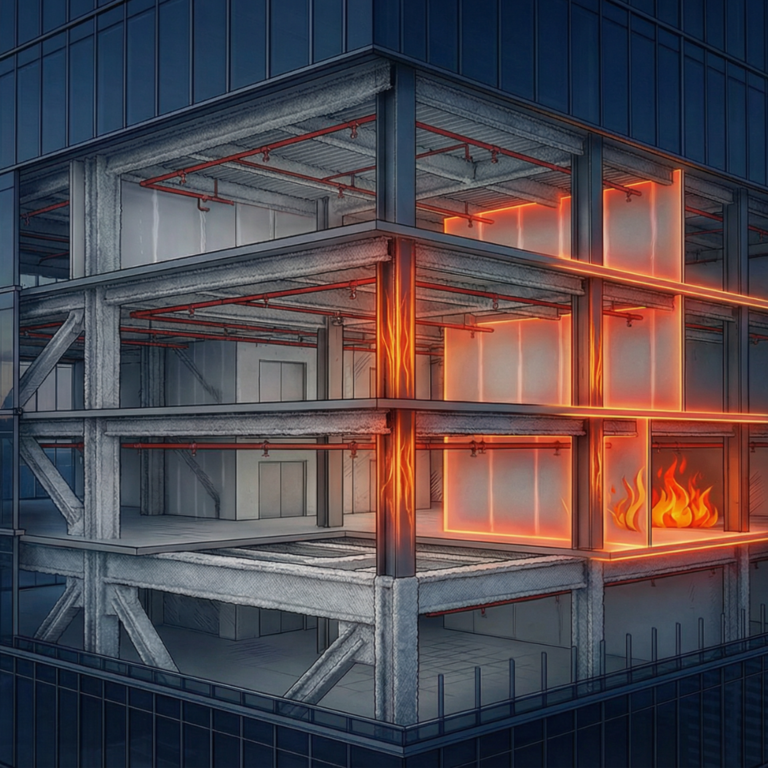
IBC Table 601 fire-resistance ratings, explained by construction type
Read the guide →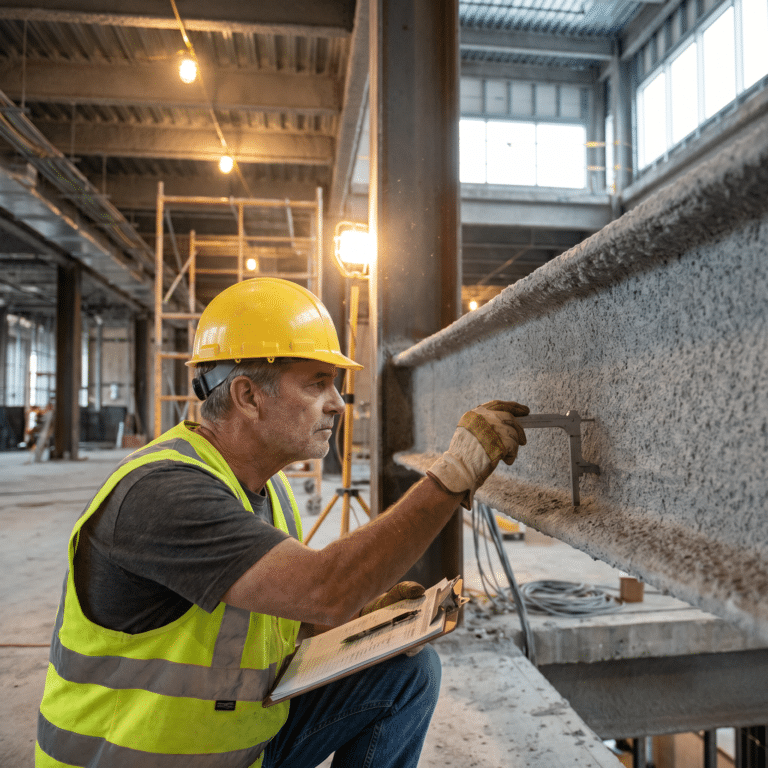
SFRM special inspection: what IBC Chapter 17 requires
Read the guide →
Cementitious vs intumescent: which system fits your project
Read the guide →
Commercial fireproofing cost: what to expect per square foot
Read the guide →This page describes Bahl Fireproofing's scope of work and general code context. Requirements, adopted code editions and inspection procedures vary by jurisdiction and project; confirm them with your licensed architect or engineer and the authority having jurisdiction. Nothing here is a warranty of a building's compliance or a substitute for the approved construction documents.