

Core Foam
Insulation
Foam-in-place insulation for concrete block cores and double-wythe masonry cavities. Pressure-injected through small holes in the mortar joints, no demolition.
The block insulation that goes in
after the wall is up.
Core Foam Masonry Foam Insulation is a two-part aminoplast foam made by cfiFOAM, Inc. of Knoxville, Tennessee. It is pressure-injected or top-filled into the open cores of concrete masonry units and into double-wythe masonry cavities detailed to be filled, where the non-expanding foam flows through the wall and fills irregular voids.
Bahl installs Core Foam in new masonry construction and as a retrofit in existing block walls: schools, churches, warehouses and commercial buildings where the wall is already standing and the energy bill says it is uninsulated.
What Core Foam does, and what it does not do
Block density moves the wall R-value more than the foam does. Same 8-inch unit, same foam: R-8.21 in 85 pcf lightweight block versus R-4.02 in 135 pcf normal-weight block. That 2x swing comes from the block, which is why R per inch times core depth reads high.
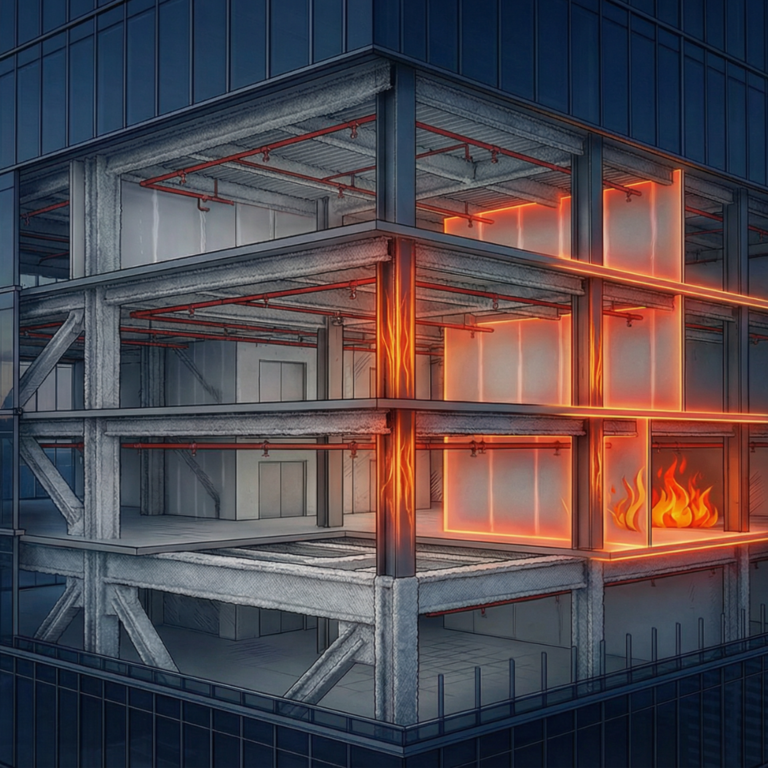
Core Foam is a two-part aminoplast foam: a spray-dried resin and a foaming catalyst concentrate, mixed by the installer and combined with compressed air. It fills the voids, it does not carry load, and it neither adds to nor detracts from the fire rating of the wall. Those limits matter as much as the R-value.
Wall R-values that account for thermal bridging through the block webs
| Block density | 8-inch 3-web | 8-inch 2-web | 12-inch 3-web | 12-inch 2-web |
|---|---|---|---|---|
| 85 pcf | R-8.21 | R-11.95 | R-13.44 | R-20.09 |
| 95 pcf | R-7.14 | R-10.63 | R-11.61 | R-17.82 |
| 105 pcf | R-6.19 | R-9.39 | R-9.98 | R-15.68 |
| 115 pcf | R-5.36 | R-8.24 | R-8.50 | R-13.70 |
| 125 pcf | R-4.64 | R-7.21 | R-7.33 | R-11.91 |
| 135 pcf | R-4.02 | R-6.28 | R-6.27 | R-10.29 |
Source: cfiFOAM Thermal Properties Data Handbook, 2nd edition, May 2025. Core Foam in ungrouted units, air films included, series-parallel method. 3-web columns have three 1-inch webs; 2-web columns have two 3/4-inch webs. Grouted cells calculate lower. Foam R-value: R-4.6 per inch at 75F mean, R-5.0 at 25F mean, ASTM C518, per ICC-ES ESL-1648.
Standing limitations, stated on every page
- Not for horizontal applications, flotation, or waterproofing.
- Never injected into a wet wall: no standing water in the cores, no visible wetness on the face.
- No extended contact with surfaces above 190F.
- Neither adds to nor detracts from the fire rating of a concrete masonry wall. If the wall needs a rating, that is a different scope.
Pricing a scope?
Send the drawings and the spec section. We return a number, not a range.
The block sets the R-value.
The foam finishes it.
Density is the variable nobody prices. A lightweight 85 pcf block with Core Foam in the cores insulates about twice as well as a normal-weight 135 pcf block with the same foam. We say that on the bid so the number is real.
How we install Core Foam
Survey
Block type, density, wall height and existing penetrations mapped; injection pattern set.
Drill
Small holes in the mortar joints on the injection pattern; no demolition.
Inject
Foam pressure-injected core by core from the bottom up, on cfiFOAM's hole pattern.
Verify fill
Overflow at the next hole up confirms the core is full; voids re-shot, infrared scan on request.
Patch and document
Holes patched to match; coverage map and batch records handed over.



Contact Us
Call, email, or send the drawings through the form. All three land in the same place, and Ross reads them.
Request a Core Foam bid
Core Foam insulation by state
Austin, Dallas-Fort Worth, Houston, San Antonio, Lubbock
Core Foam insulation in Texas →Oklahoma City, Tulsa
Core Foam insulation in Oklahoma →Wichita, Kansas City metro, Hays
Core Foam insulation in Kansas →Phoenix, Tucson
Core Foam insulation in Arizona →Minneapolis, St. Paul, Rochester, Duluth, Brainerd, Walker, Bemidji
Core Foam insulation in Minnesota →Milwaukee, Madison, Green Bay, Superior
Core Foam insulation in Wisconsin →Core Foam FAQ
Does Core Foam raise the fire rating of my block wall?
No. cfiFOAM states its masonry foam neither adds to nor detracts from the fire-resistance rating of a CMU wall. It insulates; it does not rate.
Can it go in an existing building?
Yes. We inject it into standing CMU walls through small drilled holes. The cores have to be open and dry, and grouted cells cannot be filled.
What R-value will my wall have?
It depends on the block density and web layout more than the foam. The cfiFOAM table above is the honest answer; multiplying R per inch by core depth overstates it because it ignores the webs.
Is there an ICC-ES report?
Yes. ICC-ES listing ESL-1648, reissued April 2026, covers Core Foam's R-value, surface burning and federal labeling. It does not cover fire resistance.
What kinds of buildings use Core Foam?
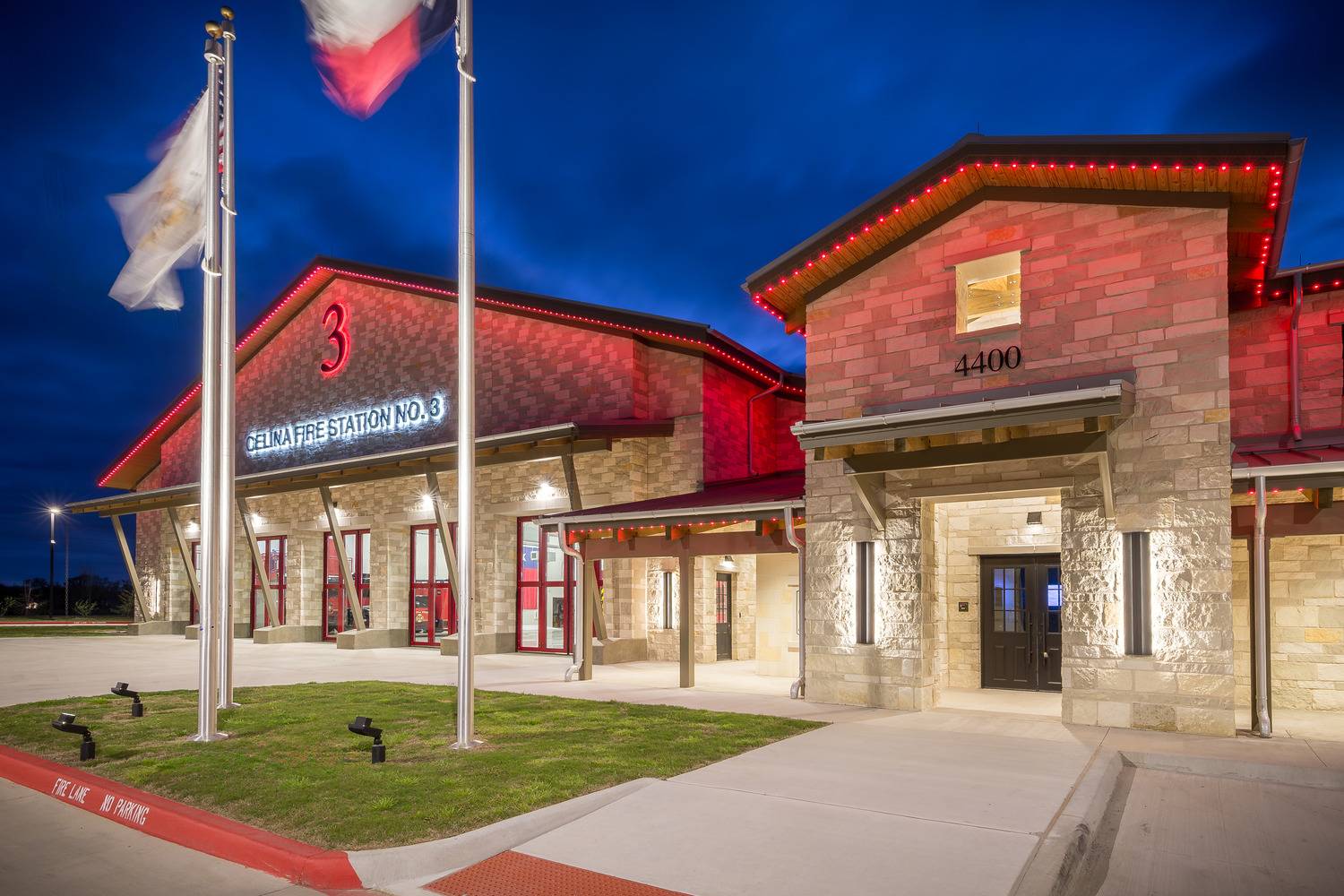
Anything built out of block. Schools and gyms, churches, fire stations, warehouses and shops, correctional and municipal buildings, and agricultural structures. New masonry and standing walls both.
How disruptive is it in an existing building?
Small injection holes go in the mortar joints and get patched to match. No demolition, no wall opened up, no interior finish removed. Most retrofits happen from the exterior while the building stays in use.
Does it settle over time?
It cures in place as a semi-rigid foam rather than sitting loose in the cavity, and cfiFOAM reports shrinkage under 0.5 percent, so it does not slump the way poured or blown loose fill can. That is most of the reason it gets specified for retrofit.
How much wall can you fill in a day?
Enough that it is rarely the schedule driver. The pour is fast; access, staging and weather are what set the duration. We give a real production rate with the bid once we see elevations.
From the Bahl library
Core Foam masonry insulation: the guide
Read the guide →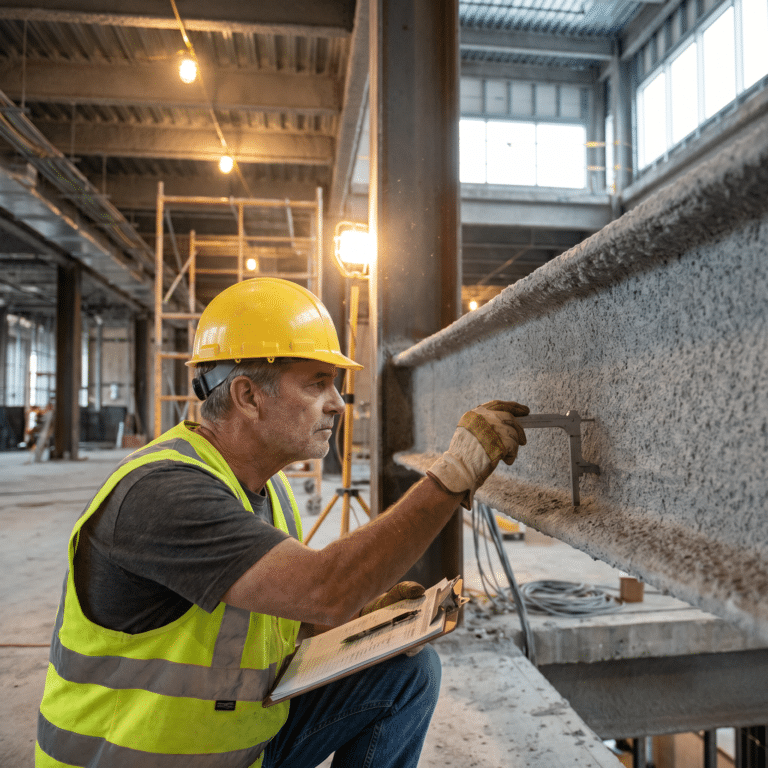
Core Foam installation in concrete block walls
Read the guide →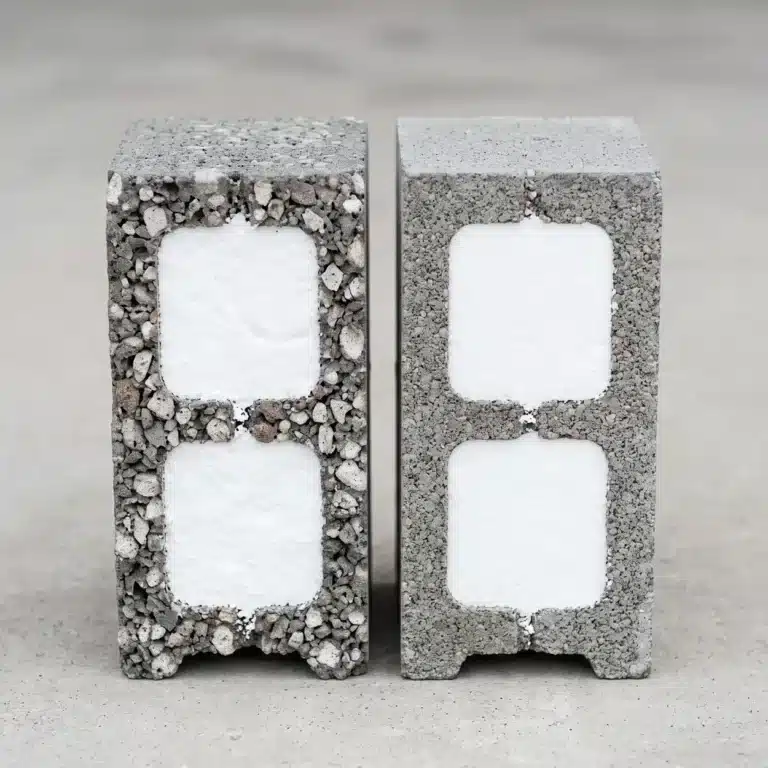
Core Foam R-value and fire safety: what the data shows
Read the guide →
School masonry insulation: the complete Core Foam guide
Read the guide →This page describes Bahl Fireproofing's scope of work and general code context. Requirements, adopted code editions and inspection procedures vary by jurisdiction and project; confirm them with your licensed architect or engineer and the authority having jurisdiction. Nothing here is a warranty of a building's compliance or a substitute for the approved construction documents.