
Spray Foam Cost in Kansas and Oklahoma: A 2026 Budget Guide
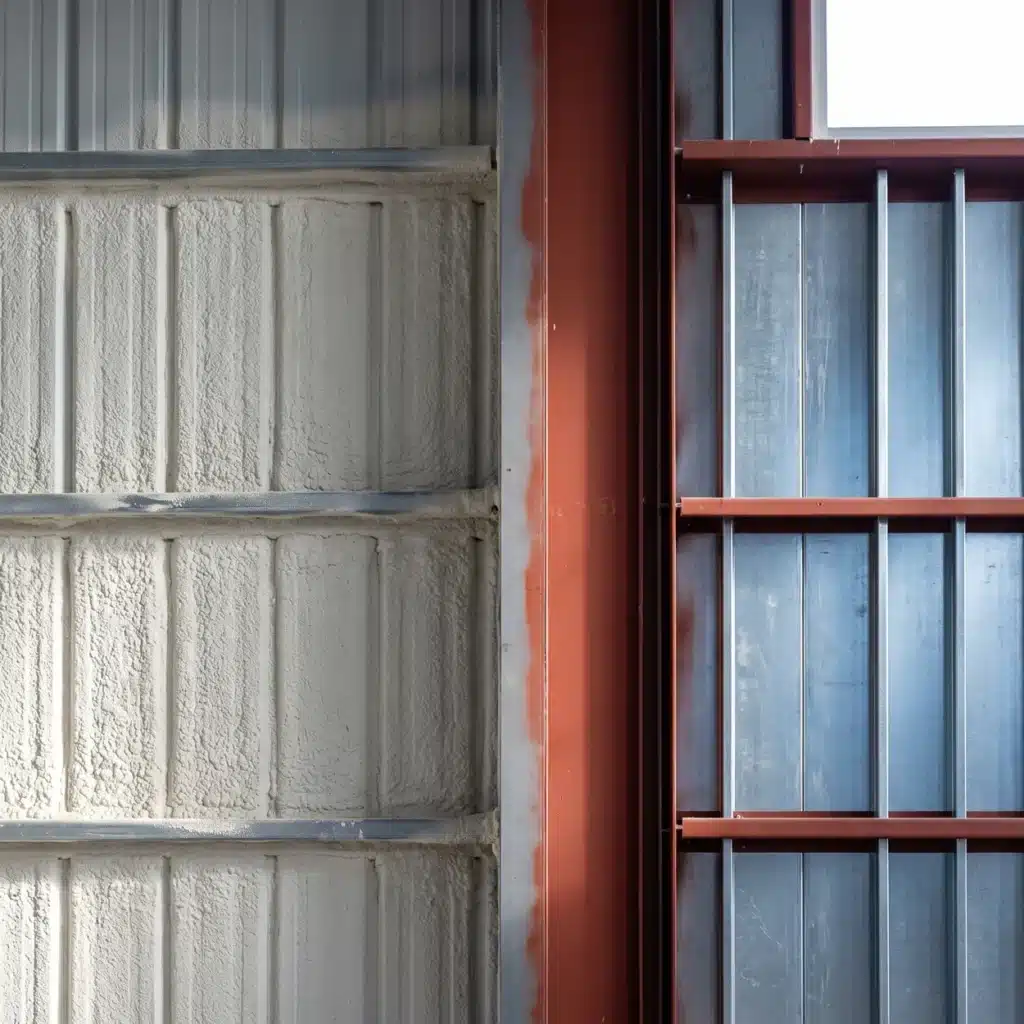
Owners in Wichita, Tulsa, and Oklahoma City ask the same first question about spray foam cost, and it is the wrong one. This article explains why no citable installed price exists for this market, what actually moves a commercial insulation number, and how to make three bidders describe the same building, covering board feet, foam […]
Precast Insulation: The Complete Core-Fill 500 Panel Guide
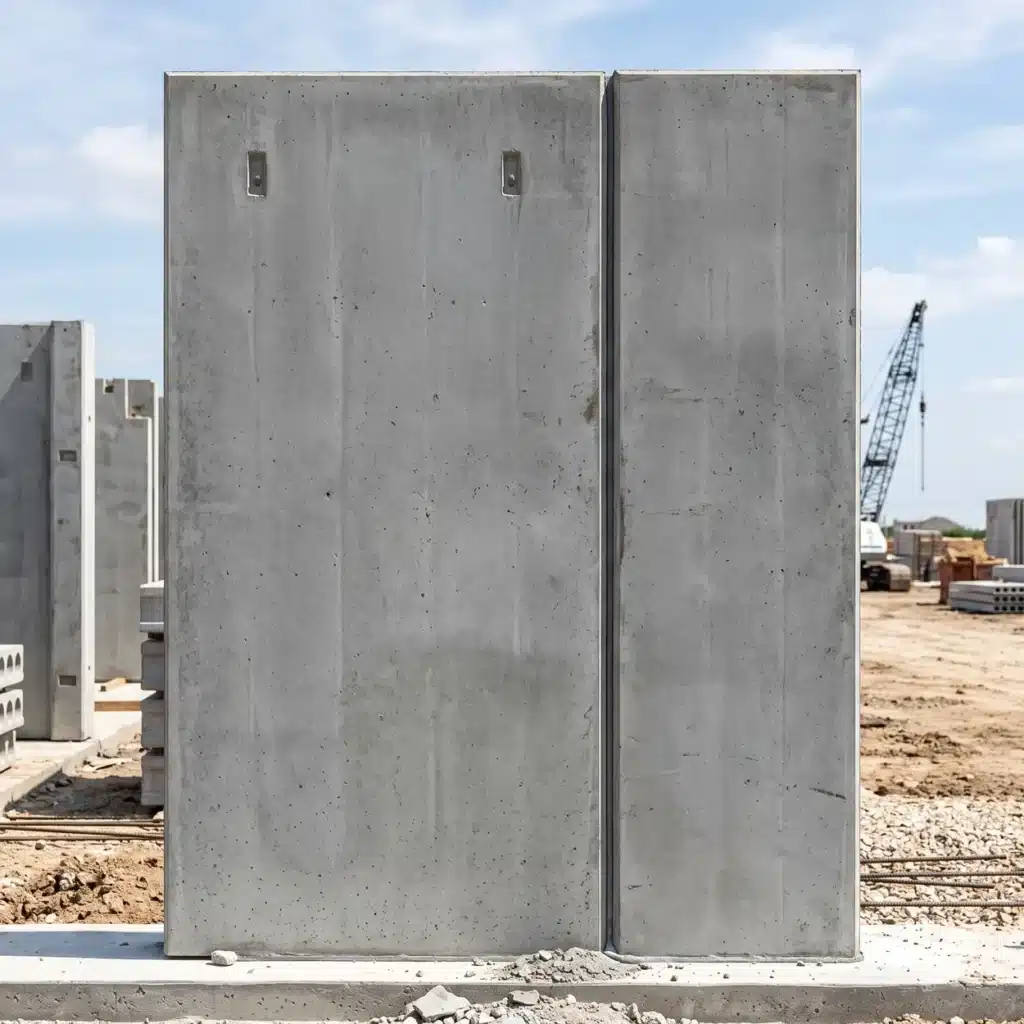
Hollow-core precast carries floors, roofs, and walls on parking structures, hotels, schools, and multi-family work across Texas, Kansas, and Oklahoma. The manufacturer of Core-Fill 500 lists precast hollow-core panels among its approved applications. This article covers what that precast insulation approval reaches, which member it does not reach, what number governs the finished wall, and […]
Sanctuary Acoustics: The Practical K-13 Ceiling Guide
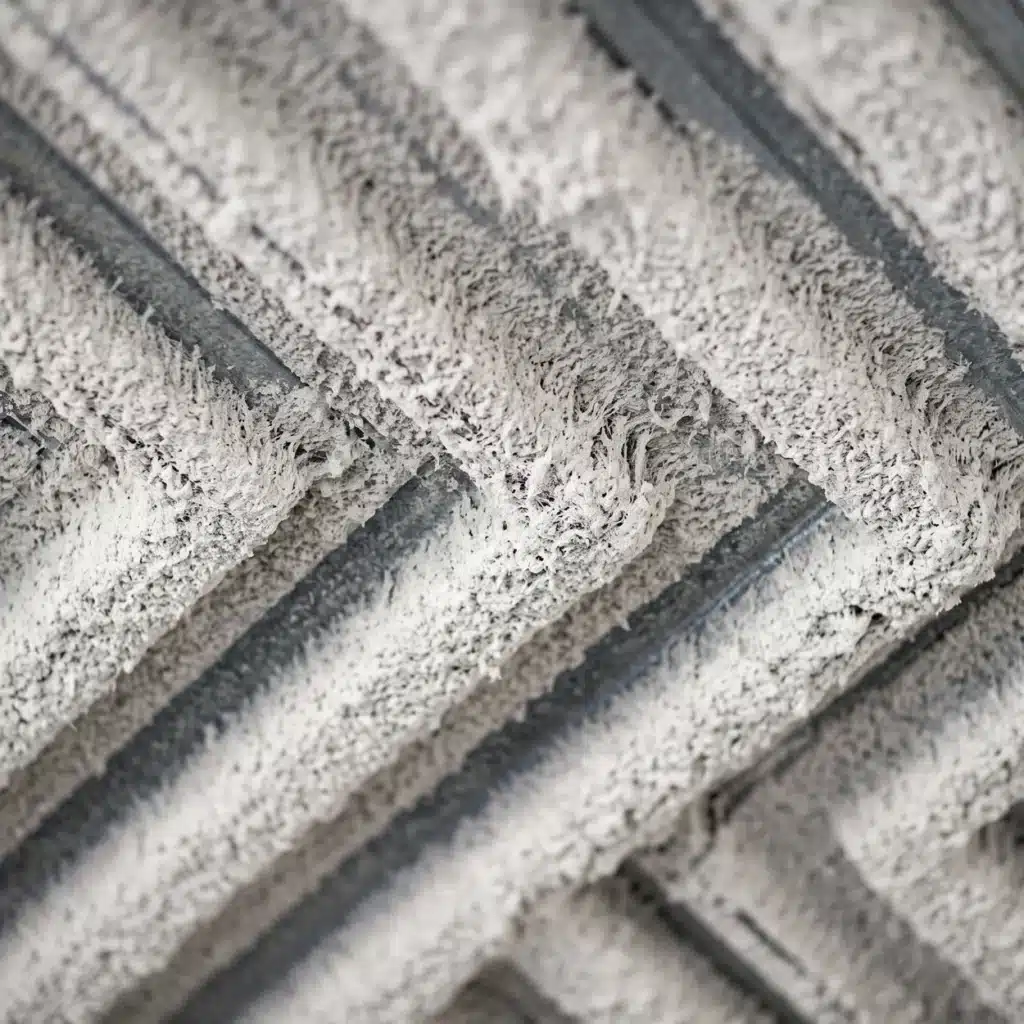
A sanctuary has to do two things a room is not built to do at once. It has to carry an unamplified voice and a choir with warmth, and it has to keep amplified speech intelligible in the back row. Sanctuary acoustics is where those two demands collide, and the reflex fix, spraying absorption across […]
Rigid Foam Board vs Core-Fill 500: The Practical Comparison
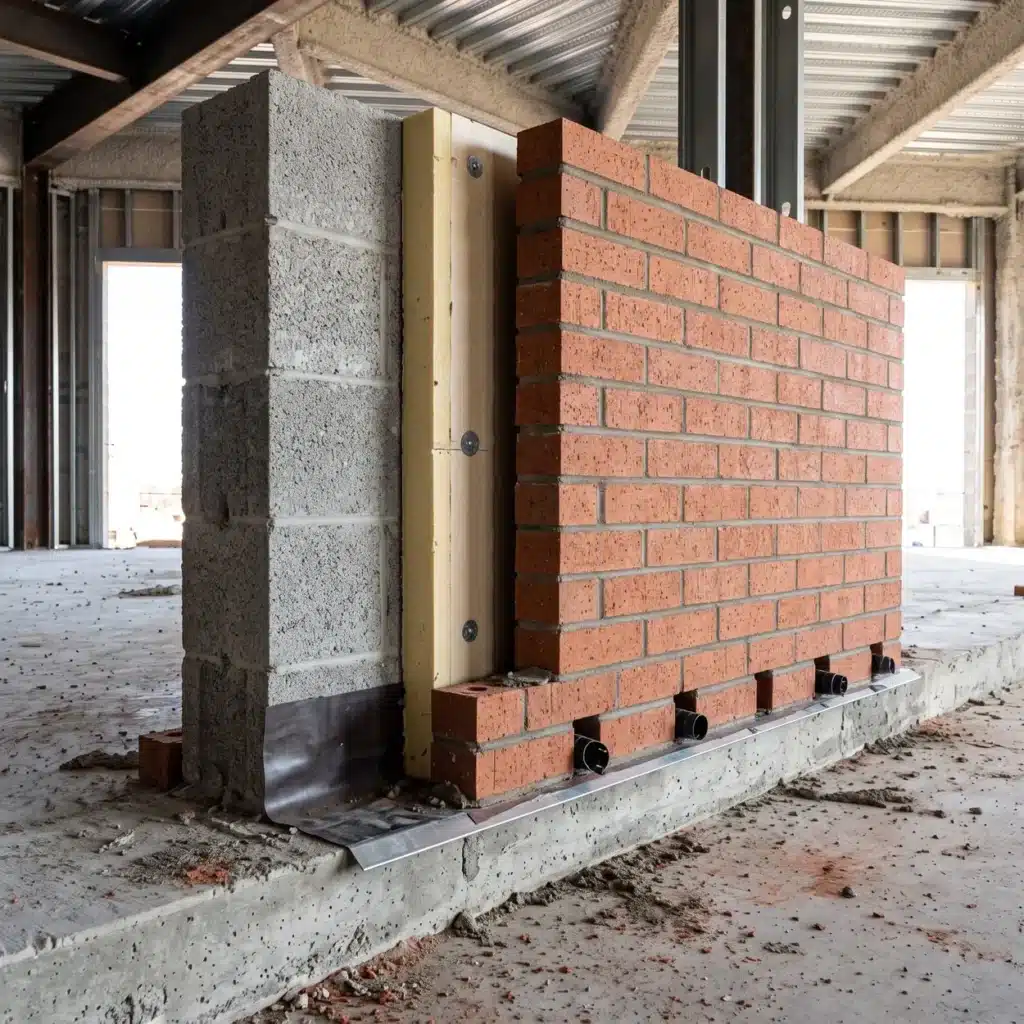
Design teams usually treat rigid foam board and injected masonry foam as two answers to one thermal question. They are not. The two materials belong in different wall assemblies, and the choice starts with identifying which wall is on the drawings. This article covers where each product sits, what the energy code will and will […]
Vapor Barrier vs Vapor Retarder: The Critical Difference
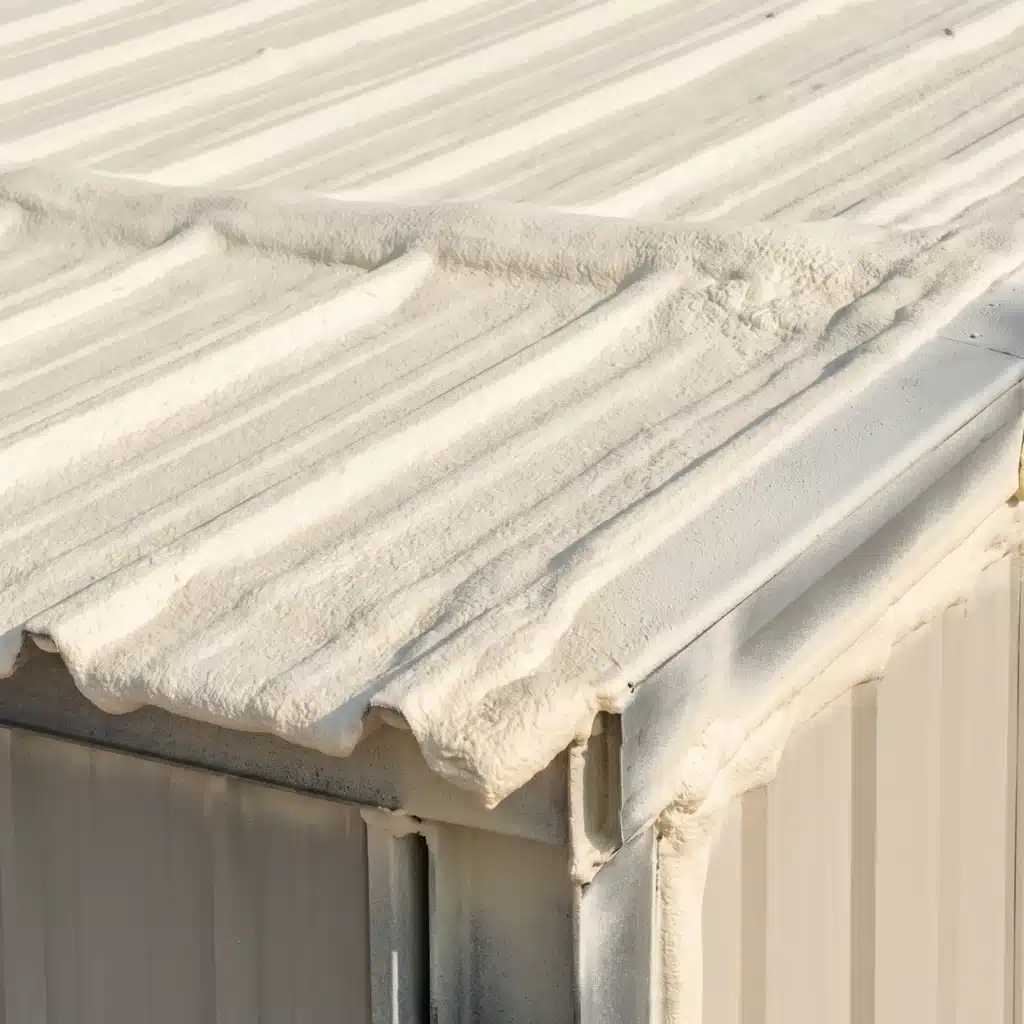
Almost every spec section that calls for a vapor barrier in a metal building is asking for something spray foam does not provide. What the material provides is a vapor retarder, and the class it reaches depends on the specific product and the installed thickness. This article covers what the code defines, what the tested […]
School Masonry Insulation: The Complete Core-Fill 500 Guide

Most school buildings across Texas, Kansas, and Oklahoma are concrete block, and in the older ones the cores are empty. School masonry insulation is the one envelope upgrade that goes into a standing CMU wall without opening it. This article covers what the foam does thermally, what its acoustic rating actually measures, and how the […]
Correctional Insulation: The Practical K-13 Guide for Group I-3
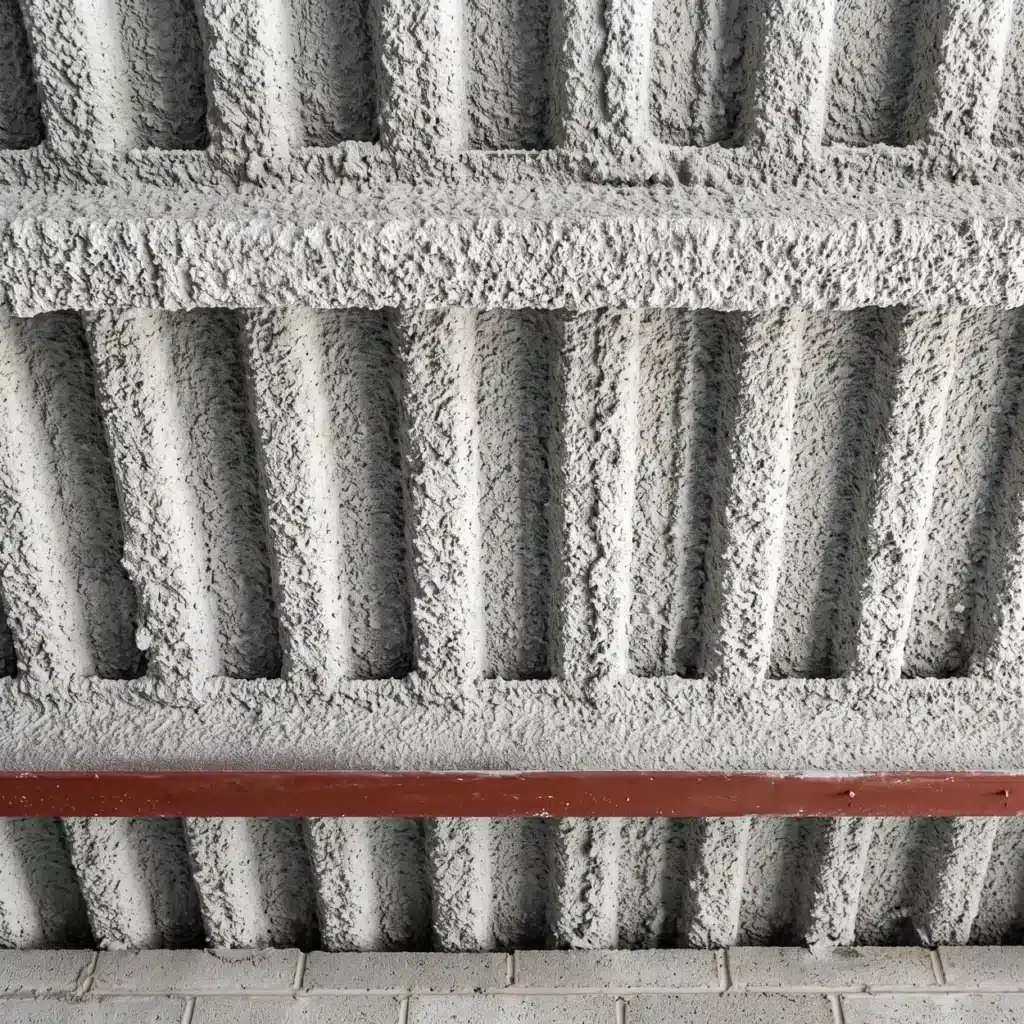
Jails and detention centers are built from the hardest surfaces in commercial construction: concrete, block, steel, and coated masonry. That makes them loud, and it makes every ceiling decision a security decision at the same time. This article covers how correctional insulation gets specified under IBC Group I-3, what K-13 sprayed fiber does and does […]
Core-Fill R-Value and Fire Safety: What the Data Shows
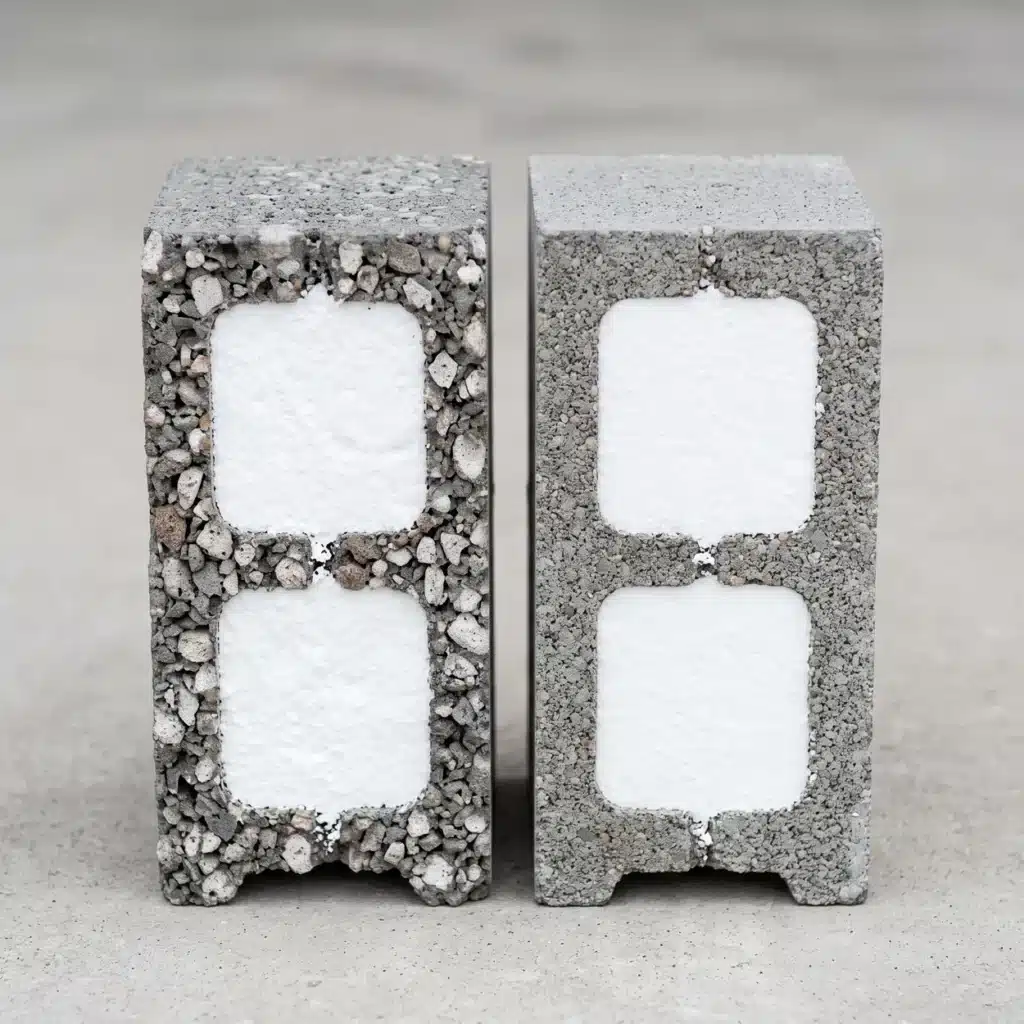
Two figures follow this masonry foam everywhere it is written about: an R-value per inch and a Class A fire result. Both are real test results, and both get quoted at conditions that do not match the question being asked. This article works through the published Core-Fill R-value data and the fire data, names the […]
Church Insulation: A Practical Guide for TX and OK Sanctuaries
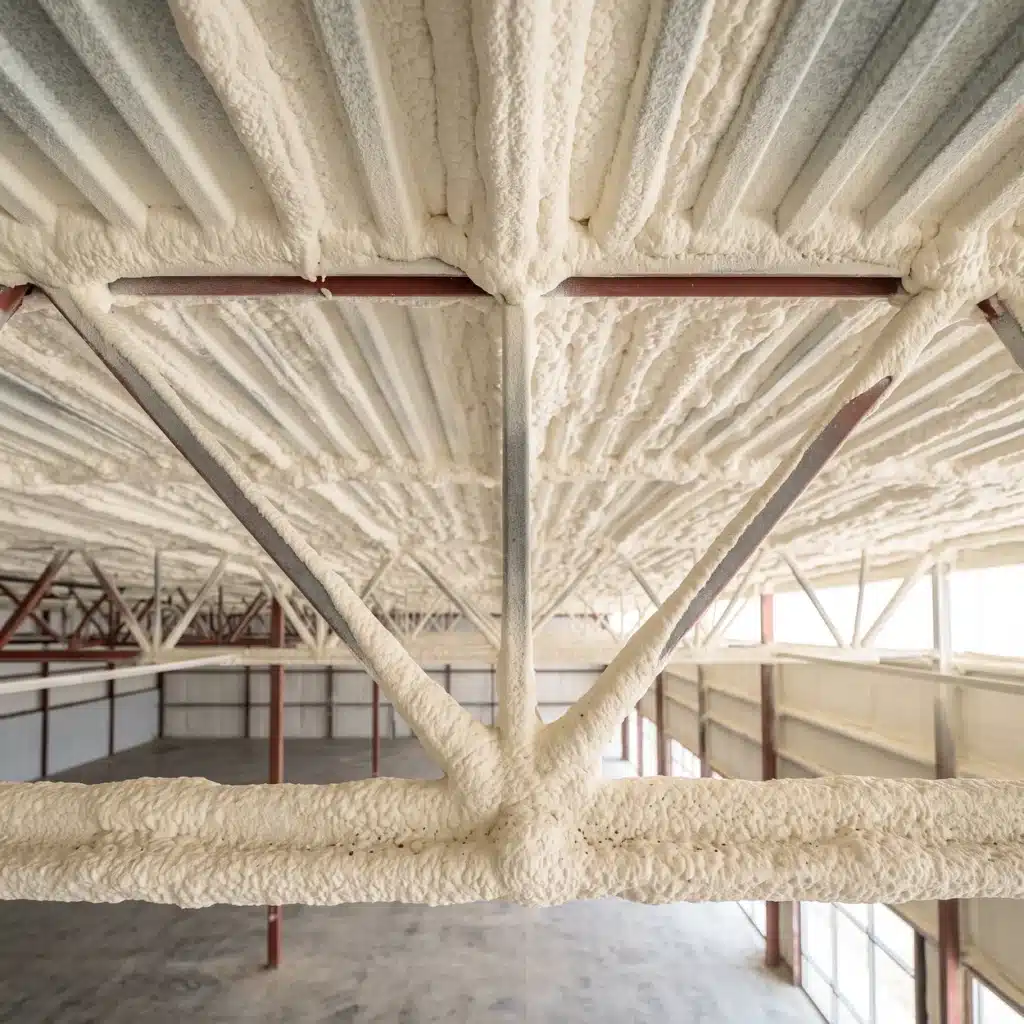
A worship center asks two things of its envelope at once, and they do not point the same direction. It has to hold a very large conditioned volume against a Texas or Oklahoma summer, and it has to sound right when four hundred people sing in it. This article covers what church insulation controls in […]