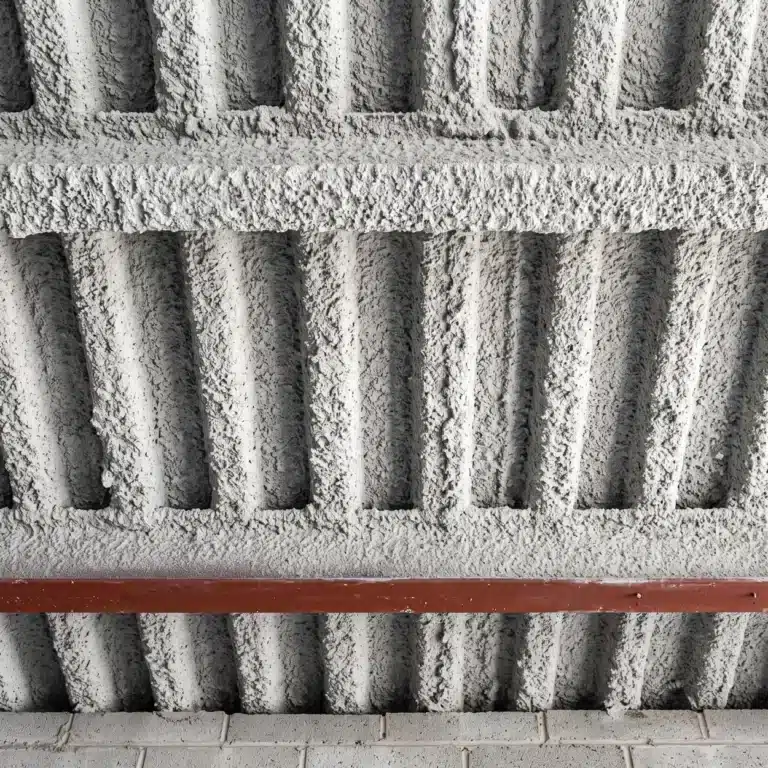
Correctional Insulation: The Practical K-13 Guide for Group I-3
Jails and detention centers are built from the hardest surfaces in commercial construction: concrete, block, steel, and coated masonry. That makes them loud, and

Jails and detention centers are built from the hardest surfaces in commercial construction: concrete, block, steel, and coated masonry. That makes them loud, and
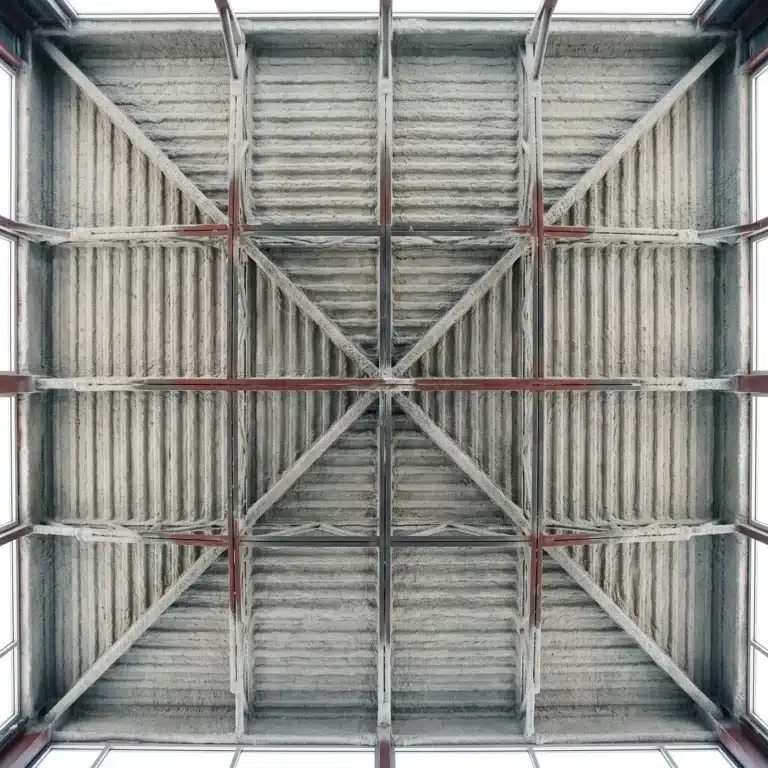
Sprayed fiber ceilings run twenty and thirty years without generating a work order, which is exactly why K-13 maintenance gets handled badly. Nobody writes
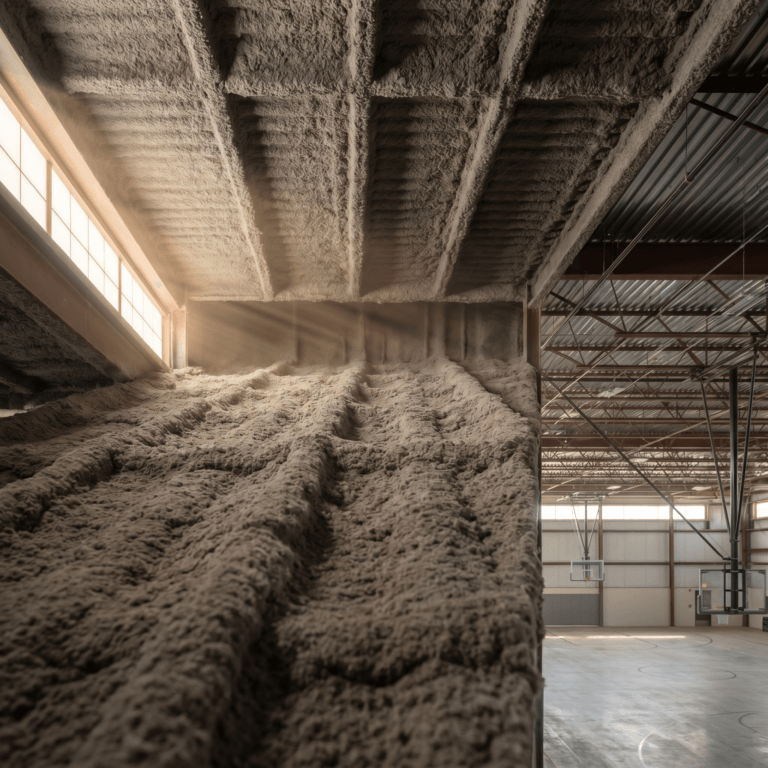
K-13’s sound absorption is often quoted as a single number, but that figure hides the two things that actually determine it: how thick the
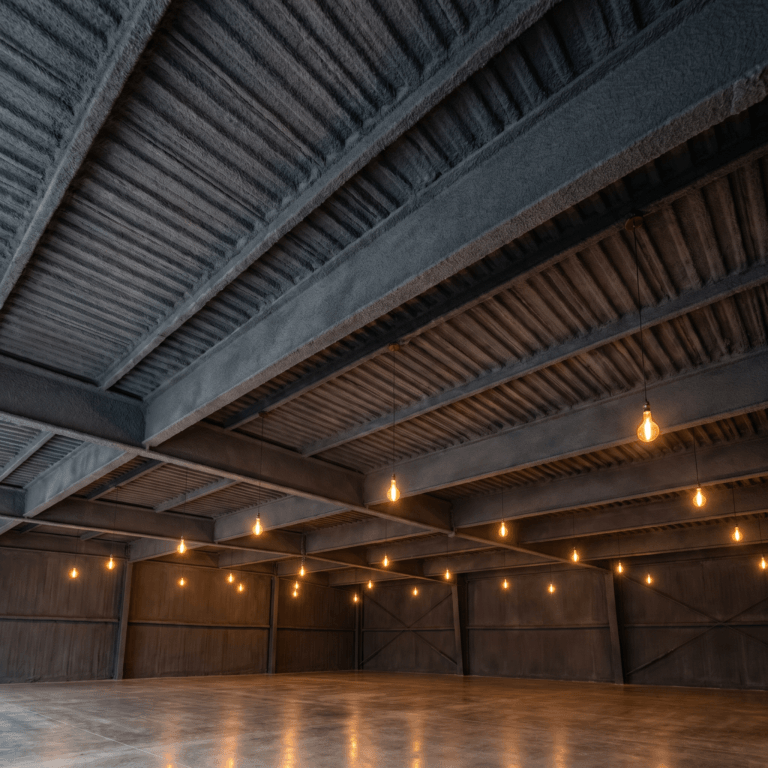
When a design leaves the structure exposed, an open deck, a barrel vault, raw steel and concrete, the ceiling finish has to do two
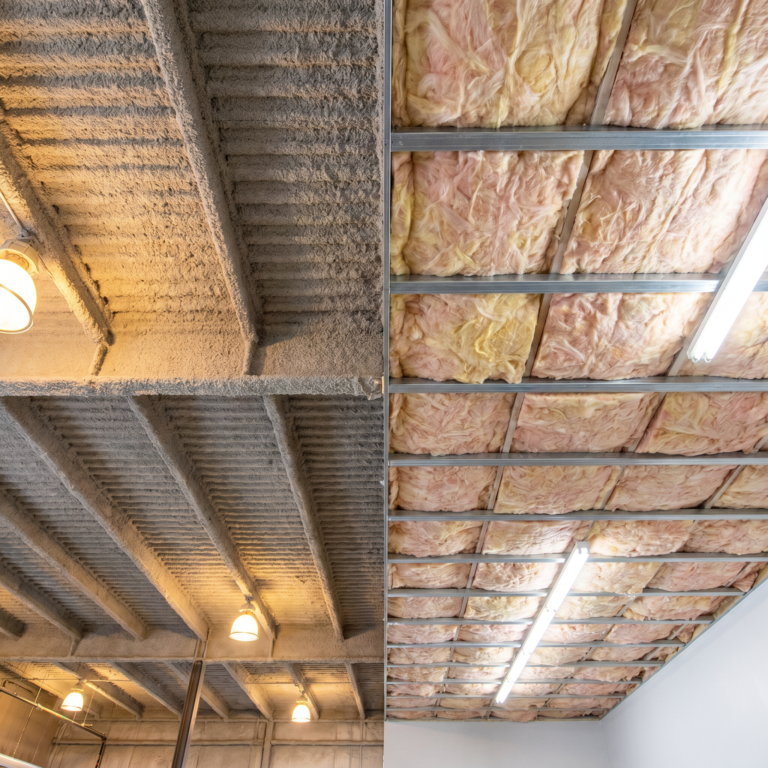
On open-structure commercial ceilings, the insulation question usually comes down to two options, and they are not the same kind of product. This guide
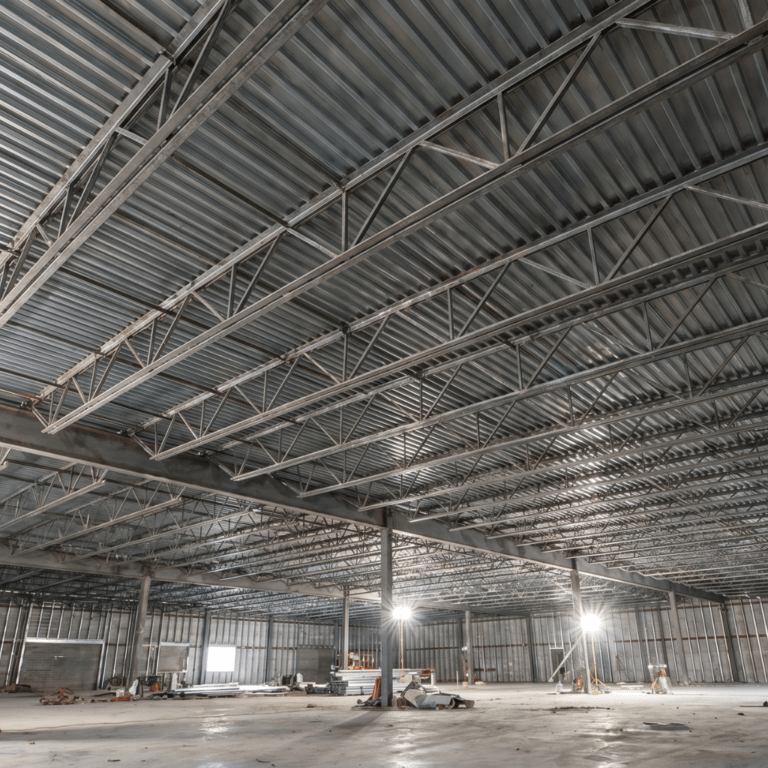
When an open-ceiling warehouse, gymnasium, or distribution center needs both a code-required fire rating and real thermal and acoustic performance, one product cannot do
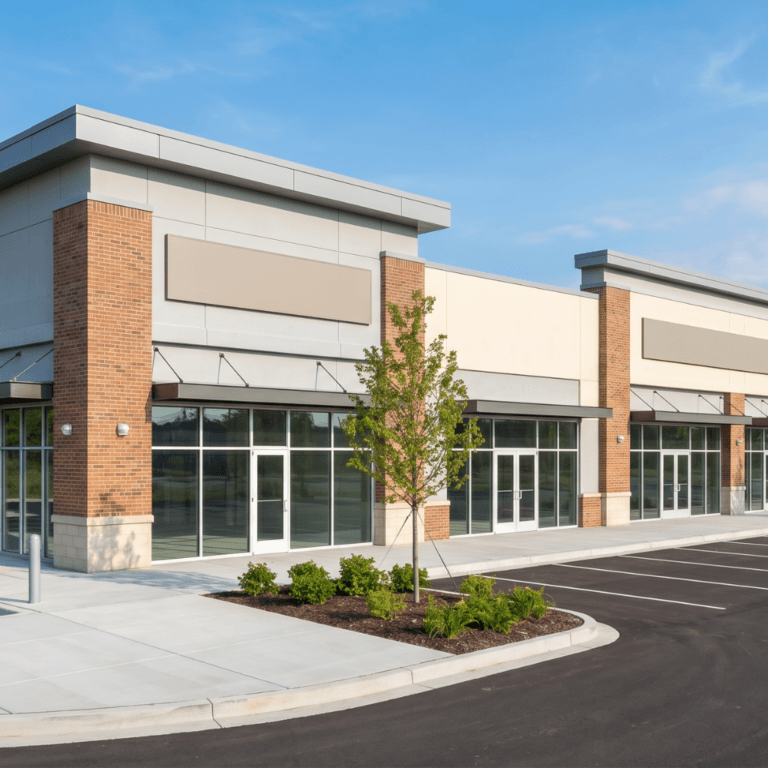
Modern retail design has moved decisively toward open ceilings: exposed metal deck, visible structural steel, no acoustic tile. It looks great in renderings. On
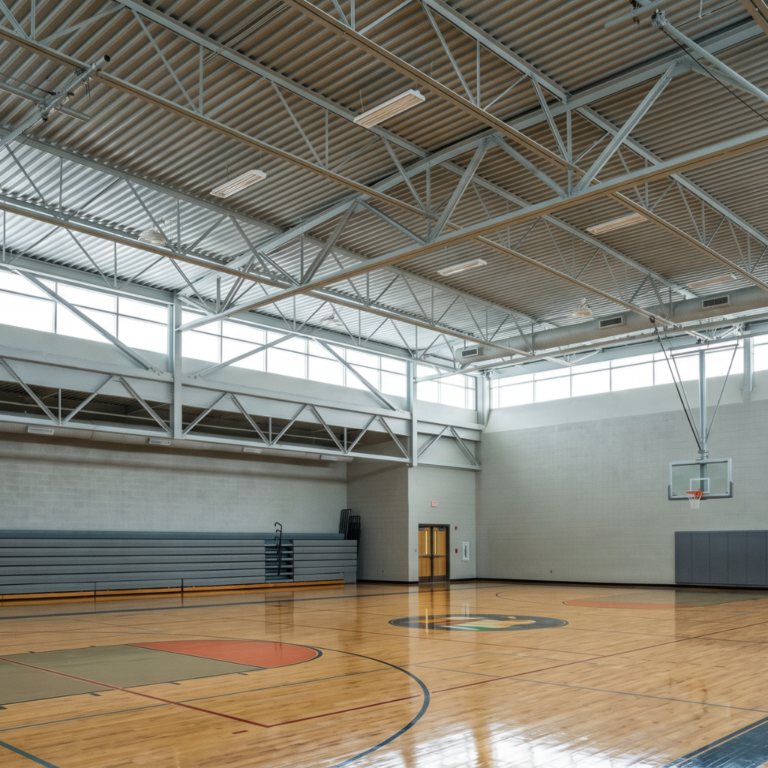
School acoustic insulation is a quieter conversation than school fireproofing, but it determines whether a teacher can hold a fourth-grade class together in a
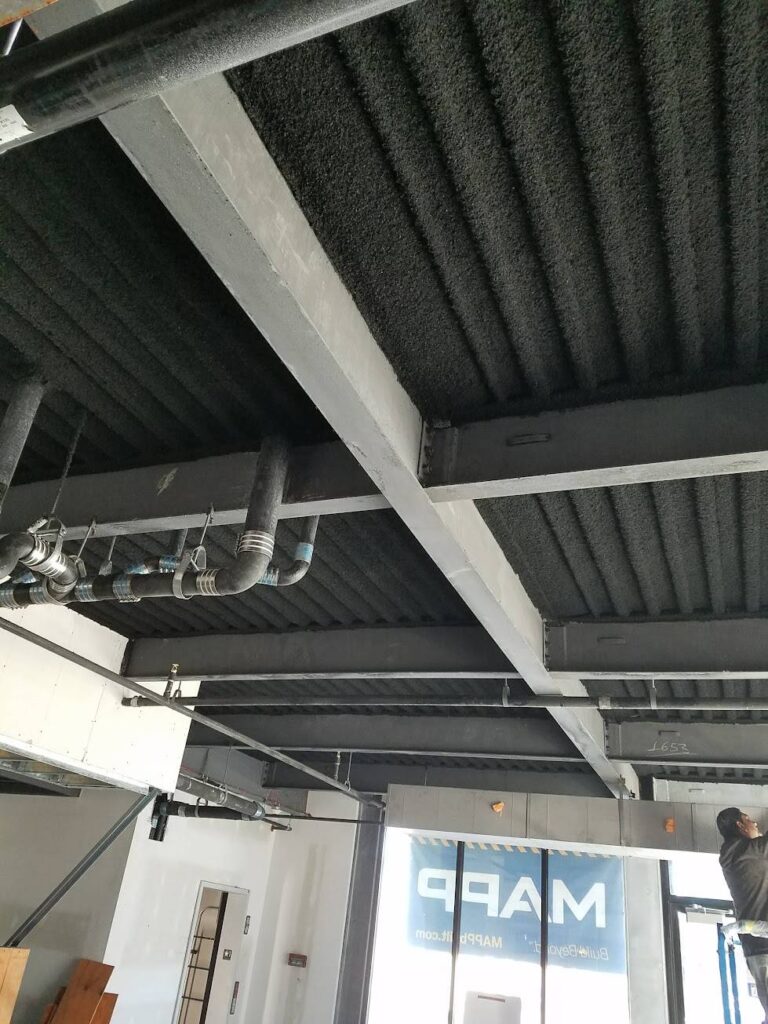
Knowing what K-13 insulation costs before you request bids helps you budget accurately, compare quotes fairly, and avoid surprises that delay commercial construction projects.