
Cementitious vs Intumescent Fireproofing: Which System Fits Your Project?
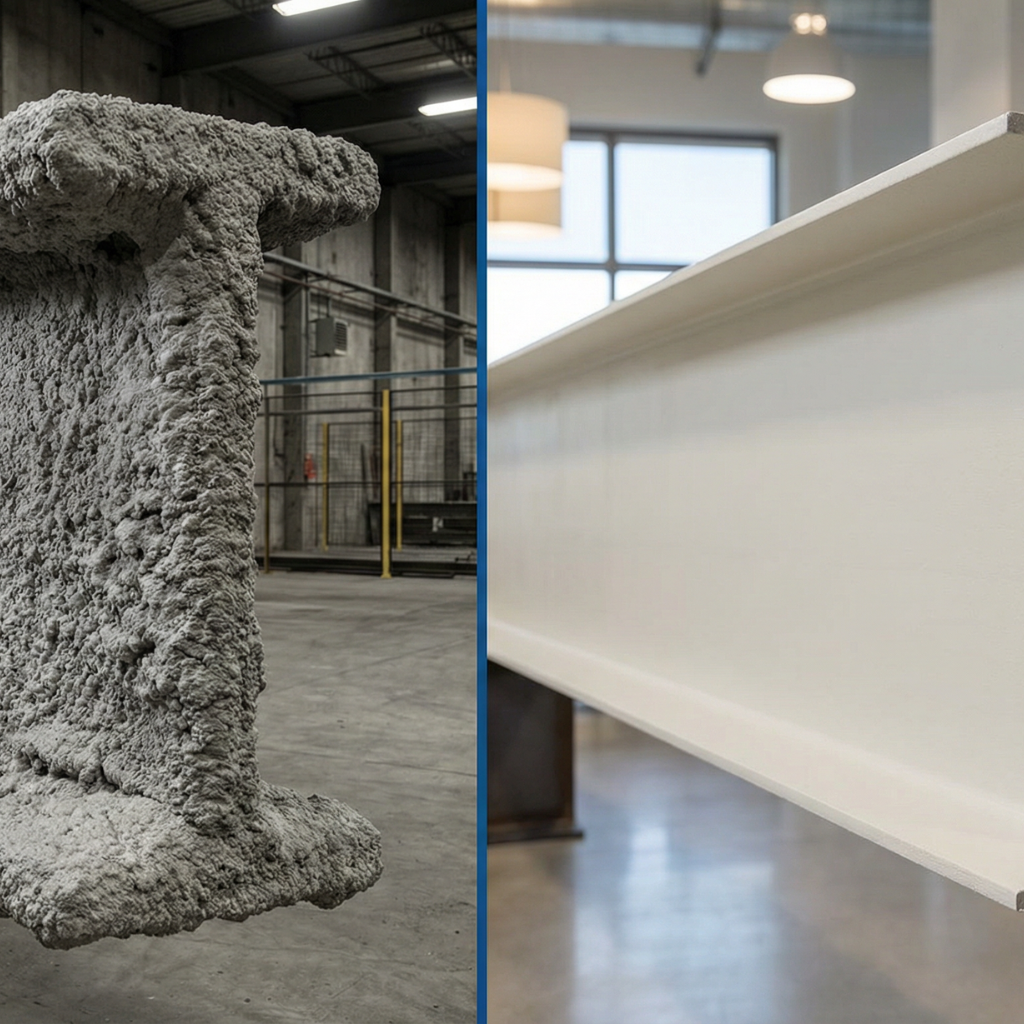
Choosing between cementitious vs intumescent fireproofing comes down to visibility, budget, and performance requirements. Both systems meet the same fire rating standards when properly applied. Cementitious spray-applied fire-resistive materials (SFRM) cost less and work well for concealed steel. Intumescent coatings cost more but deliver a smooth, paint-like finish suitable for architecturally exposed structural elements. Understanding […]
The Fireproofing Inspection Process: A Complete Guide for Building Owners
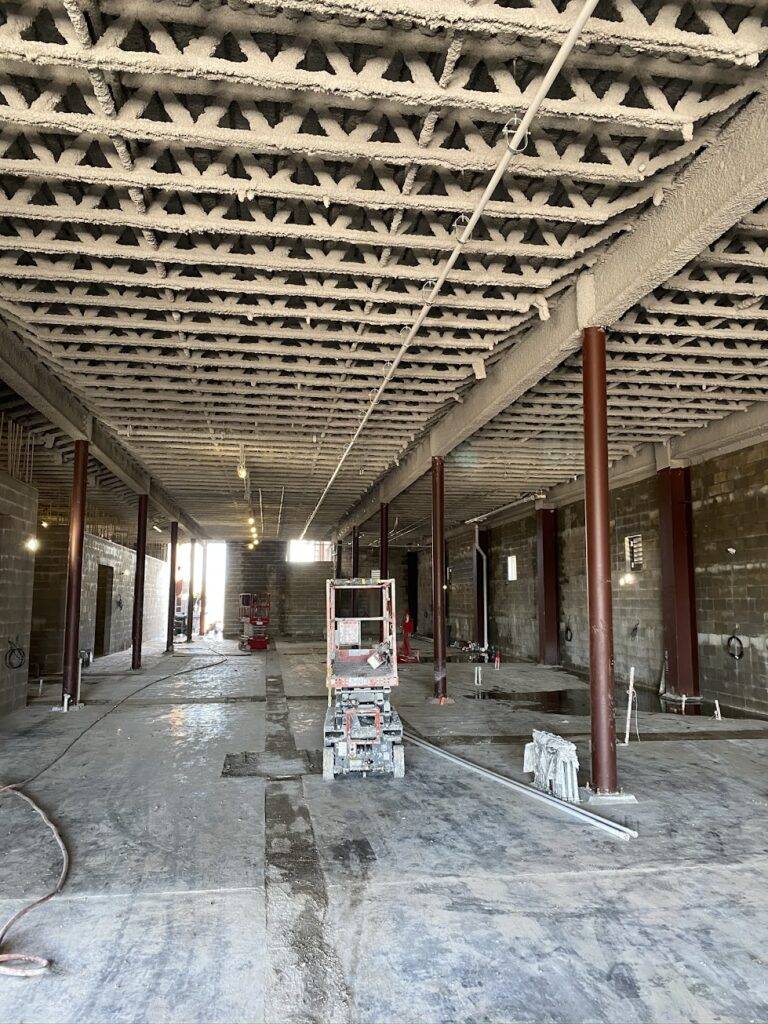
The fireproofing Inspection process is not optional. They are code-mandated requirements that stand between your building and its certificate of occupancy. IBC (2021) Section 1705.15 (Section 1705.14 in the 2018 and earlier editions) requires periodic special inspections during construction, after rough installation of building systems, and before concealment of sprayed fireproofing. Building officials cannot approve […]
Commercial Fireproofing Cost: What to Expect Per Square Foot in 2025

Understanding commercial fireproofing cost per square foot means looking beyond the sticker price. Cementitious spray-applied systems typically range from $5 to $14 per square foot installed, while intumescent coatings run $10 to $30 per square foot depending on fire rating requirements and application complexity. The final number depends on fire rating requirements, steel size and […]
Commercial Fireproofing Requirements: What Building Owners Must Know
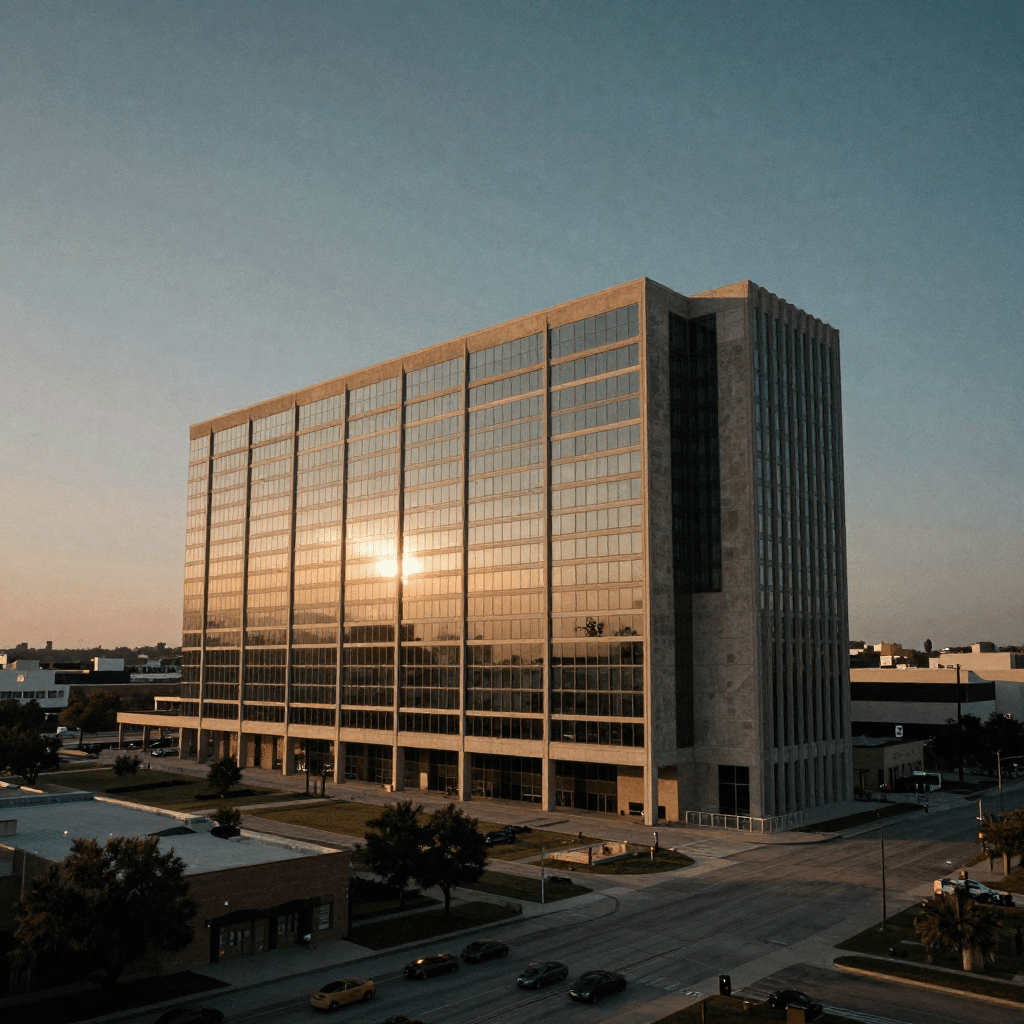
When facility managers and building owners think about commercial fireproofing requirements, many assume construction type tells the whole story. The reality is more complex. Fire-resistance requirements depend on three factors: construction type, structural support relationships, and fire-rated assembly configurations. Type IIB construction offers zero-hour baseline ratings. However, it frequently requires extensive fireproofing when structural members […]
Intumescent Fireproofing: Aesthetics and Fire Protection
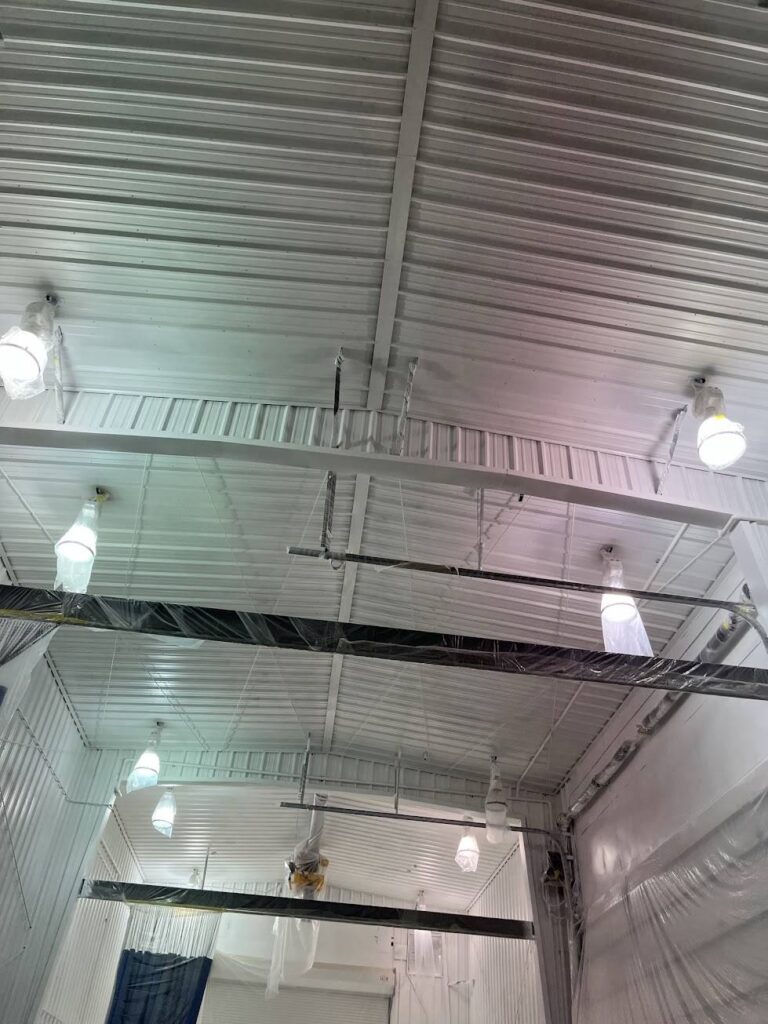
Summary: Intumescent fireproofing provides code-compliant fire resistance while maintaining the architectural appearance of exposed structural steel. These thin-film coatings expand up to 50 times their original thickness when exposed to fire, creating an insulating char layer that protects steel from critical temperature rise. Understanding the chemistry, application methods, and cost considerations helps facility managers and […]
Why Surface Preparation Matters in Commercial Fireproofing
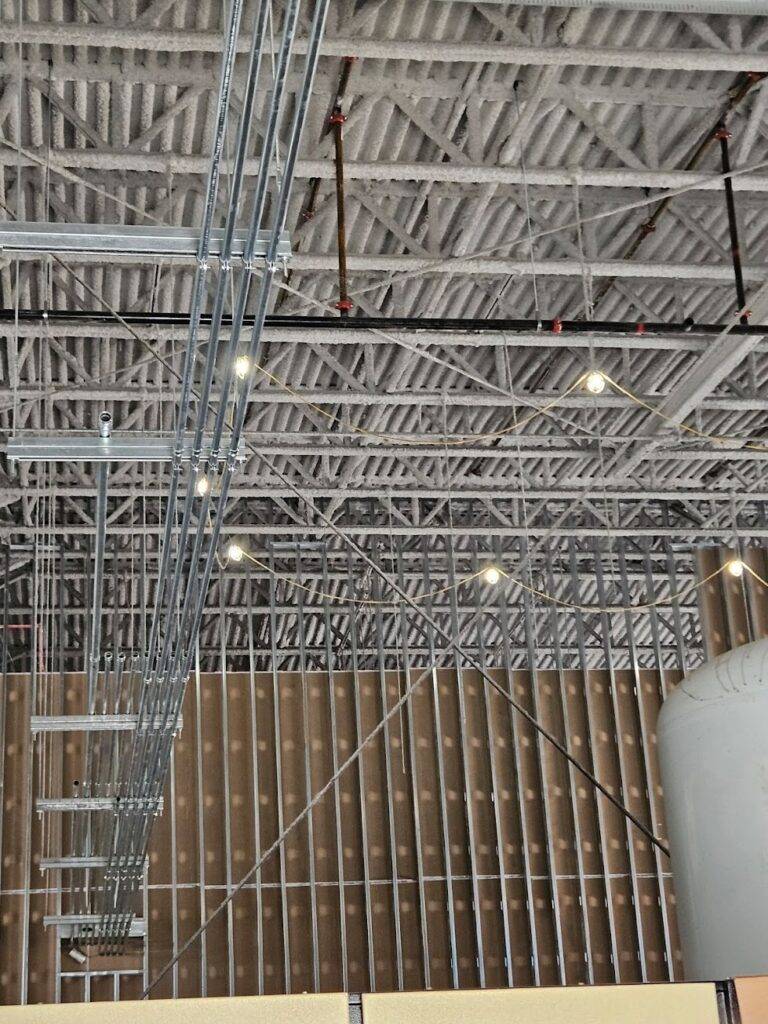
Summary: Surface preparation directly determines whether fireproofing systems perform as designed during fire events. Contaminants like oil, grease, and loose mill scale prevent proper bonding, leading to system failures that compromise structural protection. Understanding code-mandated surface preparation requirements, proper cleaning methods, and inspection protocols ensures fireproofing installations meet International Building Code bond strength minimums and […]
Choosing the Right Commercial Fireproofing System
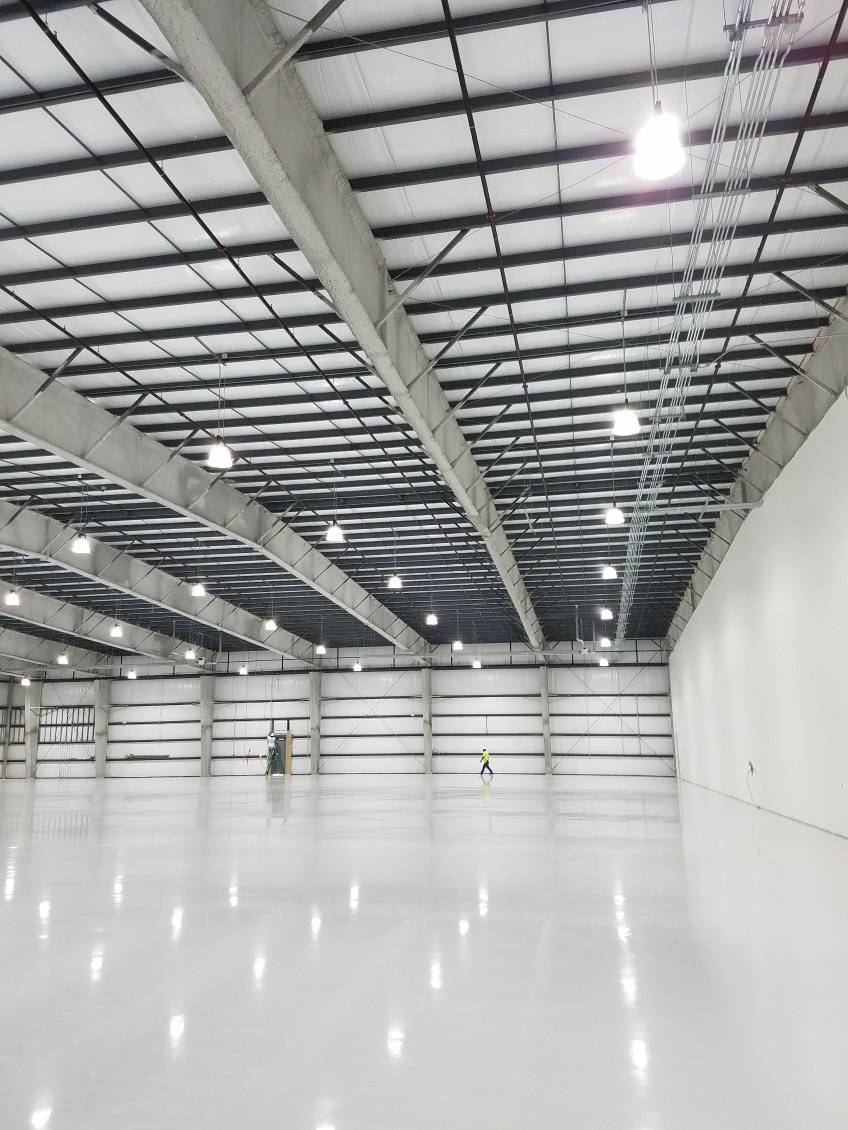
Summary: Selecting the appropriate fireproofing system for structural steel requires understanding code requirements, project constraints, and long-term performance characteristics. This guide examines spray-applied fireproofing, intumescent coatings, and gypsum board encasement to help facility managers and contractors make informed decisions based on verified technical specifications and real-world application requirements. TLDR: Commercial fireproofing systems fall into three […]
K-13 Insulation: Cost Savings and Acoustic Control for Commercial Spaces
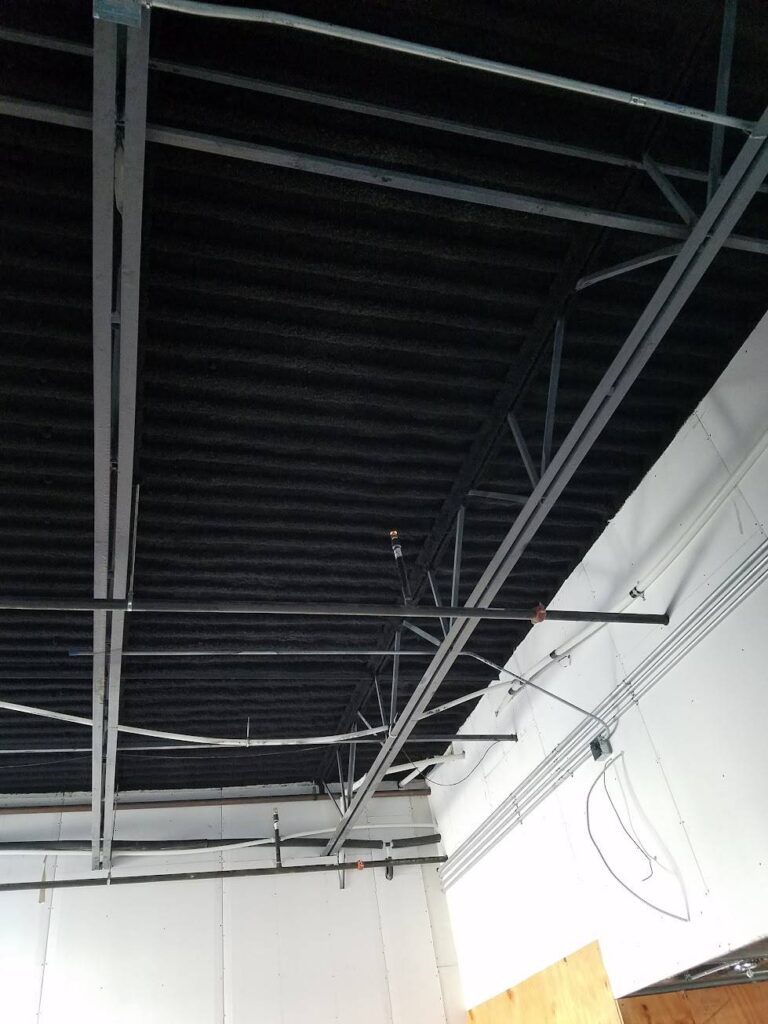
Summary K-13 spray-applied cellulose insulation delivers dual-function performance for commercial and industrial facilities by combining thermal insulation with acoustic control in a single application. This article examines how K-13’s verified R-value of 3.7 to 3.75 per inch and NRC ratings from 0.90 to 1.05 address energy efficiency and noise reduction simultaneously, reducing both installation costs […]
Spray Foam Insulation: Energy Savings and Comfort When Every Dollar Counts
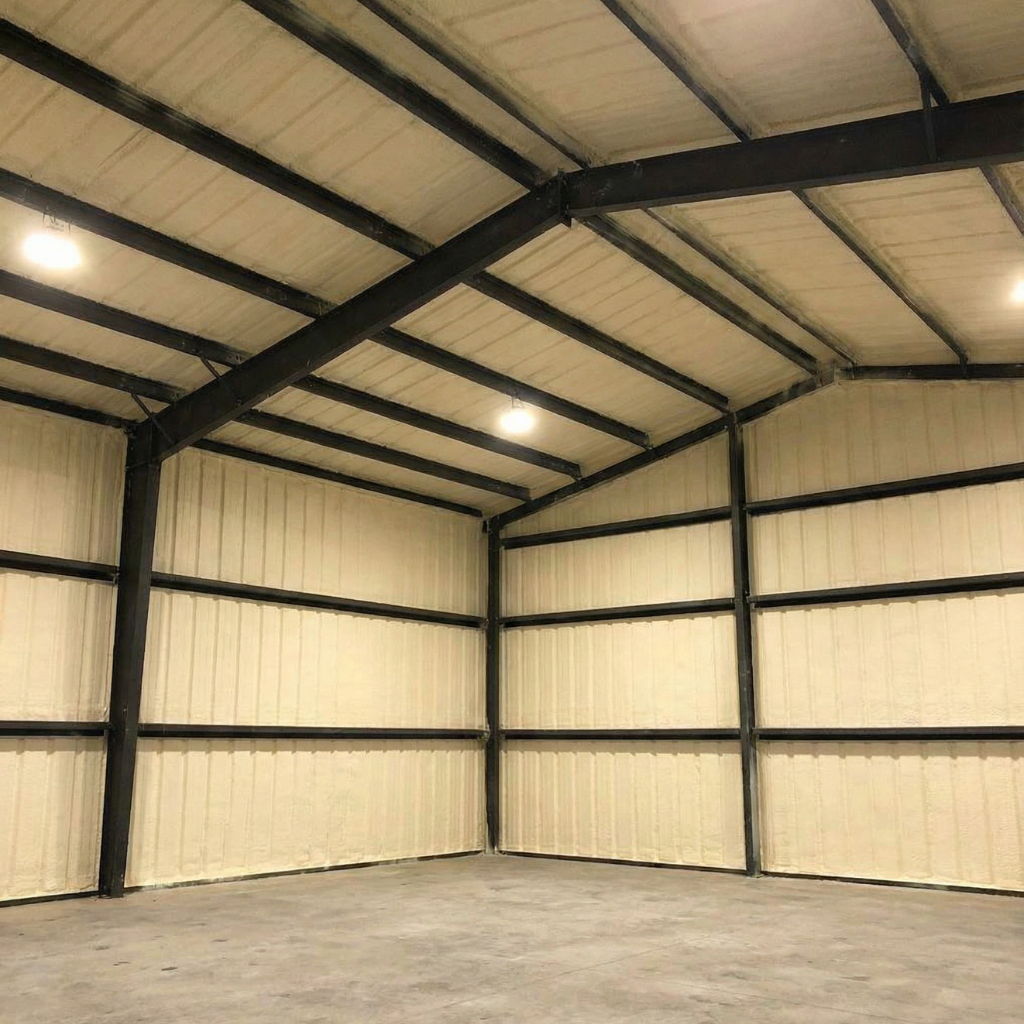
TLDR: Spray foam insulation can deliver verified energy savings, with EPA and DOE studies showing typical reductions up to 15-30% for air sealing and insulation upgrades compared to baseline conditions, along with improved comfort and indoor air quality. In harsh climates across Texas, Kansas, and Oklahoma, closed-cell and open-cell spray foam options provide measurable comfort […]