
Hospital Fireproofing Requirements: Meeting Healthcare Fire Safety Codes

Healthcare facilities housing patients incapable of self-preservation face the most stringent fire protection requirements in building codes. Hospitals cannot be evacuated during fire emergencies due to patients on life support or physically immobile, requiring defend-in-place fire safety strategies. International Building Code Group I-2 occupancy mandates Type I fire-resistive construction with 2-hour to 3-hour structural steel […]
Hospital Acoustic Insulation: K-13 Spray-Applied Solution for Patient Recovery

Hospital acoustic insulation has become more important, as noise levels have doubled since 1960, now reaching 50-72 dBA during daytime hours compared to World Health Organization recommendations of 35 dBA or less. This 15-37 decibel gap between actual conditions and evidence-based targets directly impacts patient recovery outcomes including hospital length of stay, sleep quality, and […]
Intumescent Fireproofing for Warehouse Steel: Aesthetic Fire Protection
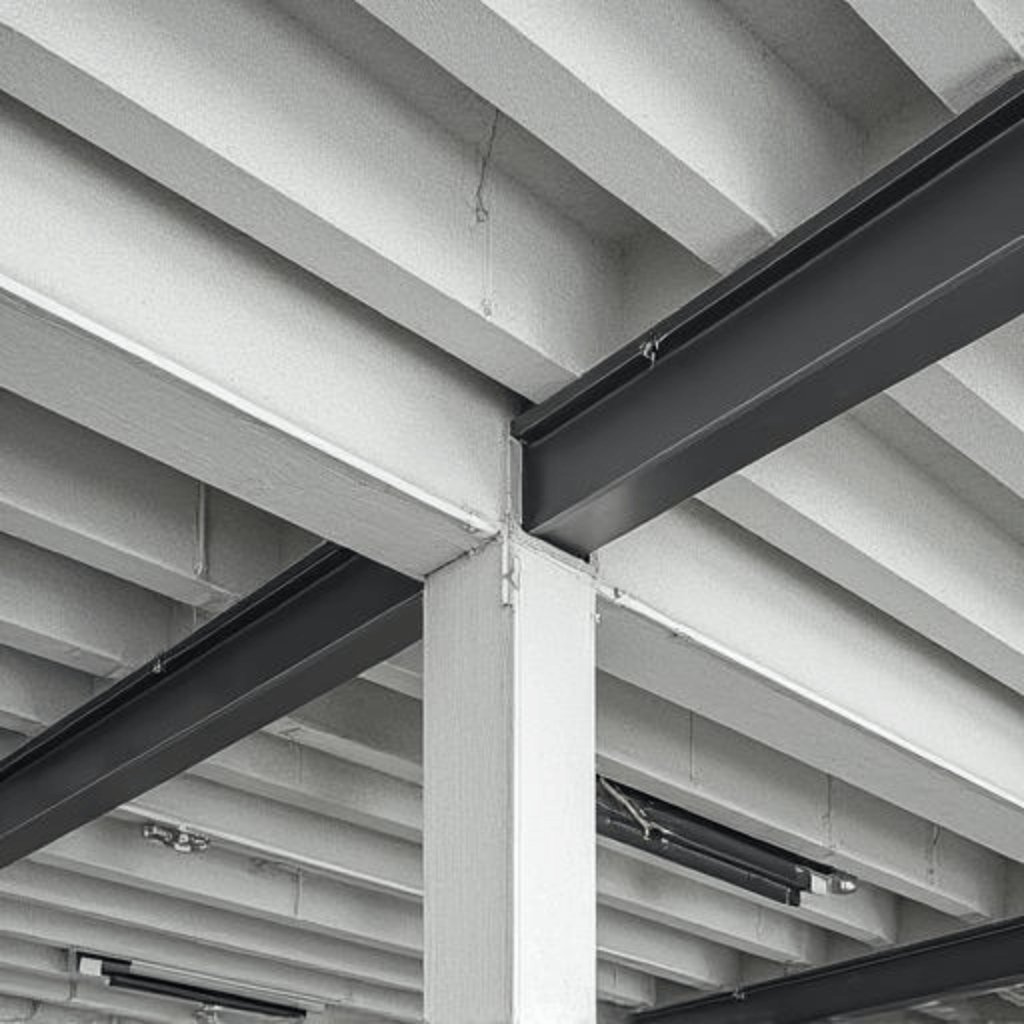
Warehouse facilities with exposed structural steel require fire protection like Intumescent Fireproofing to meet building code requirements while avoiding operational problems created by traditional fireproofing methods. Spray-applied cementitious fireproofing generates airborne particulate contamination, deteriorates over time releasing dust onto inventory and equipment, and requires extensive cleanup during application. Intumescent coatings eliminate dust generation, maintain stable […]
Spray Foam Insulation for Distribution Centers: Energy Efficiency at Scale
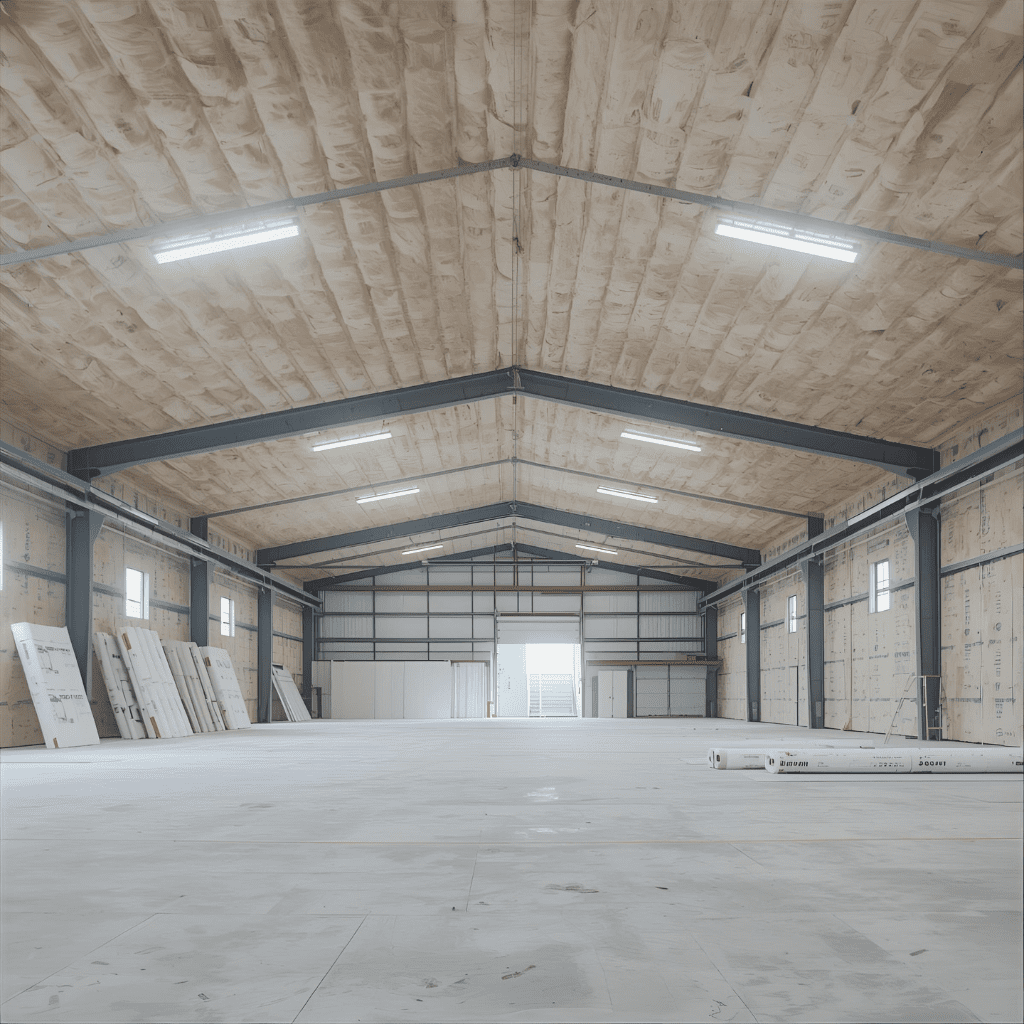
Distribution centers without Spray Foam Insulation in the warehouse operating 24/7 with high ceilings and extensive roof areas face energy bills of $400,000 to $800,000 annually. Metal building construction provides minimal thermal resistance while loading docks create air infiltration. Spray polyurethane foam addresses both insulation and air sealing through single-application systems achieving R-30 to R-40 […]
K-13 Warehouse Insulation: Acoustic Control and Energy Savings

What is K-13 Warehouse Insulation? Warehouse workers struggle to hear safety instructions over forklift noise while facility managers watch energy bills climb from poorly insulated metal buildings. K-13 spray-applied cellulose insulation addresses both warehouse insulation challenges simultaneously through a single application that controls noise and reduces energy costs. TLDR: K-13 warehouse insulation provides combined acoustic […]
High-Bay Warehouse Fireproofing Installation: Avoiding the Mistakes That Blow Budgets
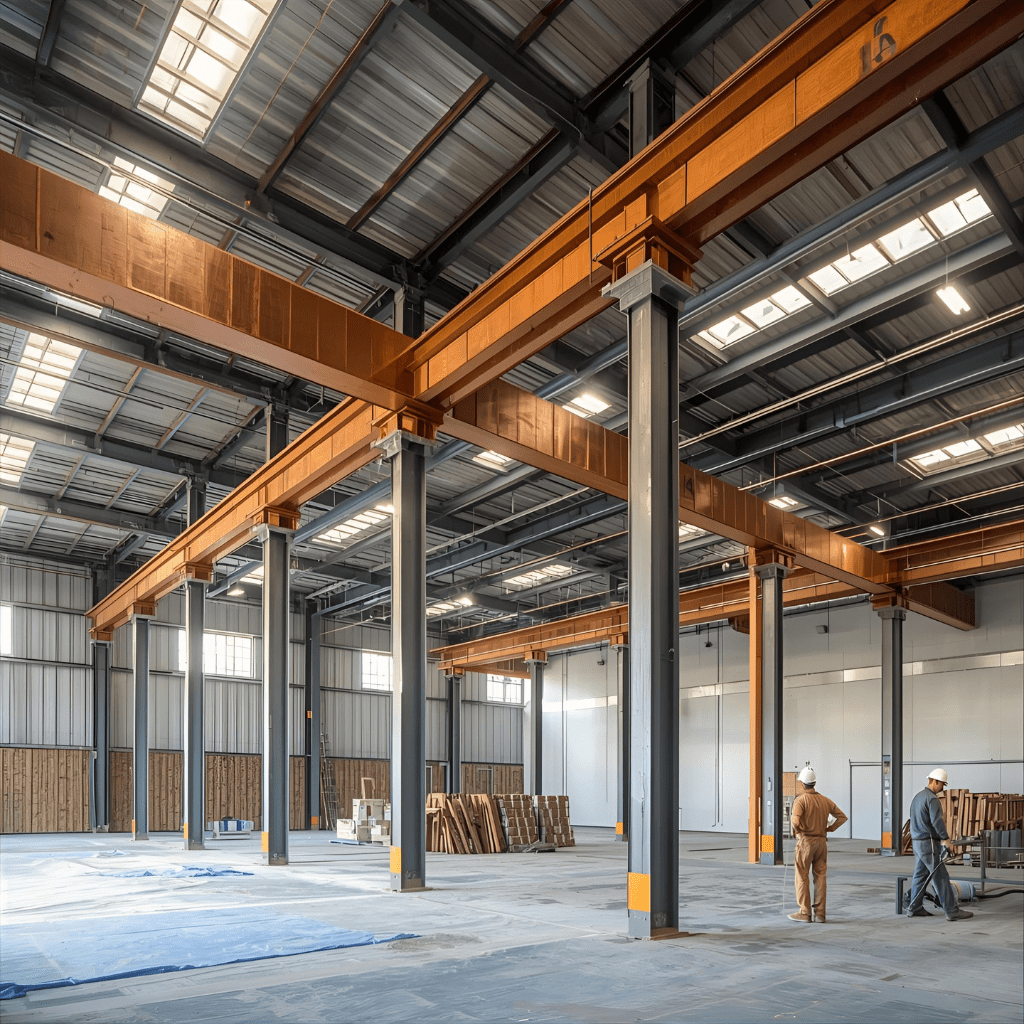
Warehouse fireproofing installation should be straightforward. Spray the steel, pass inspection, move on. Instead, projects face rework, failed inspections, and tens of thousands in unplanned costs because fireproofing gets treated as an afterthought rather than a critical path item. High-bay warehouses create unique warehouse fireproofing installation challenges. Working at 30 to 50 feet, coordinating around […]
Warehouse Fireproofing: Protecting High-Bay Steel Structures
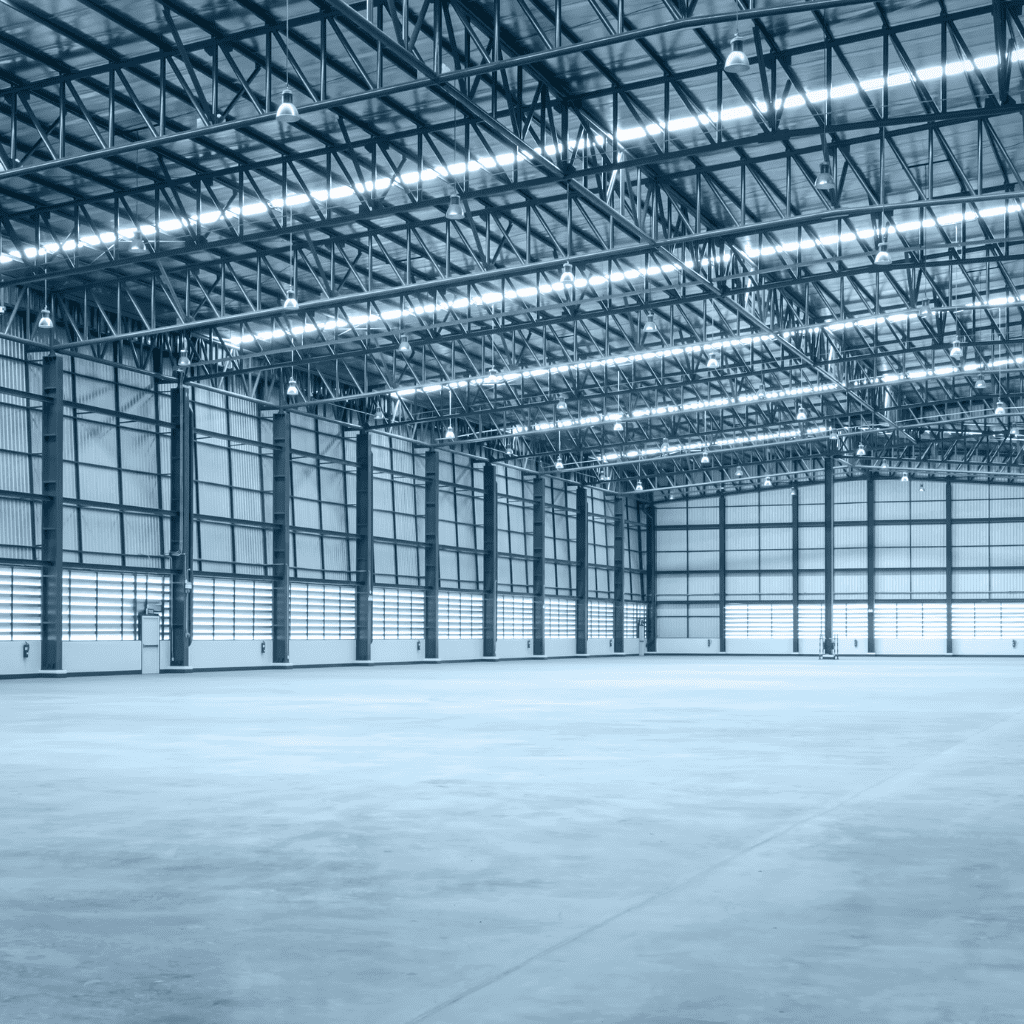
Warehouse fireproofing requirements catch many developers off guard during plan review. Type II-B construction appears to eliminate fire-resistance requirements, but warehouses storing combustible materials face mandatory fireproofing regardless of construction type. Understanding when warehouse fireproofing transitions from optional to legally required prevents costly mid-construction corrections and inspection failures. This guide breaks down warehouse fireproofing code […]
Types of Intumescent Fireproofing: Which Coating Fits Your Project?
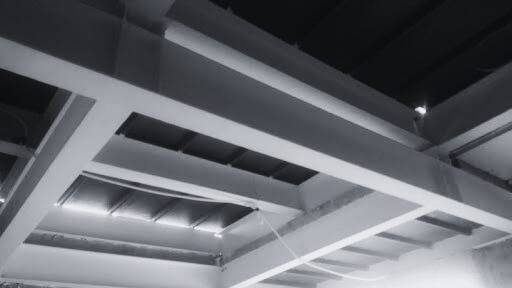
Not all Types of Intumescent Fireproofing perform the same way. Water-based, solvent-based, and epoxy-based formulations each serve distinct applications, and selecting the wrong type creates problems ranging from coating failures to budget overruns. Understanding the types of intumescent fireproofing helps architects, facility managers, and contractors match fireproofing performance to project requirements. This guide breaks down […]
Fireproofing Code Compliance: What Every Building Owner Needs to Know
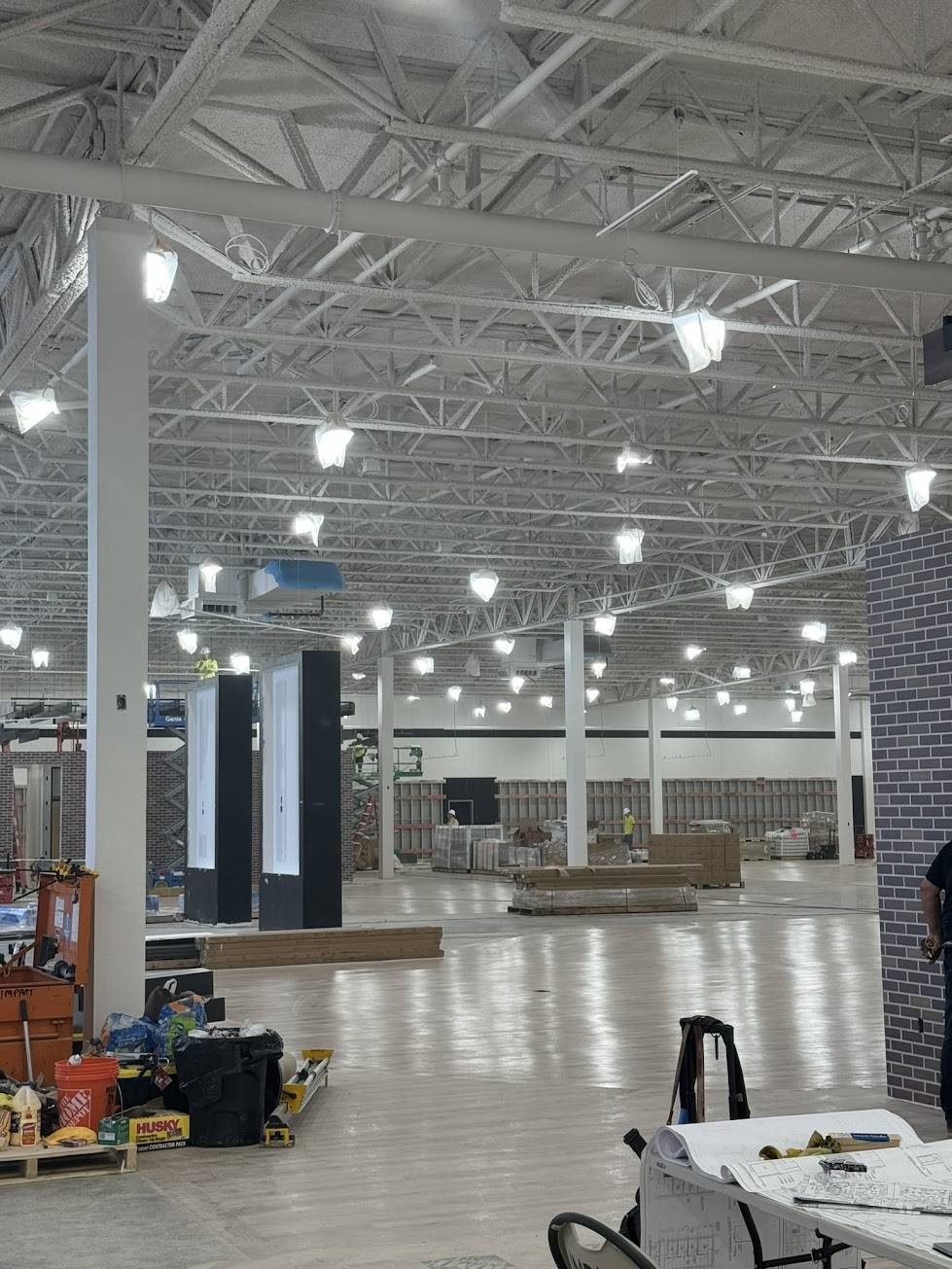
Fire-resistance ratings protect more than steel. They protect occupants, investments, and legal standing. Fireproofing code compliance encompasses IBC Chapter 7 requirements, ASTM E119 testing standards, UL-listed assemblies, and special inspection protocols that determine whether your building receives a certificate of occupancy. Missing any component creates liability exposure that extends well beyond construction delays. This guide […]