Bahl Fireproofing is headquartered in Round Rock, in the Austin metro, which makes Austin our home market rather than a remote service area. Austin’s commercial construction, a downtown high-rise boom, semiconductor and tech manufacturing, data centers, and healthcare campuses, all needs code-compliant structural fireproofing on its steel. This page covers the fireproofing Austin buildings need and the advantage of working with a local contractor.
TLDR: Bahl Fireproofing is based in Round Rock, part of the Austin metropolitan area, so Austin is home turf, not a market we serve from a distance. Austin commercial construction, downtown towers, semiconductor and electric-vehicle manufacturing, data centers, and healthcare, all needs structural fireproofing on its steel to meet code. We provide spray-applied fireproofing, intumescent coatings, and spray insulation across the Austin fireproofing market with local code knowledge and field experience.
Few large cities have grown like Austin over the past decade, and the construction has followed: high-rise towers reshaping the downtown skyline, major semiconductor and electric-vehicle plants on the metro’s edges, data centers across Central Texas, and expanding medical campuses. Different as those projects are, each steel-framed building among them faces the same structural question. Is the steel protected to the fire-resistance rating the code requires, applied correctly, and documented for inspection? Being based in the Austin metro, that is work we know firsthand.
A Local Austin Fireproofing Contractor
Bahl Fireproofing’s headquarters in Round Rock places us inside the Austin metropolitan area, so Austin is home rather than a market reached from elsewhere. That proximity is a practical advantage on a project: familiarity with the local code landscape and the building officials who review the work, an understanding of Central Texas construction conditions, and the responsiveness that comes with being nearby rather than driving in from another region.
For general contractors and building owners in Austin, that means a commercial fireproofing partner who works in this market every day. The materials and code standards are the same anywhere, but knowing how a specific jurisdiction handles fireproofing inspections, and being able to respond quickly, is where a local contractor earns its place on a fast-moving Austin fireproofing project.
Commercial Fireproofing Services in Austin
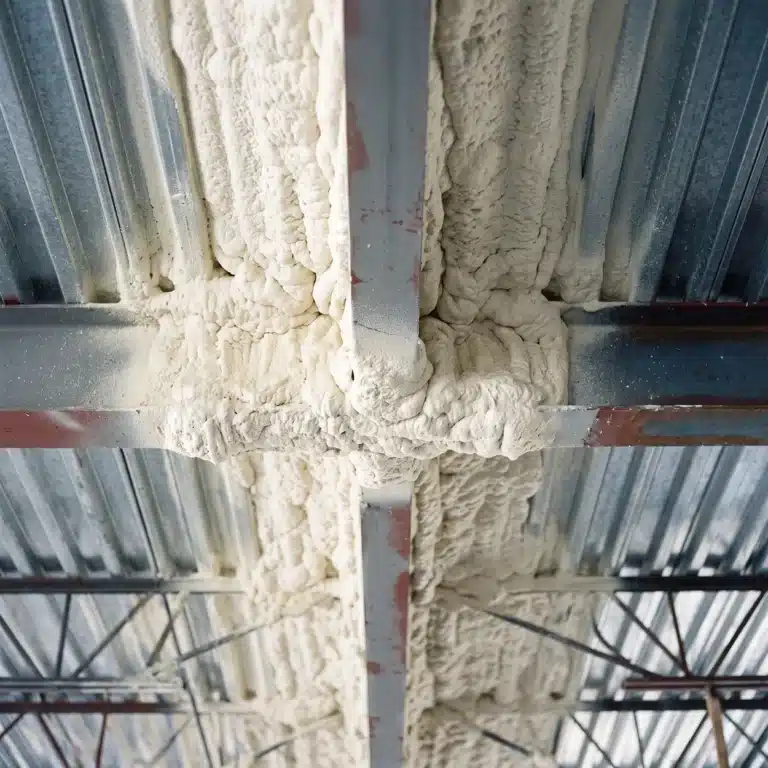
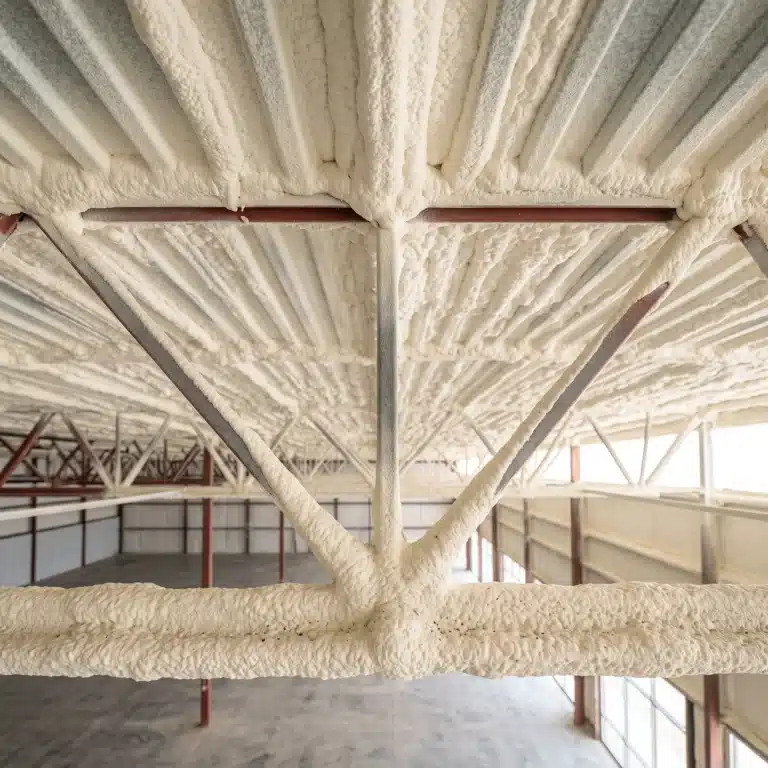
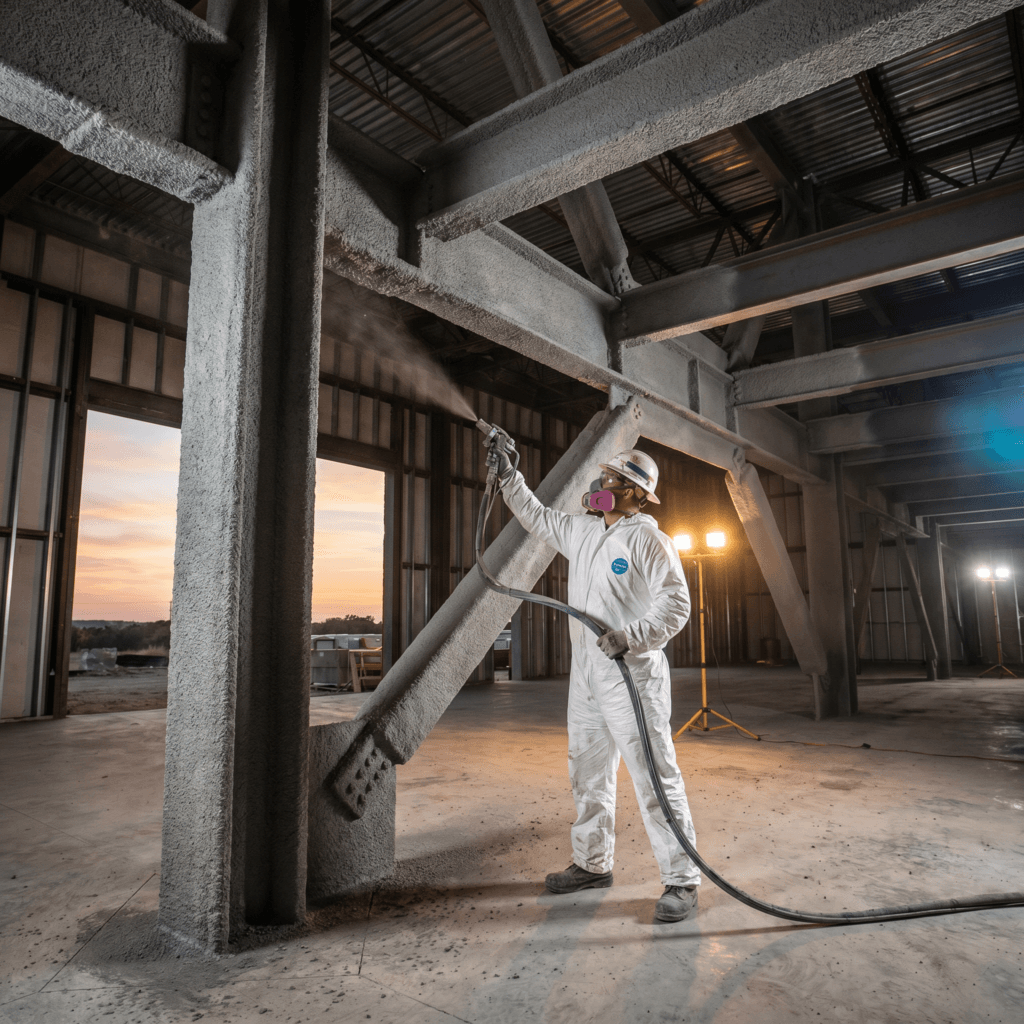
We provide the full range of commercial fire protection that Austin’s building types call for. Spray-applied fire-resistive material protects concealed structural steel in towers, data centers, and manufacturing plants. Intumescent coatings give exposed architectural steel a thin, paintable fire rating where the structure is part of the design, common in Austin’s high-end commercial, hospitality, and creative-office interiors. Spray foam and K-13 spray-applied insulation handle the envelope and acoustic work that often accompanies a fireproofing scope.
Matching the system to the building is the whole point, which is why every project starts from its specific requirements rather than a default product. Across the Austin fireproofing market, that ranges from concealed steel frames in high-rises to exposed feature steel in showcase spaces, each protected to what its building and occupancy demand.
What Austin Commercial Buildings Need
Austin commercial buildings need structural fireproofing based on their construction type and occupancy, with the required fire-resistance ratings established by testing assemblies to ASTM E119. A steel-framed tower, data center, or manufacturing plant has to protect its structural members to a rating measured in hours, and on a new build that fireproofing is verified by special inspection under IBC Section 1705.15 before it is concealed.
Austin’s downtown high-rise construction raises the bar further. High-rise buildings over 75 feet carry enhanced bond strength requirements for the fireproofing, with the minimum rising with building height, and that bond is verified in the field per ASTM E736. For the towers redefining the Austin skyline, that means a product and density selected to meet the stricter high-rise tiers, not a baseline interior spec.
Austin’s Commercial Construction Market
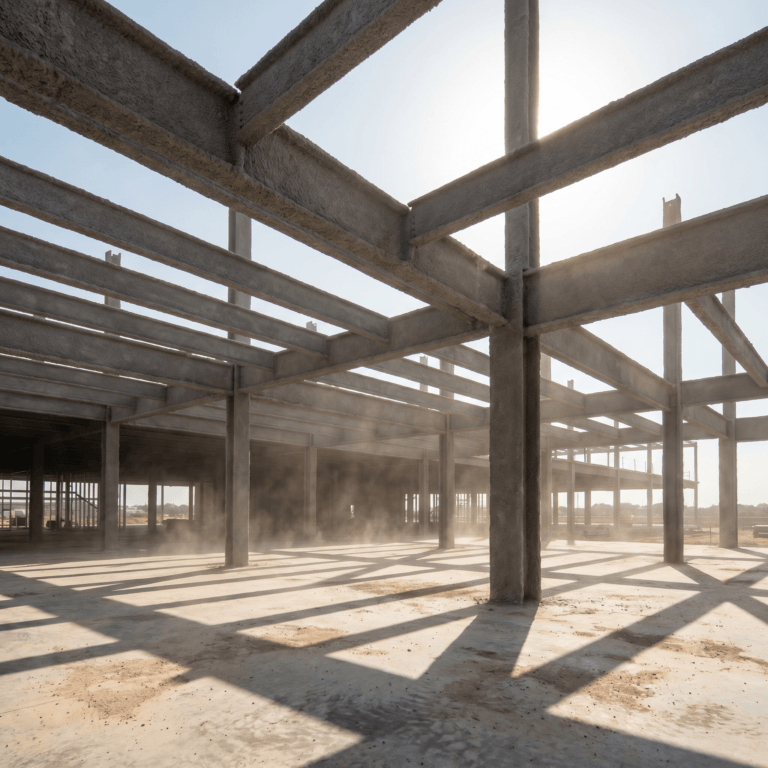
Austin’s commercial growth runs across several high-demand sectors, each generating fireproofing work. The downtown high-rise boom has produced office, hotel, and residential towers at a pace few markets match. Major semiconductor and electric-vehicle manufacturing investment has brought large industrial plants to the metro’s edges. Data center development continues across Central Texas, and healthcare construction expands with the region’s population. Each of these puts up steel that needs code-compliant fire protection.
After two decades fireproofing across Texas, the change in the Austin market has been dramatic, and the through line for Austin fireproofing is steel that needs protection across very different building types. The same core competence, protecting structural steel to its required rating, applies whether the project is a forty-story tower, a chip fab, or a data center, with the material and approach tuned to each.
Why Local Code Knowledge Matters in Austin
Texas is a home-rule state, which means the building code in force is adopted locally rather than mandated uniformly across the state, so the requirements and the review process in Austin are set by the city and its authority having jurisdiction. Being based in the metro, we know how local building officials handle fireproofing inspections and what documentation they expect, which is part of keeping a project moving. Central Texas heat and humidity also factor into application conditions on every job.
In our experience on Austin commercial projects, clean inspections come down to preparation and documentation as much as the spraying itself. Getting the substrate right, applying the listed system to specification, and producing the records inspectors require is what gets fireproofing signed off rather than reopened, and doing that consistently in our home market is what we are built for.
Serving Austin and the Broader Texas Market
While Austin is home, Bahl Fireproofing serves projects throughout Texas, along with Kansas and Oklahoma. That regional reach is backed by a home base in the Austin metro, so Austin clients get both local presence and the experience of a contractor working across a wide commercial and industrial market. For general contractors and building owners in Austin, that combination is an Austin fireproofing partner who is genuinely local and broadly experienced at once.
Frequently Asked Questions
Is Bahl Fireproofing local to Austin? Yes. Bahl Fireproofing is headquartered in Round Rock, part of the Austin metropolitan area, so Austin is our home market rather than a region we serve from a distance. We provide commercial and industrial fireproofing across the metro and the broader Texas, Oklahoma, Kansas, Nebraska, Minnesota, and Wisconsin region.
What fireproofing do Austin commercial buildings need? Structural fireproofing on their steel, based on the building’s construction type and occupancy. That typically means spray-applied fire-resistive material on concealed steel and intumescent coating on exposed architectural steel, applied to the fire-resistance rating the code requires, with stricter bond requirements on high-rise towers.
Does Austin follow the same fire code as the rest of Texas? Not automatically. Texas is a home-rule state, so the building code is adopted locally, and Austin sets its own through its authority having jurisdiction. The applicable requirements should always be confirmed with the local building officials for a specific project.
What building types does Bahl fireproof in Austin? High-rise office, hotel, and residential towers, data centers, semiconductor and manufacturing plants, healthcare facilities, and other commercial structures. The common factor is structural steel that needs code-compliant fire protection, with the material matched to each building type.
How do I get a fireproofing quote in Austin? Reach out directly by phone or email, or through the contact page, with your project details. As an Austin-area contractor, we provide estimates for commercial and industrial fireproofing across the metro and the broader region.
Key Takeaways
- We are local to Austin. Bahl Fireproofing is headquartered in Round Rock, inside the Austin metro, not serving the city from a distance.
- Austin fireproofing spans sectors. High-rise towers, semiconductor and EV manufacturing, data centers, and healthcare all generate fireproofing work.
- Steel needs code-compliant protection. Fireproofing is set by construction type and occupancy, rated to ASTM E119 and inspected under IBC (2021) Section 1705.15 (Section 1705.14 in the 2018 and earlier editions).
- High-rise raises the bar. Downtown towers over 75 feet carry stricter bond strength requirements, verified per ASTM E736.
- Local code knowledge matters. Texas is home-rule, so Austin’s requirements are set locally and confirmed with the city’s authority having jurisdiction.
- Local plus regional. A home base in the Austin metro backed by experience across Texas, Kansas, and Oklahoma.
Related Reading
- Building a tower? Read fire ratings for structural steel explained.
- Working on a data center? See intumescent fireproofing for data centers.
- Manufacturing or fab project? Read intumescent fireproofing for manufacturing.
If you are building or developing commercial property in Austin and need structural fireproofing handled right and inspection-ready, you have a contractor based right here in the metro with the materials, code knowledge, and field experience to deliver. Bahl Fireproofing serves Austin and projects throughout Texas, Oklahoma, Kansas, Nebraska, Minnesota, and Wisconsin. Reach me directly at 512-387-2111 or ross@bahlfireproofing.com, or Contact Bahl Fireproofing to discuss your project and request an estimate.
This article provides general educational information about commercial fireproofing in the Austin market. It is not engineering advice and does not replace project-specific direction from a licensed architect or engineer. Building code adoption, fire-resistance ratings, high-rise bond strength requirements, and inspection requirements are set locally and vary by jurisdiction, so confirm the applicable requirements with the Austin authority having jurisdiction and a licensed architect or engineer before specifying or installing any system.