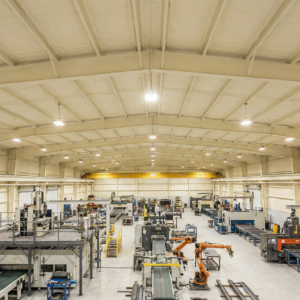
Spray Foam Insulation for Industrial Buildings: Energy Savings in Manufacturing
Air infiltration is the single largest source of energy waste in most manufacturing facilities. According to National Institute of Standards and Technology (NIST) and

Air infiltration is the single largest source of energy waste in most manufacturing facilities. According to National Institute of Standards and Technology (NIST) and
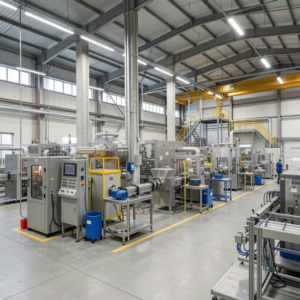
Every manufacturing facility owner knows the sound. Stamping presses hammering at 95 to 101 dBA. Compressors running at 90 to 100 dBA. Metal-cutting machines

Parking garages put structural steel through conditions that most commercial buildings never see. Rain, road salt, freeze-thaw cycling, vehicle exhaust, UV exposure, and now
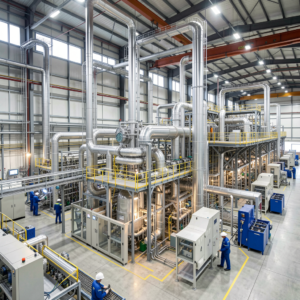
Manufacturing plants combine heavy machinery, chemical processes, and high-value equipment under one roof, and a single fire can shut down operations for months. According
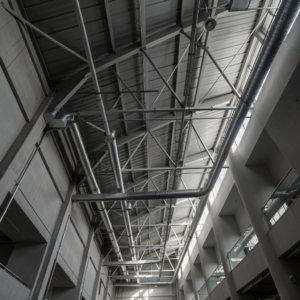
Open ceilings are everywhere. Walk into any new restaurant, brewery, coffee shop, or retail store and you will see exposed ductwork, pipes, and structural
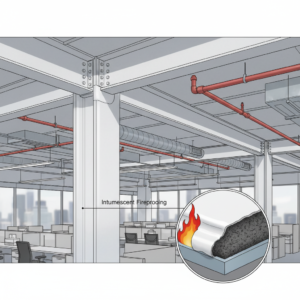
You installed intumescent fireproofing on your facility’s exposed steel beams five years ago. Now you have a building inspection notice on your desk. Does
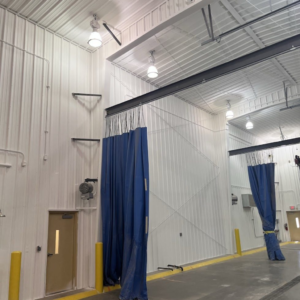
You own a 20-year-old office building. A recent inspection flagged that your exposed structural steel beams don’t have adequate fire protection. You face two
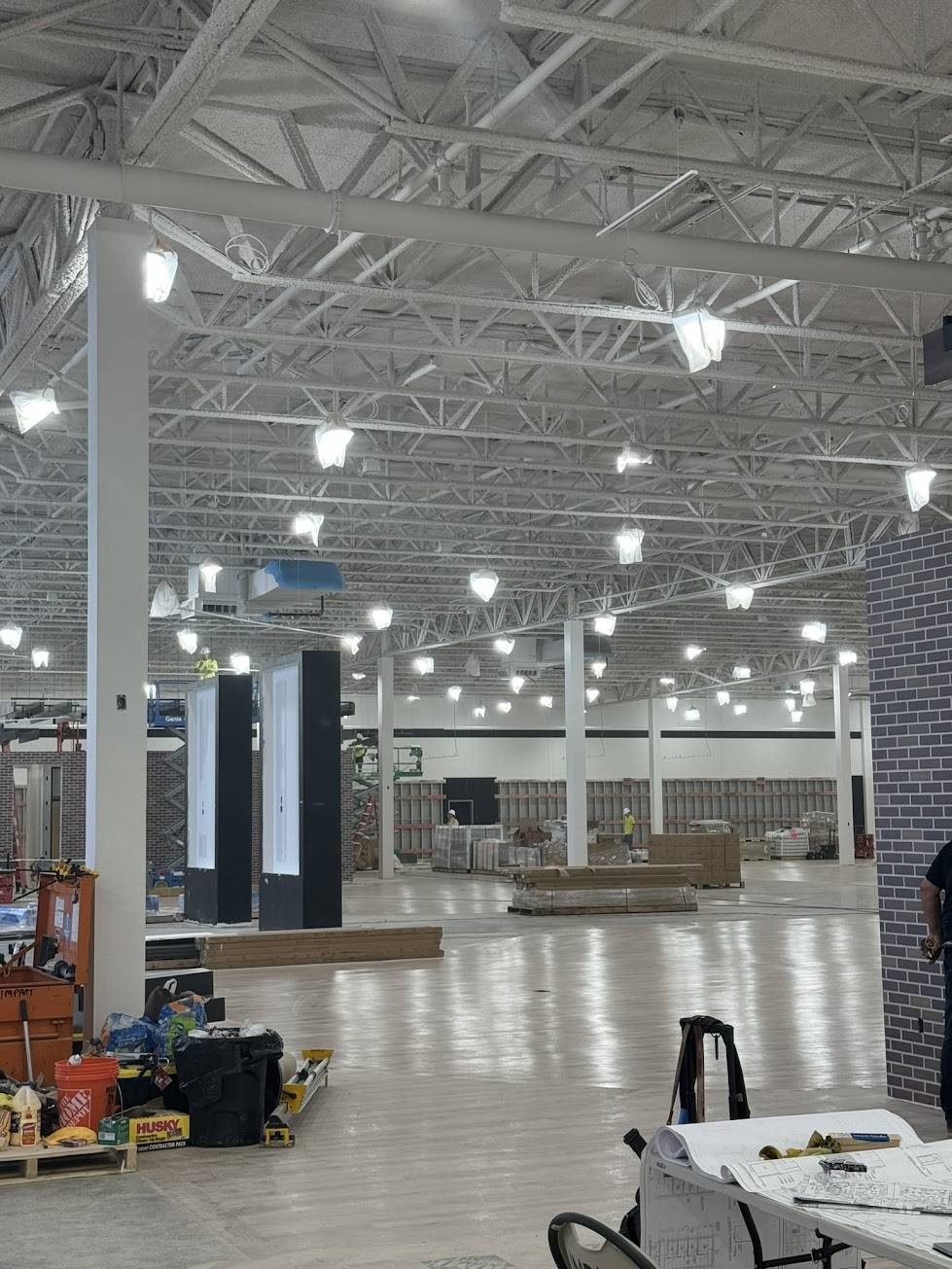
When you are specifying fire protection for structural steel in 2026, the choice between intumescent vs cementitious fireproofing affects everything: how your building looks,

Intumescent fireproofing cold storage steel structures requires specialized coating formulations tolerating extreme temperature cycling from ambient conditions during construction to operational temperatures ranging from