Commercial Spray Foam Insulation: Closed-Cell and Open-Cell Guide
Choosing between closed-cell and open-cell spray foam for a commercial building depends on far more than R-value per inch. Climate zone, vapor drive direction,

Choosing between closed-cell and open-cell spray foam for a commercial building depends on far more than R-value per inch. Climate zone, vapor drive direction,

From density selection and bond strength requirements to IBC code compliance, special inspections, and installed cost, this guide covers everything contractors, architects, and specifiers

Fire-resistance ratings, construction types, testing standards, and special inspections: commercial fireproofing code compliance involves multiple overlapping IBC requirements that determine what fire protection your
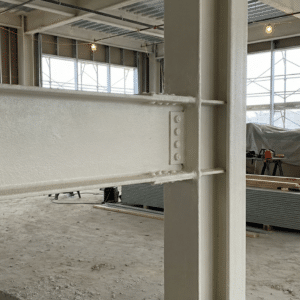
From coating chemistry and fire rating standards to dry film thickness requirements and real-world cost factors, this guide covers everything building owners, general contractors,
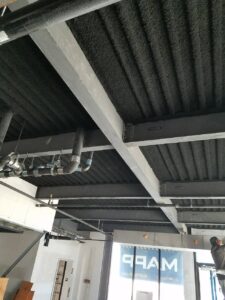
Knowing what K-13 insulation costs before you request bids helps you budget accurately, compare quotes fairly, and avoid surprises that delay commercial construction projects.
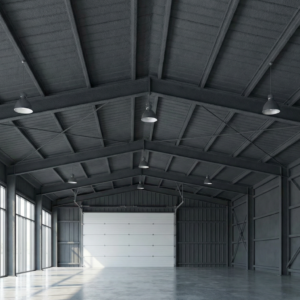
From thermal performance and acoustic control to fire safety and code compliance, this guide covers everything building owners, general contractors, architects, and engineers need
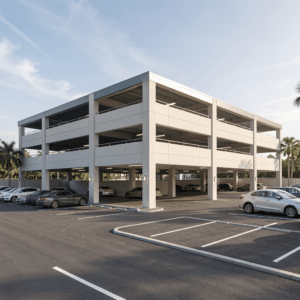
Parking garage insulation is one of the most overlooked specifications in multi-level construction, yet it solves three problems that architects and developers consistently underestimate:
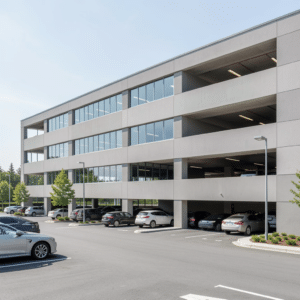
Parking garage fireproofing is one of the most misunderstood areas of commercial fire protection. Most building owners and specifiers treat parking garages like any
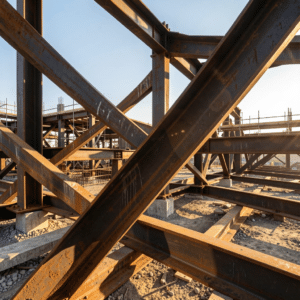
Manufacturing buildings push structural steel and every coating on it to the limit. Chemical splash, machine vibration, forklift impacts, temperature swings, and airborne contaminants