Intumescent Fireproofing: Aesthetics and Fire Protection
Summary: Intumescent fireproofing provides code-compliant fire resistance while maintaining the architectural appearance of exposed structural steel. These thin-film coatings expand up to 50 times their original thickness when exposed to fire, creating an insulating char layer that protects steel from critical temperature rise. Understanding the chemistry, application methods, and cost considerations helps facility managers and architects select the right intumescent system for projects where steel remains visible as a design element.
TLDR: Intumescent fireproofing coatings start as thin paint-like applications but expand dramatically during fire events to protect structural steel. Water-based formulations suit interior commercial spaces, while solvent-based and epoxy systems handle harsh industrial environments. Shop-applied intumescent fireproofing delivers superior quality control and faster project schedules compared to field application. Cost ranges from $4 to $12 per square foot, justified by smooth architectural finishes that allow exposed steel designs. Proper surface preparation, compatible primers, and controlled application environments are critical for achieving UL-certified fire ratings.
The Challenge of Protecting Visible Steel
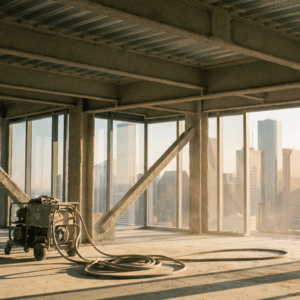
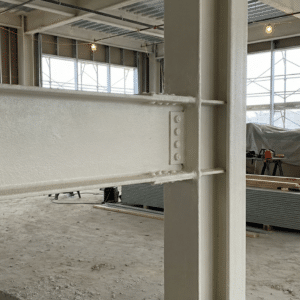
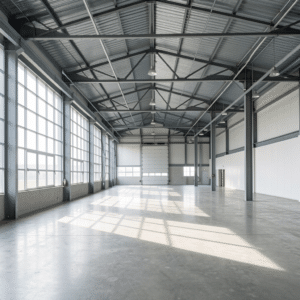
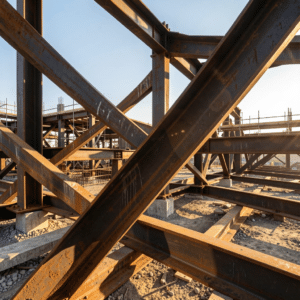
Modern architecture features exposed structural steel as a design element. Office lobbies showcase steel columns and beams. Restaurant interiors celebrate industrial aesthetics with visible structure. High-rise atriums display steel frameworks that define spaces. These designs create a problem: building codes require fire protection for structural steel, but traditional spray-applied fireproofing produces rough, textured surfaces suitable only for concealed applications above ceilings.
Intumescent fireproofing solves this conflict. The coating appears as a standard painted finish at room temperature, maintaining clean architectural lines and allowing steel to remain exposed. When fire occurs, chemistry takes over. Above 200°C, the coating expands to create thick insulating foam that hardens into protective char, keeping steel below critical failure temperatures for the rated duration.
International Building Code requirements mandate fire-resistance ratings for structural steel based on building type, height, and occupancy. Intumescent coatings meet these requirements while preserving the architectural intent that makes exposed steel valuable to designers and building owners.
How Intumescent Fireproofing Chemistry Works
Intumescent fire-resistive materials consist of complex chemicals suspended in a resin binder, typically acrylic, alkyd, or epoxy. At room temperature, these chemicals remain inert within the dried coating. The coating functions as a decorative finish with thickness ranging from 0.03 to 0.50 inches depending on the required fire rating and steel section size.
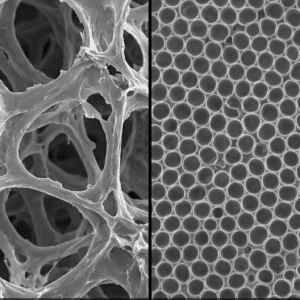
When exposed to fire temperatures above 200°C (392°F), the binder melts and triggers rapid chemical reactions. The coating expands 10 to 50 times its original thickness, forming thick flame-resistant foam. This foam hardens into a highly insulative char layer that creates a thermal barrier between fire and steel substrate.
Steel loses approximately 50% of its structural strength at 550°C (1022°F). Without protection, structural steel reaches this critical temperature within minutes during building fires. The expanded char from intumescent fireproofing prevents heat transfer, maintaining steel temperatures below failure points for durations ranging from 30 minutes to 4 hours depending on the system design.
This reactive protection differs fundamentally from spray-applied cementitious fireproofing, which provides constant insulation through mass and thickness. Intumescent coatings remain thin and unobtrusive until needed, then expand on demand during fire events.
Types of Intumescent Fireproofing Systems
Intumescent coatings fall into three categories based on binder chemistry. Water-based systems use acrylic resins with low VOC content, producing smooth finishes ideal for interior commercial spaces but sensitive to moisture. Solvent-based coatings incorporate alkyd resins that dry faster and resist weather exposure, suitable for semi-exposed conditions and field applications. Epoxy-based formulations deliver maximum durability with excellent hydrocarbon fire resistance for offshore platforms and petrochemical facilities. Material costs range from $4 to $12 per square foot installed depending on formulation type, required fire rating, and steel section geometry.
Fire Testing Standards and Rating Requirements
ASTM E119 fire endurance testing measures how long intumescent coatings protect structural steel during standardized fire exposure. Test assemblies experience controlled temperature curves that simulate building fire conditions while instruments monitor steel temperatures. The coating maintains its fire rating as long as steel temperatures remain below critical thresholds, typically 550°C where structural failure becomes imminent.
Fire ratings range from 30 minutes to 4 hours depending on coating formulation, applied thickness, and steel section geometry. Thin-film systems typically achieve 30-minute to 2-hour ratings suitable for commercial buildings. Thick-film industrial formulations reach 3 to 4-hour ratings required for high-risk facilities like refineries and chemical plants.
The rating depends on multiple factors working together. Larger steel sections with more mass relative to heated surface area require less coating thickness than smaller sections for equivalent protection. Manufacturers provide detailed tables showing required dry film thickness for specific W-beam and column sizes, and these specifications cannot be extrapolated to untested section sizes without additional testing.
ASTM E84 surface burning characteristics testing measures flame spread and smoke development. Most intumescent coatings achieve Class A ratings with flame spread 0 to 25, meeting requirements for commercial building interior finishes. UL certification verifies both fire performance and environmental durability through accelerated aging tests including humidity exposure, salt spray, UV radiation, freeze-thaw cycles, and simulated rain.
Surface Preparation and Primer Compatibility
Intumescent fireproofing demands rigorous surface preparation beyond standard painting requirements. Steel substrates must be blasted to SSPC-SP 10 (Near-White Metal Blast) standard, achieving 95% clean bare metal with complete removal of oil, grease, dirt, rust, mill scale, and old oxidized coatings. Substrate temperature must remain above dew point during application to prevent condensation, and relative humidity must stay below 80% for proper cure.
Compatible primer systems are critical for fire performance, serving as corrosion protection, adhesion base, and foundation ensuring carbon char remains bonded during fire events. Approved primers include acrylic, alkyd, and two-component epoxy systems. Manufacturer consultation is mandatory before applying intumescent fireproofing over existing coatings, as zinc-rich primers and galvanized steel require special tie coats or barrier treatments to prevent adhesion failures.
Shop-Applied vs. Field-Applied Installation
Shop application of intumescent fireproofing occurs in controlled fabrication facilities before steel reaches construction sites. Steel is blasted to specification, primed, then receives intumescent basecoat and topcoat before shipping. Controlled environments eliminate weather delays, prevent dust contamination, improve quality control through better access and inspection, and compress project schedules by removing fireproofing from the construction critical path. Shop-applied systems produce superior aesthetic finishes and suit high-profile projects requiring both fire protection and design quality for exposed structural steel.
Field application occurs after steel erection, with coating applied on-site. This method suits renovation projects, accommodates field modifications, and allows coating of complex connections after assembly. Weather sensitivity, site contamination, longer project duration, and more difficult quality control represent trade-offs compared to shop application.
Inspection, Testing, and Maintenance Requirements
During application, wet film thickness gauges verify proper coating rates, with visual inspection confirming uniform coverage. After full cure (typically 14 to 28 days), dry film thickness testing using calibrated gauges confirms compliance with manufacturer specifications. Mean dry film thickness must equal or exceed specified nominal thickness, with minimum individual readings at least 80% of nominal values. Ongoing maintenance requires visual inspections every 1 to 2 years examining coatings for cracks, chips, peeling, or impact damage. Damaged areas exceeding 150 square millimeters require immediate repair using compatible materials following manufacturer installation instructions. Expected service life ranges from 10 to 25 years depending on environmental exposure.
Key Takeaways
- Intumescent fireproofing expands 10 to 50 times original thickness when exposed to fire, creating insulating char that protects structural steel while maintaining smooth architectural finishes suitable for exposed applications
- Water-based formulations suit interior commercial spaces, while solvent-based and epoxy systems handle harsh industrial environments, with installed costs ranging $4 to $12 per square foot
- Fire ratings from 30 minutes to 4 hours require UL certification demonstrating both fire performance and environmental durability through ASTM E119 and accelerated aging tests
- Shop-applied systems deliver superior quality through controlled environments compared to field application subject to weather and site contamination
- Surface preparation to SSPC-SP 10 standard and compatible primer systems are mandatory, with zinc-rich primers requiring special treatment before intumescent application
- Visual inspection every 1 to 2 years identifies damage requiring repair, with expected service life of 10 to 25 years depending on environmental exposure
Protecting Steel Without Hiding It
Fire protection and architectural design don’t have to conflict. Intumescent coatings provide code-compliant fire resistance while preserving the visual character that makes exposed structural steel valuable in modern commercial buildings. The chemistry works invisibly until needed, then responds exactly when fire threatens structural integrity.
If your project features exposed structural steel requiring fire protection without compromising design intent, contact Bahl Fireproofing today to discuss intumescent coating systems, application methods, and project scheduling that deliver both safety and aesthetics.
Disclaimer: This article provides general educational information about fireproofing and insulation systems and does not constitute professional engineering advice or product specification. System selection must be based on project-specific fire ratings, thermal requirements, acoustic performance needs, environmental conditions, substrate requirements, and budget constraints. Code requirements vary by jurisdiction and project type. Always consult with a licensed professional and verify UL or FM assembly listings before finalizing specifications.