Intumescent Fireproofing for Data Centers: Thin-Film Protection for Critical Infrastructure
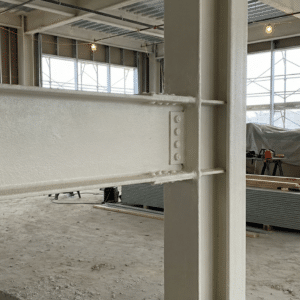
Intumescent fireproofing for data centers provides thin-film protection where space constraints and operational requirements limit traditional spray-applied fire-resistive materials application. Data center structural steel supporting equipment loads up to 240 pounds per square foot requires fire protection, maintaining accessibility for mechanical systems, cable pathways, and future modifications while achieving ASTM E119 fire-resistance ratings from one to four hours. Intumescent coatings expand 50 to 100 times original thickness when exposed to fire at 300 to 400 degrees Fahrenheit trigger temperature creating insulating char layer protecting steel from reaching critical failure temperature of 1000 to 1200 degrees Fahrenheit. Application thickness ranging from few millimeters to 25 millimeters enables fireproofing in tight spaces including raised floor structures, ceiling plenums, and mechanical rooms where bulky spray-applied materials prove impractical.
TLDR: Intumescent fireproofing protects data center structural steel in tight spaces including raised floor systems supporting server equipment while minimizing operational disruption through fast-drying water-based formulations. Intumescent fireproofing delivers smooth architectural finish maintaining clean environment essential for sensitive electronic equipment while achieving fire-resistance ratings one to four hours per ASTM E119. Weight-to-heated-perimeter ratio determines required coating thickness verified through UL-listed assemblies preventing unsafe extrapolation beyond tested configurations. Intumescent coatings provide passive fire protection but do not replace fire suppression systems required by NFPA 75 including building-level sprinklers, room-level clean agent suppression, and rack-level targeted protection.
Thin-Film Application for Tight Spaces
Data center structural steel often exists in confined areas including ceiling plenums, mechanical chases, and cable management pathways. Traditional spray-applied fire-resistive materials require one to two inches or more thickness creating dimensional conflicts with mechanical systems. Intumescent coatings apply as thin films ranging from few millimeters to 25 millimeters maintaining existing clearances.
Thin-film application preserves design flexibility enabling future modifications without removing bulky fireproofing materials. Mechanical contractors maintain full access to structural connections for equipment mounting and system expansions. Smooth coating surface prevents dust accumulation and particulate shedding that spray-applied materials generate.
Three intumescent types serve different applications. Water-based formulations cost $350 to $550 per five-gallon pail providing smoothest finish with 24-hour drying time. Solvent-based products enable faster drying for semi-exposed environments. Epoxy intumescent coatings deliver most durable protection with one to two day total application cycle from primer to topcoat completion, suitable for hydrocarbon fire exposure rated to UL 1709 standards.
Protecting Steel Under Raised Floors
Raised floor systems elevate server equipment 1.5 feet above structural slab creating plenum space for HVAC supply air distribution and underfloor cable management. Structural steel grid supporting raised floor panels carries concentrated equipment loads while maintaining NFPA 75 fire suppression system access requirements. Steel members within raised floor plenum require fire protection maintaining structural integrity preventing floor collapse and equipment loss.
Equipment loads in data centers reach 240 pounds per square foot approximately 60 percent higher than ASCE minimum design standards. Heavy server racks and power distribution infrastructure concentrate loads on structural steel requiring proper fire protection verified through licensed structural engineer calculations. Steel failure during fire exposure causes catastrophic equipment loss and extended downtime.
NFPA 75 requires automatic fire suppression systems below raised floors where combustible materials including cables and equipment create fire load. Intumescent coatings on steel members complement suppression systems providing passive fire protection maintaining structural capacity. Three levels of fire protection work together including building-level passive fireproofing and active sprinklers, room-level clean agent suppression, and rack-level automatic suppression per NFPA 75 data center fire protection standards.
Fast-Drying for Minimal Downtime
Data center operations continue 24 hours daily requiring construction activities minimizing disruption to active equipment. Water-based intumescent coatings provide low odor and minimal volatile organic compound emissions enabling application in occupied facilities without triggering smoke detection systems or requiring equipment shutdown. Fast-drying formulations reduce project duration supporting phased construction maintaining operational capacity.
Water-based products typically require 24 hours drying time between coats with total application cycles spanning three to five days for multi-coat systems. Solvent-based formulations enable faster drying with some products achieving 30-minute recoat times. Application scheduling coordinates with operational requirements targeting lower-utilization periods or planned maintenance windows.
Environmental conditions affect drying performance requiring temperature between 50 to 90 degrees Fahrenheit and relative humidity below 85 percent. Weather delays common in unconditioned spaces require schedule contingencies. Temporary climate control through supplemental heating or dehumidification maintains proper curing conditions ensuring coating performance per intumescent coating application requirements.
Maintaining Clean Environment
Data center environments demand clean conditions preventing particulate contamination that compromises electronic equipment reliability. Intumescent coatings apply as smooth architectural finish creating non-shedding surface unlike spray-applied fire-resistive materials generating dust and particulate. Smooth surface enables efficient cleaning supporting facility cleanliness standards while maintaining fire protection integrity.
Application process generates minimal overspray compared to spray-applied cementitious materials requiring extensive masking. Controlled application through airless spray equipment or roller application contains material to target surfaces. Phased installation sequences isolate work zones from operational spaces through temporary barriers.
Post-application inspection verifies proper dry film thickness across protected steel surfaces confirming compliance with UL-listed assembly specifications. Non-destructive thickness measurement using electromagnetic or ultrasonic gauges validates coverage. Visual inspection identifies any gaps requiring correction before final acceptance ensuring complete fire protection meeting code requirements.
Fire Ratings and W/D Ratio Requirements
Fire-resistance ratings from one to four hours determined through ASTM E119 testing evaluate complete assembly performance including steel section, coating system, and application thickness. Weight-to-heated-perimeter ratio calculates steel section mass divided by exposed surface area determining required coating thickness. Lower W/D ratios representing lightweight steel sections require thicker coating applications while heavier sections achieve ratings with thinner coatings.
UL Fire Resistance Directory lists approved assemblies specifying exact coating products, steel configurations, and required thicknesses. Licensed fire protection engineer selects appropriate assembly matching data center structural design. Extrapolating coating thickness beyond UL-listed assemblies creates unsafe conditions potentially failing during fire exposure per ASTM E119 fire-resistance testing standards.
Critical steel temperature of 1000 to 1200 degrees Fahrenheit represents failure point where steel loses structural capacity. Intumescent coating triggers at 300 to 400 degrees Fahrenheit expanding to create char layer insulating steel from fire exposure exceeding 1800 degrees Fahrenheit. Char layer thickness ranging from 50 to 100 times original coating thickness provides thermal resistance maintaining steel temperature below critical failure point. Bahl Fireproofing applies intumescent coatings meeting data center fire protection requirements throughout Texas, Kansas, and Oklahoma facilities.
Key Takeaways
- Intumescent coatings apply as thin films from few millimeters to 25 millimeters enabling fire protection in tight spaces where spray-applied materials prove impractical
- Data center equipment loads reach 240 pounds per square foot requiring structural steel fire protection maintaining capacity during fire exposure
- Raised floor systems elevate equipment 1.5 feet above slab with steel grid members requiring intumescent protection complementing NFPA 75 suppression systems
- Water-based formulations provide low odor and fast drying minimizing operational disruption with 24-hour recoat times supporting phased construction
- Smooth architectural finish creates non-shedding surface preventing particulate contamination compromising electronic equipment reliability
- Weight-to-heated-perimeter ratio determines required coating thickness verified through UL-listed assemblies preventing unsafe extrapolation beyond tested configurations
- Fire-resistance ratings one to four hours per ASTM E119 protect steel from reaching critical failure temperature of 1000 to 1200 degrees Fahrenheit
If your data center requires thin-film fire protection maintaining tight space clearances while minimizing operational disruption during application, our team applies intumescent coatings meeting fire-resistance requirements. Contact Bahl Fireproofing to discuss intumescent fireproofing supporting structural protection and operational continuity.
Disclaimer: This article provides general educational information about intumescent fireproofing for data centers and does not constitute professional fire protection engineering advice or structural design certification. Intumescent coatings provide passive fire protection achieving fire-resistance ratings one to four hours per ASTM E119 but do not replace fire suppression systems required by NFPA 75. ASTM E119 measures fire-resistance rating for structural assemblies while ASTM E84 measures surface burning characteristics representing different fire protection requirements. Licensed fire protection engineer must determine fire-rated construction requirements and fire suppression system specifications based on data center risk assessment. Data centers require three levels of fire protection including building-level passive fireproofing and active sprinklers, room-level clean agent suppression, and rack-level automatic suppression. Weight-to-heated-perimeter ratio determines required intumescent coating thickness verified through UL-listed assemblies. Extrapolating coating thickness beyond UL-listed assemblies creates unsafe conditions potentially failing during fire exposure. Product substitution invalidates assembly rating requiring verification of complete tested system. Equipment loads up to 240 pounds per square foot require structural steel designed for concentrated loads with appropriate fire protection. Application requires temperature 50 to 90 degrees Fahrenheit and relative humidity below 85 percent with weather delays common in unconditioned spaces. Surface preparation through blast cleaning and approved primer application critical to coating adhesion. Cost varies by fire rating, steel section configuration, application area, coating type, and project accessibility. Always consult licensed fire protection engineer and structural engineer to verify code requirements, UL assembly selection, and installation specifications.