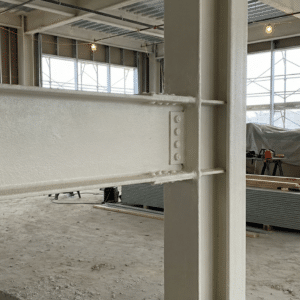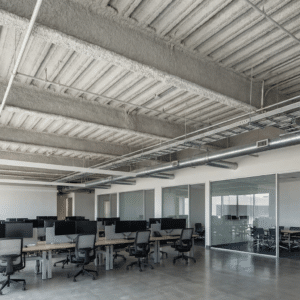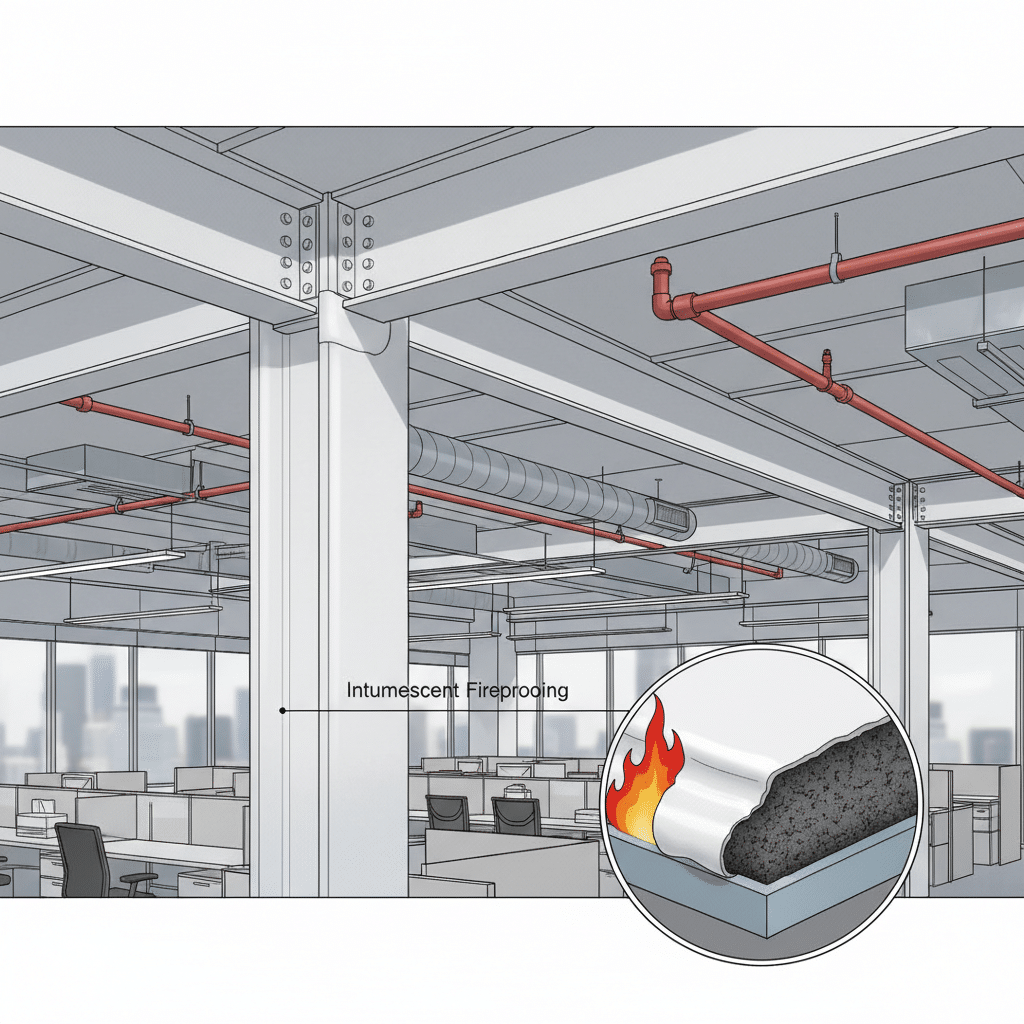
You installed intumescent fireproofing on your facility’s exposed steel beams five years ago. Now you have a building inspection notice on your desk. Does that coating still protect you? Will you need to replace it?
These questions matter for three big reasons: safety, code compliance, and liability. A coating that fails during a fire puts people at risk. A coating that fails an inspection creates costly delays. Understanding your intumescent fireproofing lifespan helps you plan maintenance, avoid costly surprises, and keep your building compliant. Let’s look at how long these coatings really last and what affects their service life.
TLDR
- Intumescent fireproofing lifespan typically ranges from 10 to 20 years with proper application and maintenance
- Indoor installations last longer (15 to 20 years) than outdoor or semi-exposed areas (12 to 18 years)
- Topcoats add 5 or more years to outdoor installations by blocking UV and moisture
- Inspect every 2 to 3 years and address peeling, blistering, or rust immediately
- A $1,000 touch-up at year 10 prevents a $30,000 emergency replacement at year 18
The Short Answer
Here’s what you need to know about intumescent fireproofing lifespan:
- Intumescent coatings typically last 10 to 20 years when properly applied and maintained
- Lifespan varies based on environment, application quality, and maintenance
- Indoor installations usually last longer than outdoor or semi-exposed areas
- Regular inspections every 2 to 3 years help catch problems early
- Warning signs include peeling, blistering, chalking, or visible damage
What’s the Typical Lifespan?
The intumescent fireproofing lifespan generally falls between 10 and 20 years. Manufacturer data and industry standards support this range for properly applied systems. But where does your installation fall within that intumescent fireproofing lifespan range?
Water-based systems typically last 10 to 15 years indoors. These coatings work well for occupied buildings because of their low odor but are more sensitive to humidity. They represent good intumescent fireproofing lifespan value for controlled environments.
Solvent-based systems typically last 15 to 20 years, especially with a topcoat. These offer better moisture resistance for semi-exposed areas and extend intumescent fireproofing lifespan in challenging conditions.
Epoxy-based systems commonly reach 20 or more years in harsh conditions with proper maintenance. These industrial-grade coatings offer the longest intumescent fireproofing lifespan for demanding environments.
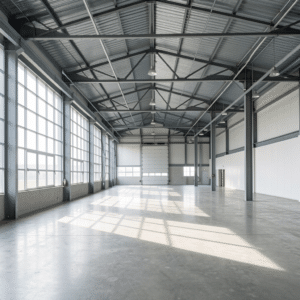
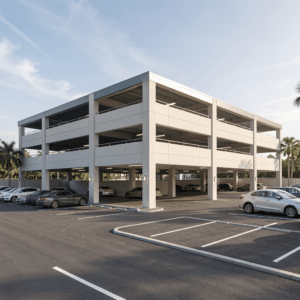
Think of intumescent fireproofing lifespan like a car’s paint job. A car parked in a garage lasts longer than one parked outside. A factory floor with stable temperature often reaches full 20-year life. A parking garage with UV exposure may need touch-ups at 8 to 12 years.
According to key considerations in intumescent coating durability, proper system selection directly impacts how long these coatings protect your steel.
What Affects Intumescent Fireproofing Lifespan?
Five key factors determine your intumescent fireproofing lifespan.
Environment and Exposure
Where your steel sits matters most for intumescent fireproofing lifespan. Interior, climate-controlled spaces see 15 to 20 years of service life. Stable temperatures, controlled humidity, and minimal UV exposure keep coatings healthy for the full intumescent fireproofing lifespan.
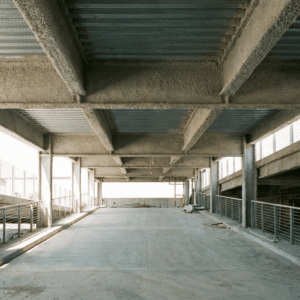
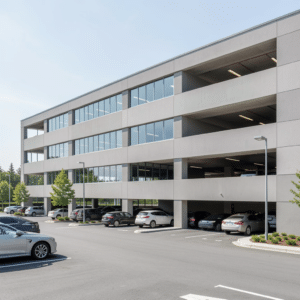
Semi-exposed areas like parking garages or covered docks typically get 12 to 18 years. These spaces face moderate challenges from temperature swings and humidity.
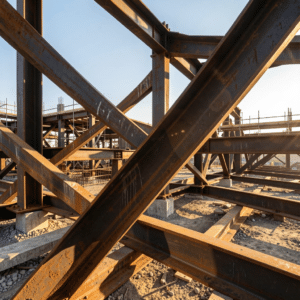
Fully exposed exterior steel sees 8 to 12 years. UV rays, rain, and freeze-thaw cycles cause the fastest damage. High-humidity areas like the Texas Gulf Coast face even more stress from moisture infiltration.
Moisture and UV light are the biggest enemies of intumescent coatings.
Application Quality
Professional application equals longer intumescent fireproofing lifespan. Proper installation follows exact dry film thickness specifications. Poor shortcuts lead to premature failure at 5 to 8 years instead of 15 to 20.
For intumescent fireproofing solutions that meet strict specifications, experienced applicators understand how thickness affects performance.
Coating Type and Formulation
Your coating chemistry affects intumescent fireproofing lifespan significantly. Water-based coatings offer 10 to 15 years indoors. Solvent-based coatings provide 15 to 20 years with a topcoat. Epoxy-based coatings commonly reach 20 or more years. Adding a topcoat can add 5 or more years to any system.
Maintenance and Care
Neglected coatings degrade faster. Regular cleaning extends intumescent fireproofing lifespan. Touch-ups of minor damage prevent bigger problems. Maintenance is the difference between 15 years and 20 years.
Chemical and Mechanical Exposure
Industrial environments bring unique challenges. Aggressive chemicals can attack coating surfaces. Mechanical damage exposes underlying steel. Some systems begin to degrade at 140°F or higher, even without fire.
How Location Impacts Intumescent Fireproofing Lifespan
Where you install intumescent fireproofing changes the expected intumescent fireproofing lifespan dramatically.
| Factor | Indoor Installation | Outdoor/Semi-Exposed | Impact on Life |
|---|---|---|---|
| UV Exposure | Minimal | High | Indoor +5 years |
| Temperature Swings | Stable (70°F) | Extreme (-20°F to 110°F) | Outdoor shortens life |
| Moisture and Humidity | Controlled | Variable; rain, dew | Outdoor needs topcoat |
| Typical Lifespan | 15 to 20 years | 12 to 18 years | 3 to 8 year difference |
| Topcoat Needed? | Optional | Required | Adds 5+ years |
Indoor coatings face stable temperatures, controlled humidity, and no UV rays. The result is typically 15 to 20 years of intumescent fireproofing lifespan.
Outdoor coatings face UV radiation, temperature swings, and moisture infiltration. The result is typically 12 to 18 years with touch-ups needed at 10 years.
The solution? Use a topcoat to seal out moisture and UV, adding 5 or more years to outdoor installations.
Inspection Schedule and Warning Signs
Regular inspections extend intumescent fireproofing lifespan by catching problems early. The ASTM E119 fire testing standard establishes the baseline performance your coating must maintain.
| Time Period | Action | What to Look For |
|---|---|---|
| After application | Visual inspection; verify thickness | Baseline documentation |
| Year 1 to 2 | Quick visual check | Early installation defects |
| Year 2 to 5 | Annual walkthrough | Damage or degradation |
| Year 5+ | Formal inspection every 2 to 3 years | Plan maintenance or replacement |
| After any damage | Inspect immediately | Prevent water infiltration |
Eight Warning Signs
Watch for these signs that affect your intumescent fireproofing lifespan:
- Peeling or Flaking – Fix before water gets under it
- Blistering – Trapped moisture; will spread
- Chalking – Dusty surface signals UV damage
- Cracking – Coating losing flexibility
- Color Fading – Signals aging
- Visible Rust – Fire protection compromised
- Physical Damage – Steel exposed
- Discoloration – Chemical or moisture issues
What should you do when you spot these problems? Small scratches need touch-ups with the original product. Peeling areas under 1 square foot require removing loose material and repainting with 2 coats. Widespread damage covering 20% or more of the area needs professional assessment. Rust showing through requires immediate repair.
For detailed guidance on intumescent paint maintenance and inspection, document everything and address problems quickly.
Maintenance and Touch-Up vs Full Replacement
When to Touch Up
Touch-ups make sense when damage covers under 10% of the area, the coating is under 15 years old, and most areas remain intact. Typical cost: $500 to $2,000.
When to Replace
Full replacement is needed when the coating is 18 to 20 years old with widespread wear, more than 20 to 30% of the surface is damaged, or fire performance is compromised. Typical cost: $5,000 to $25,000 or more.
Cost Timeline (5,000 sq ft Semi-Outdoor)
- Year 0: Initial application = $20,000 to $40,000
- Year 5: Inspection + touch-ups = $500 to $2,000
- Year 10: Partial recoating = $3,000 to $8,000
- Year 15: Topcoat renewal = $10,000 to $25,000
- Year 20: Full replacement = $20,000 to $40,000
A $1,000 touch-up at year 10 prevents a $30,000 emergency replacement at year 18.
Key Takeaways
- Typical intumescent fireproofing lifespan: 10 to 20 years when properly applied
- Location matters: Indoor lasts longer; use topcoats for outdoor areas
- Application quality adds years: Professional installation can add 5 or more years
- Inspect every 2 to 3 years: Catch problems early
- Touch-ups save money: Small repairs prevent big replacements
- After 15 to 18 years, start planning: Budget for replacement before failure
Contact Us Today
If your facility has intumescent fireproofing that’s getting close to its warranty expiration, or if you’re seeing signs of wear, don’t wait. A professional inspection now can tell you exactly what you need.
At Bahl Fireproofing, we’ve inspected hundreds of systems throughout Texas, Kansas, and Oklahoma. We know what to look for, and we can help you plan maintenance that keeps your building safe without unnecessary expense.
Contact Bahl Fireproofing today to schedule a free inspection or request a bid for maintenance or recoating work.
This article provides general educational information about fireproofing and insulation systems and does not constitute professional engineering advice or product specification. System selection must be based on project-specific fire ratings, thermal requirements, acoustic performance needs, environmental conditions, substrate requirements, and budget constraints. Code requirements vary by jurisdiction and project type. Always consult with a licensed professional and verify UL or FM assembly listings before finalizing specifications.