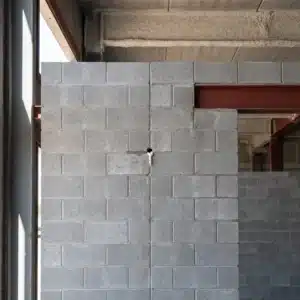
Data Center Fireproofing is needed, why? Data centers represent backbone of digital economy requiring continuous 24/7 operations protecting equipment investments representing 57 percent of total facility cost. Building new data center takes one to three years unlike traditional buildings where occupants evacuate during emergencies. Server rack loads reach 5,000 pounds for AI infrastructure and 2,500 pounds for standard configurations creating concentrated loads on structural steel framing requiring proper fire protection. Dense electrical components, high heat density, extensive cabling, and lithium-ion battery systems increase rapid fire spread risks threatening operational continuity and equipment survival.
TLDR: Data center fireproofing protects structural steel supporting heavy server rack loads while maintaining 24/7 operations during phased construction. NFPA 75 requires minimum 1-hour fire-resistant separation between IT equipment rooms with up to 4-hour ratings based on risk assessment by licensed fire protection engineer. Structural steel fireproofing provides passive fire protection at building level while room-level and rack-level active suppression systems protect equipment from fire damage. Water-based suppression causes irreparable damage to servers and networking equipment requiring clean agent or inert gas alternatives.
Protecting Steel Supporting Heavy Equipment Loads
AI server rack enclosures weigh 5,000 pounds stationary supporting next-generation computing infrastructure. Standard server cabinets weigh 2,500 pounds fully loaded while open frame 4-post racks support 10,000 pounds static load. Seismic Zone 4 installations require 2,500 pounds load rating with 750 pounds seismic certification. Steel construction offers superior fire resistance maintaining structural strength at high temperatures protecting concentrated equipment loads.
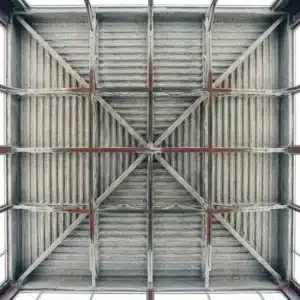
Structural steel framing distributes heavy server rack loads across building structure preventing localized failure during fire emergencies. Steel members maintain load-carrying capacity longer than alternative materials providing additional time for suppression system activation per International Building Code structural design requirements.
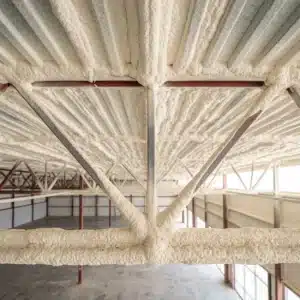
Fire protection systems must accommodate 24/7 accessibility and minimal disruption during installation. Spray-applied fire-resistive materials provide cost-effective protection for concealed steel in mechanical spaces. Intumescent coatings offer aesthetic finish for exposed structural steel where architectural appearance supports facility presentation.
Rapid Fire Spread Prevention in Dense Electrical Environments
Dense electrical components including server racks, power distribution units, and cable management systems increase fire hazards beyond typical commercial occupancies. Modern server racks generate extreme heat density creating localized ignition potential when cooling systems fail. Extensive cabling throughout raised floor plenums and overhead cable trays provides fuel load and fire spread pathways.
Lithium-ion battery systems in uninterruptible power supplies present rapid fire spread risks with documented incidents showing fast flame propagation. Equipment represents 57 percent of entire data center cost making fire protection essential for business continuity. Single server rack containing mission-critical applications justifies comprehensive fire protection protecting millions of dollars in hardware.
Building-level fire protection includes automatic sprinkler systems and portable fire extinguishers at one per 3,000 square feet. Room-level protection deploys pre-action sprinkler systems and clean agent gas suppression protecting IT equipment without water damage. Rack-level pre-engineered suppression systems target individual cabinets containing highest-value equipment requiring fastest response time.
Maintaining Uptime During Phased Construction
Data center facilities often expand through phased construction adding capacity while maintaining existing operations. Tier I facilities target 99.671 percent uptime allowing 28.8 hours annual downtime while Tier IV installations achieve 99.995 percent uptime limiting outages to 26.3 minutes yearly. Phased occupancy plans demonstrate compliance including separation between occupied and unoccupied areas, emergency egress paths, and building fire protection systems.
Construction phasing must address fire-resistant separation barriers between operational and construction zones preventing fire spread affecting active equipment rooms. GDS Holdings executed four build-to-suit data centers over six years using phased approach maintaining existing operations while adding capacity incrementally. Each phase required temporary fire barriers, independent egress paths, and isolated suppression systems.
Licensed fire protection engineer evaluates construction sequencing and permanent system integration ensuring continuous code compliance. Fire-rated barriers separating construction from operations must maintain integrity during penetrations for utilities and cable pathways. Bahl Fireproofing serves data center operators across Texas, Oklahoma, Kansas, Nebraska, Minnesota, and Wisconsin requiring phased construction fireproofing solutions.
NFPA 75 Fire Protection Requirements for IT Equipment Rooms
NFPA 75 Standard for Protection of IT Equipment establishes minimum 1-hour fire-resistant-rated construction separating IT equipment rooms with some jurisdictions requiring up to 4-hour ratings based on equipment value and operational criticality. Door openings require 3/4-hour fire-resistance-rated assemblies with automatic closing mechanisms. All penetrations through fire-rated barriers must include proper firestopping materials achieving UL classification matching barrier rating.
Risk assessment determines appropriate fire protection level considering equipment replacement cost, business interruption exposure, and regulatory compliance. Three levels of fire protection work together: building-level passive construction and active sprinkler systems, room-level pre-action or clean agent suppression, and rack-level targeted protection. Licensed fire protection engineer performs risk assessment documenting equipment inventory and recommended protection systems per NFPA 75 data center fire protection standards.
Clean agent suppression systems deploy inert gases or chemical agents extinguishing fires without water damage to electronic equipment. Pre-action sprinkler systems require two independent activation events before water discharge. Water-based suppression causes irreparable damage to servers making clean agent alternatives essential.
Tier Classification and Operational Constraints
Tier II facilities achieve 99.741 percent uptime approximately 22 hours annual downtime supporting standard enterprise applications. Tier III installations reach 99.982 percent uptime limiting outages to 1.6 hours yearly through redundant capacity components. Tier IV represents highest reliability at 99.995 percent uptime allowing only 26.3 minutes annual downtime requiring fully fault-tolerant systems and 24×7 qualified personnel per data center tier classification standards.
Human error causes 70 to 80 percent of data center outages making operational procedures and staff training critical beyond equipment redundancy. Tier III and Tier IV facilities require 24×7 qualified personnel monitoring systems and responding to alarms. Fire protection systems must integrate with building management platforms providing real-time status monitoring.
Construction and maintenance activities require careful planning minimizing disruption while maintaining required uptime levels. Fire protection system testing and maintenance must occur during scheduled windows with redundant coverage. Contractor access controls and hot work permits prevent activities from triggering false alarms or compromising suppression systems.
Fire-Rated Construction and Containment Zones
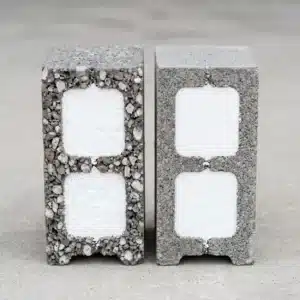
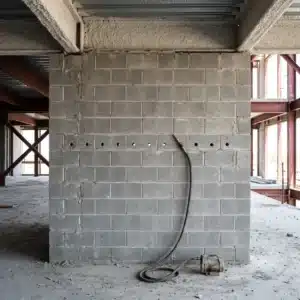
Fire-rated construction creates containment zones limiting fire spread and protecting structural steel during fire exposure. Two-hour fire-resistance-rated assemblies separate major equipment rooms from building core preventing fire from reaching IT equipment. Penetrations for cable pathways and HVAC ducts require firestop systems maintaining barrier integrity.
Passive fire protection systems work continuously without activation providing reliable baseline protection. Spray-applied fire-resistive materials protect structural steel in concealed locations while intumescent coatings serve exposed steel requiring finished appearance. Fire barrier walls extend from floor slab to underside of floor or roof deck preventing fire spread through ceiling plenum spaces.
Compartmentalization strategy divides facility into fire zones limiting maximum loss from single event. Each zone receives independent smoke detection, suppression coverage, and egress access preventing total facility loss. Zone boundaries align with equipment distribution enabling rapid isolation of affected areas while maintaining operations in unaffected zones.
Key Takeaways
- Data centers require 24/7 operations protecting equipment representing 57 percent of total facility cost with building timelines of 1 to 3 years
- AI server racks weigh 5,000 pounds while standard configurations reach 2,500 pounds requiring structural steel designed for concentrated loads with proper fire protection
- Dense electrical components, high heat density, extensive cabling, and lithium-ion batteries increase rapid fire spread risks in data center environments
- Tier I through Tier IV classifications establish uptime requirements from 99.671 to 99.995 percent with human error causing 70 to 80 percent of outages
- NFPA 75 requires minimum 1-hour fire-resistant separation between IT equipment rooms with up to 4-hour ratings based on documented risk assessment
- Three levels of fire protection work together including building-level passive and active systems, room-level clean agent suppression, and rack-level targeted protection
- Water-based suppression causes irreparable damage to servers and networking equipment requiring clean agent or inert gas alternatives for IT equipment protection
If your data center requires fire protection supporting heavy equipment loads while maintaining operational uptime during phased construction, our team specifies and installs systems meeting NFPA 75 requirements. Contact Bahl Fireproofing to discuss data center fireproofing before design decisions affect structural protection and equipment safety.
Disclaimer: This article provides general educational information about data center fireproofing and does not constitute professional fire protection engineering advice or code compliance certification. Fire-resistance requirements vary by jurisdiction, equipment value, operational criticality, and risk assessment per NFPA 75. Data center fire protection requires three levels of defense including building-level passive construction and active sprinkler systems, room-level pre-action or clean agent suppression, and rack-level targeted protection. Licensed fire protection engineer must perform documented risk assessment determining appropriate fire ratings and suppression systems based on equipment inventory and business continuity requirements. Minimum 1-hour fire-resistant separation required between IT equipment rooms with some jurisdictions mandating up to 4-hour ratings. Door openings require 3/4-hour fire-resistance-rated assemblies. All penetrations must include proper firestopping achieving UL classification matching barrier rating. Water-based suppression causes irreparable damage to servers requiring clean agent or inert gas alternatives. Phased construction requires separation between occupied and unoccupied areas and temporary fire barriers. Server rack loads of 2,500 to 5,000 pounds require structural steel designed for concentrated loads. Tier III and Tier IV facilities require 24×7 qualified personnel as human error causes 70 to 80 percent of outages. Cost estimates vary by Tier classification, equipment value, fire protection level, and construction phasing. Always consult licensed fire protection engineer and structural engineer to verify code requirements and system specifications.